
Hospitality Group Roofing in Murrieta, CA
Plan roof inspections and repairs for hotels and hospitality properties with guest-area protection, access coordination, and location-specific records.
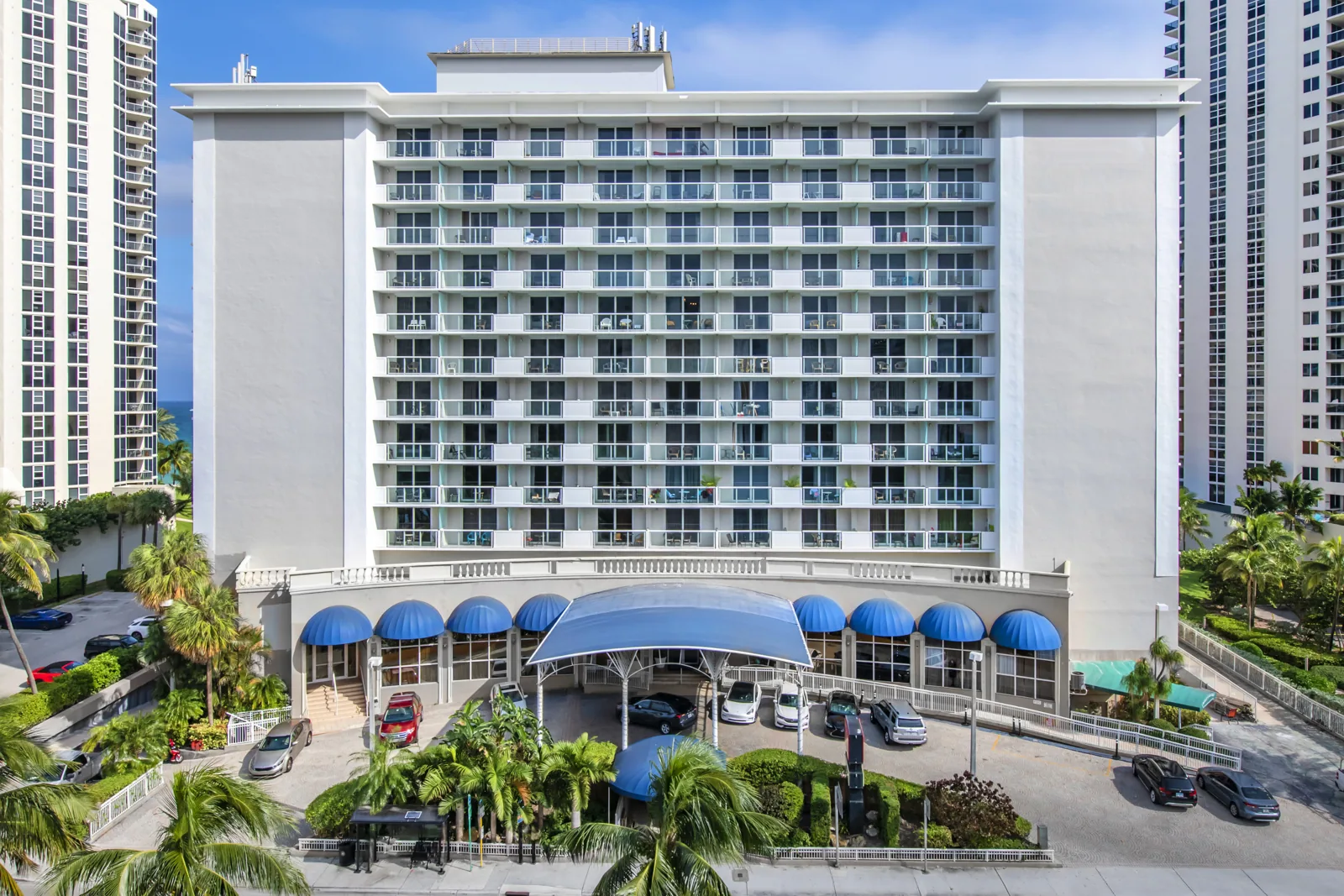
A guest may report a ceiling drip while housekeeping is turning a room, or maintenance may spot ponding before it reaches an occupied space. The next decision depends on the roof section, not the property label. We document where the issue appeared, trace the roof details above it, and note any access limits that affect the visit. A commercial roof inspection can give a hospitality operator a clear repair boundary and a practical plan for protecting the guest path below.
Property Notes: Keep Guest Areas in View
For each hotel or hospitality property, record the affected room, floor or wing, reported time, roof access, and the staff contact who can coordinate work. A guest corridor, lobby, meeting room, kitchen, laundry area, and service space may carry different access needs. We ask which areas must stay open, what can be temporarily rerouted, and whether a room needs to be taken out of service. That information shapes the roof review and the work notice.
A group can use a consistent inspection record across properties, but each roof still needs its own assembly and repair history. Track seams, drains, curbs, wall transitions, equipment, edge details, and prior patches at the property where they occur. Temecula’s Old Town district extends roughly one mile from north to south. That identifies a real local district; it does not establish a lodging inventory or a condition at any individual property. A hotel roof inspection should be based on the building's actual details and operating plan.
Guest Report: Trace the Water Path
We begin with the reported room or public area, the timing, the visible mark, and any items that need protection. On the roof, we check the nearest seams, penetrations, curbs, wall connections, and drains. Water may travel within an assembly before appearing indoors, so the ceiling location does not prove the entry point. The notes explain what was observed and what remains uncertain, including whether targeted moisture testing would change the repair choice.
Hospitality roofs may include several equipment curbs and service routes. If kitchen exhaust, refrigeration, or ventilation equipment needs another trade, record that handoff before opening flashing around it. A curb and flashing review should identify the connection inspected and its repair limit. Drainage observations deserve a separate note, including debris, outlet access, and any overflow path. A hotel team can then decide whether guest messaging, a room change, or immediate water control should happen while the permanent scope is reviewed.
Work Zone: Protect Operations Below
The scope should state which roof area will be opened, what preparation and materials are included, where new work ties into the assembly, and how the area will be protected at shift end. Temporary leak control is separate from the lasting repair. If concealed moisture or deck damage could expand the boundary, describe how the condition will be confirmed and who approves additional work. The property team can then coordinate guest notices with a specific zone and schedule.
Work planning should account for deliveries, guest arrivals, events, room turnover, kitchen hours, and service access where those apply. The operator sets guest-routing and closure decisions; the roofing plan identifies staging, noise expectations, open pathways, and daily dry-in. For a phased project, an occupied-building reroof plan can identify the active section and how the work area changes by shift. A property group managing several sites can use multi-property recordkeeping to route location-specific approvals without blending roof findings.
Service Rhythm: Coordinate Staff and Vendors
Before a crew arrives, confirm check-in, loading, roof access, alarm procedures, and the person authorized to pause work if guest circulation changes. Equipment vendors may need to disconnect or reset a unit, and that sequence should be agreed before flashing or support details are disturbed. We note the material route, lift position, area below the work, and close-of-day protection. A short daily update gives front-desk and maintenance staff the same information about what is active.
There is no single quiet window for every property. A conference schedule, weekend occupancy, or kitchen delivery pattern may affect one location but not another. The operator can provide blackout periods and communication rules; the scope can phase the roof accordingly when conditions allow. If a portfolio also contains restaurants, compare the separate equipment and operating requirements in retail and restaurant roof planning. In Temecula and Menifee, confirm event timing and street access for the actual property instead of inferring it from a district map.
Capital Choice: Compare the Same Areas
Repair, recover, and replacement are meaningful choices only when they address the same roof section and known condition. We identify visible layers, seam and flashing state, drains, edge details, attachment questions, and any moisture or deck uncertainty. A recover may not work if water is trapped or the existing details cannot be raised cleanly. Replacement could call for wider guest protection, room planning, and access coordination. The file should show the operating effect beside the work boundary.
Murrieta adopted its 2025 California Building Standards Code effective January 1, 2026; permit date and project scope determine which provisions apply. A property team should confirm which requirements apply to its actual scope and jurisdiction. The date is a code-adoption context, not a statement about permit timing. A roof capital planning review can organize documented needs by timing and consequence while keeping funding and approval decisions with ownership.
Closeout: Leave a Clear Property Record
At closeout, identify the property and roof section, repair boundary, materials, before-and-after photographs, approvals, and any observation that remains open. Note which guest or service areas were affected and when ordinary access resumed if the operator provides that information. Separate temporary water control from permanent work. If a future report comes from the same room, staff can compare it with the roof location addressed instead of trying to reconstruct the scope.
For a group, summary views help find recurring issues, while the underlying evidence remains with each hotel. A record can show whether another inspection, drain cleaning, defined repair, or capital comparison is the next step. It should not imply that one property's condition applies across the brand. We state the finding and limits clearly so the operator can plan the guest and staff response.
Commercial Roofing Questions
Can a roof repair proceed while hotel guests are present?
It may, if the property approves the work zone, access, noise, and route below. We coordinate staging and daily dry-in with the operator, who controls guest notices and room decisions. The scope should identify affected areas and the sequence before mobilization.
How should a group compare several hotel roofs?
Use the same record fields for each property, then keep the assembly, photographs, repair history, and open questions separate by location. A group summary can help sort urgency, but one inspection does not establish conditions at other hotels.
What should the maintenance team document after a guest reports a leak?
Record the room or public area, time, visible impact, roof access, temporary protection, and staff contact. The inspection should connect that report to the roof section reviewed and distinguish confirmed observations from areas needing testing.
When should another trade be involved?
Bring in the responsible equipment vendor when a unit, exhaust connection, alarm line, or support needs disconnection or reset. Agree on timing and responsibility before roofing work reaches that detail, then include the handoff in the work record.
What belongs in the hotel roof closeout?
Keep the location, repaired section, materials, photographs, approvals, remaining observations, and access changes together. Record whether the work was temporary or permanent and what condition should trigger a follow-up review.
Related Roofing Work
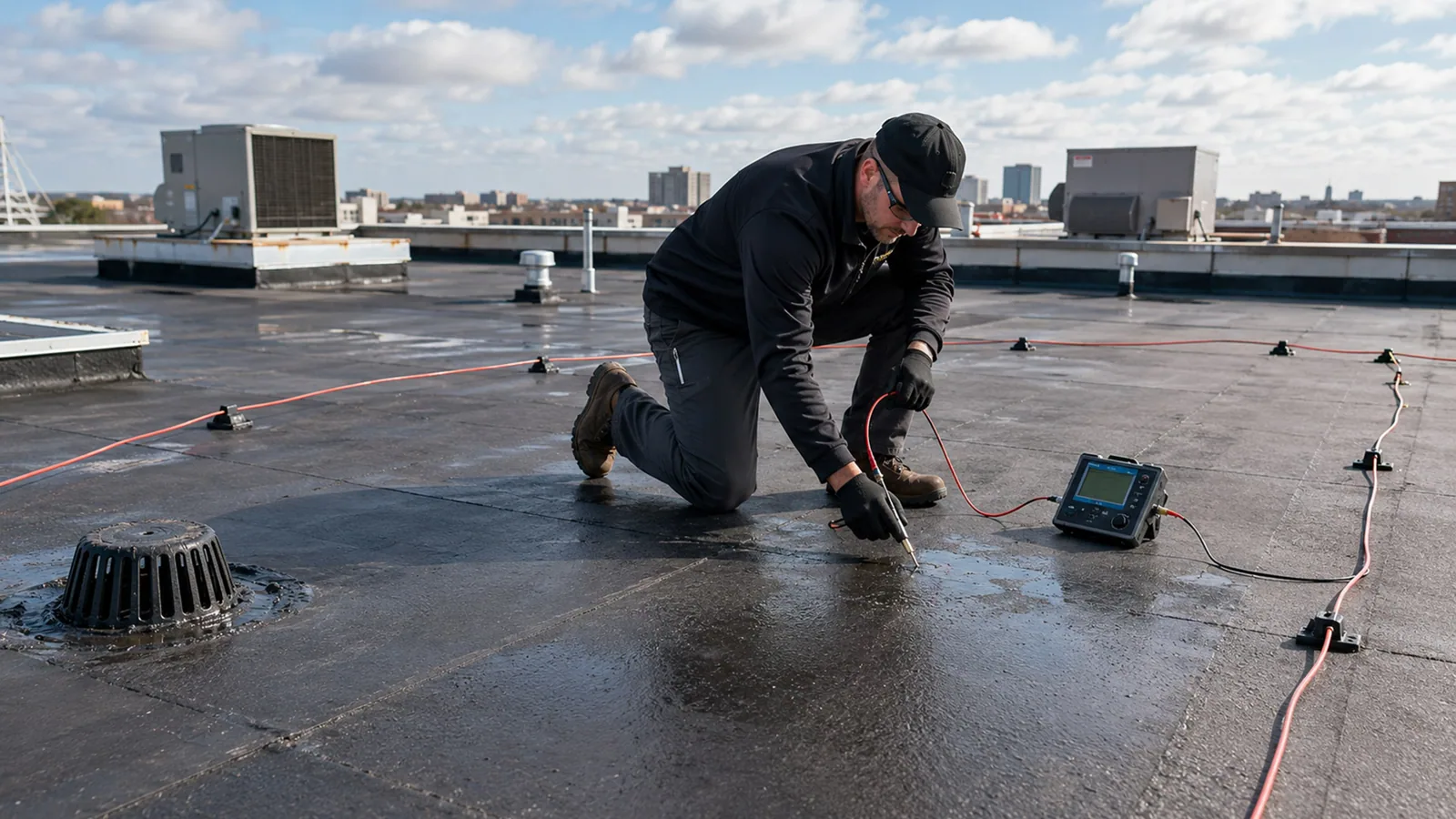
Commercial Roof Inspection in Murrieta, CA
See how this work fits the roof, the building and the schedule.
Learn More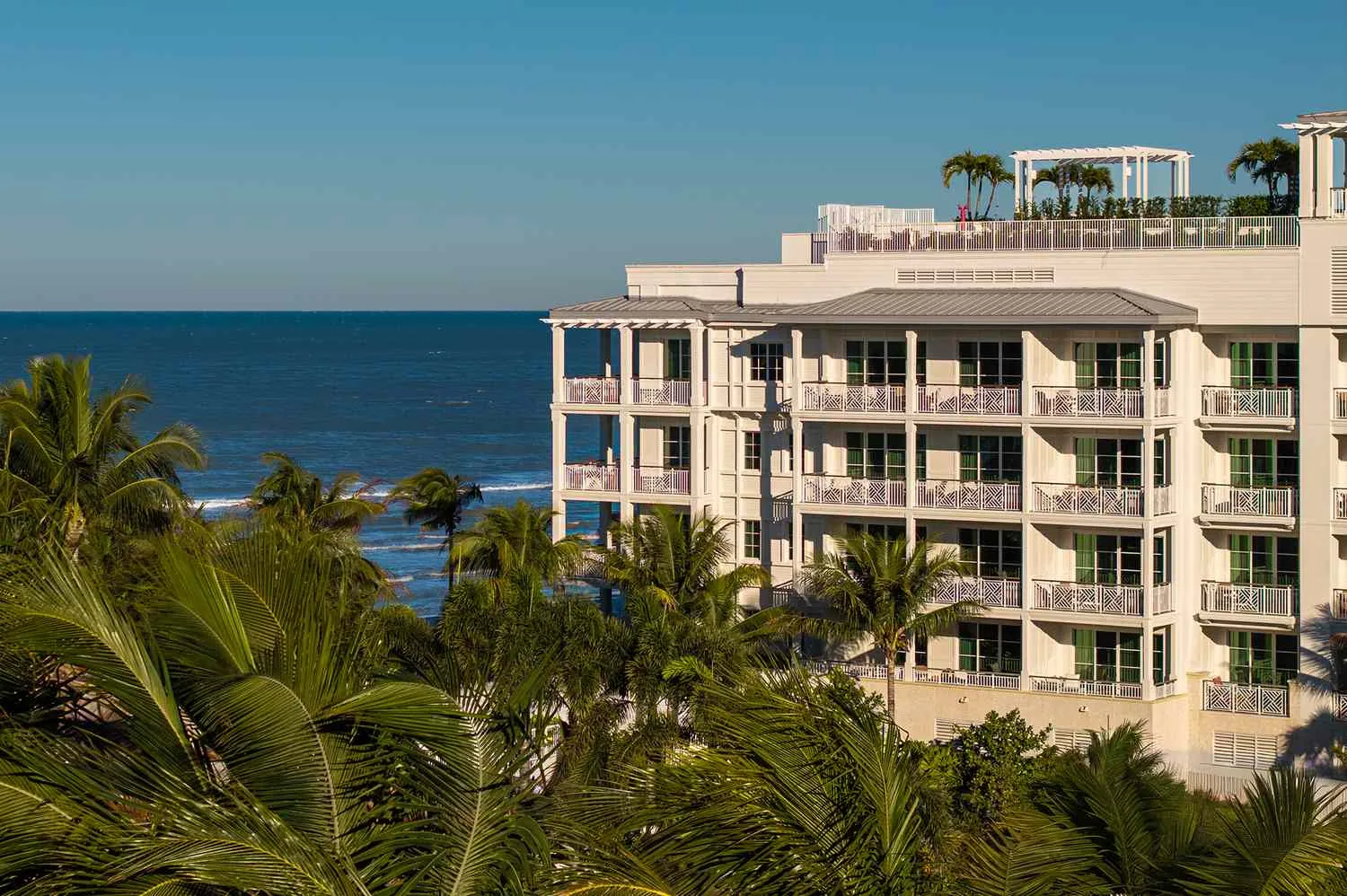
Hotel Roofing in Murrieta, CA
Related scope, access notes and questions to ask before work starts.
Learn More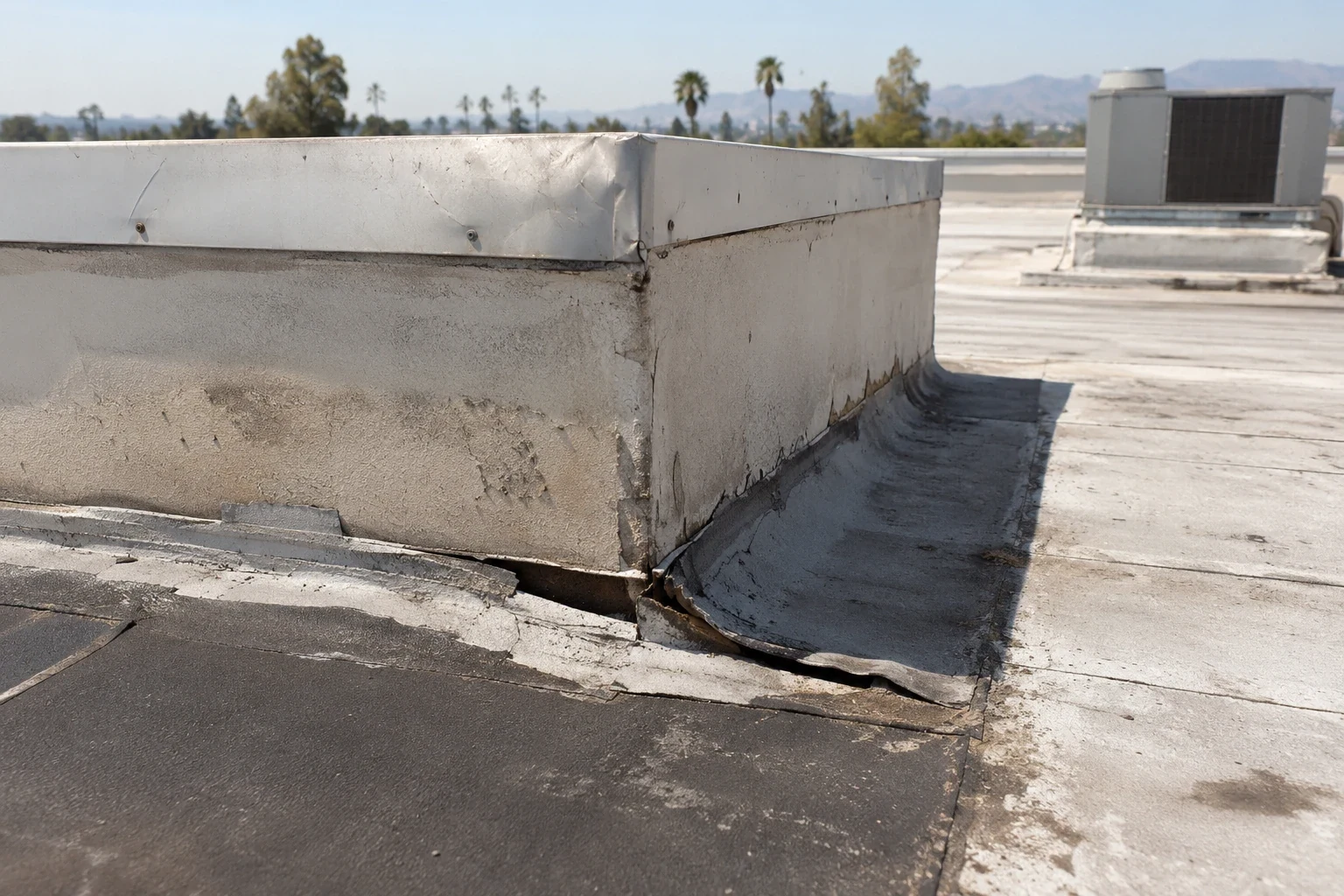
Commercial Flashing Failure Repair in Murrieta, CA
Read the full description and the questions owners ask about it.
Learn More
Occupied-Building Commercial Reroofing in Murrieta, CA
See how this work fits the roof, the building and the schedule.
Learn More
Commercial Roofing for Property Managers in Murrieta, CA
Related scope, access notes and questions to ask before work starts.
Learn More
Retail and Restaurant Chain Roofing in Murrieta, CA
Read the full description and the questions owners ask about it.
Learn MorePlan Around Guests and Roof Conditions
Arrange an inspection to trace the reported issue, define a work zone, and coordinate the next step with property staff.