
Commercial Roof Seam Failure Repair in Murrieta, CA
Repair split commercial roof seams in Murrieta, CA with a membrane-specific inspection, clear tie-in limits, and a dry-in plan for occupied buildings.
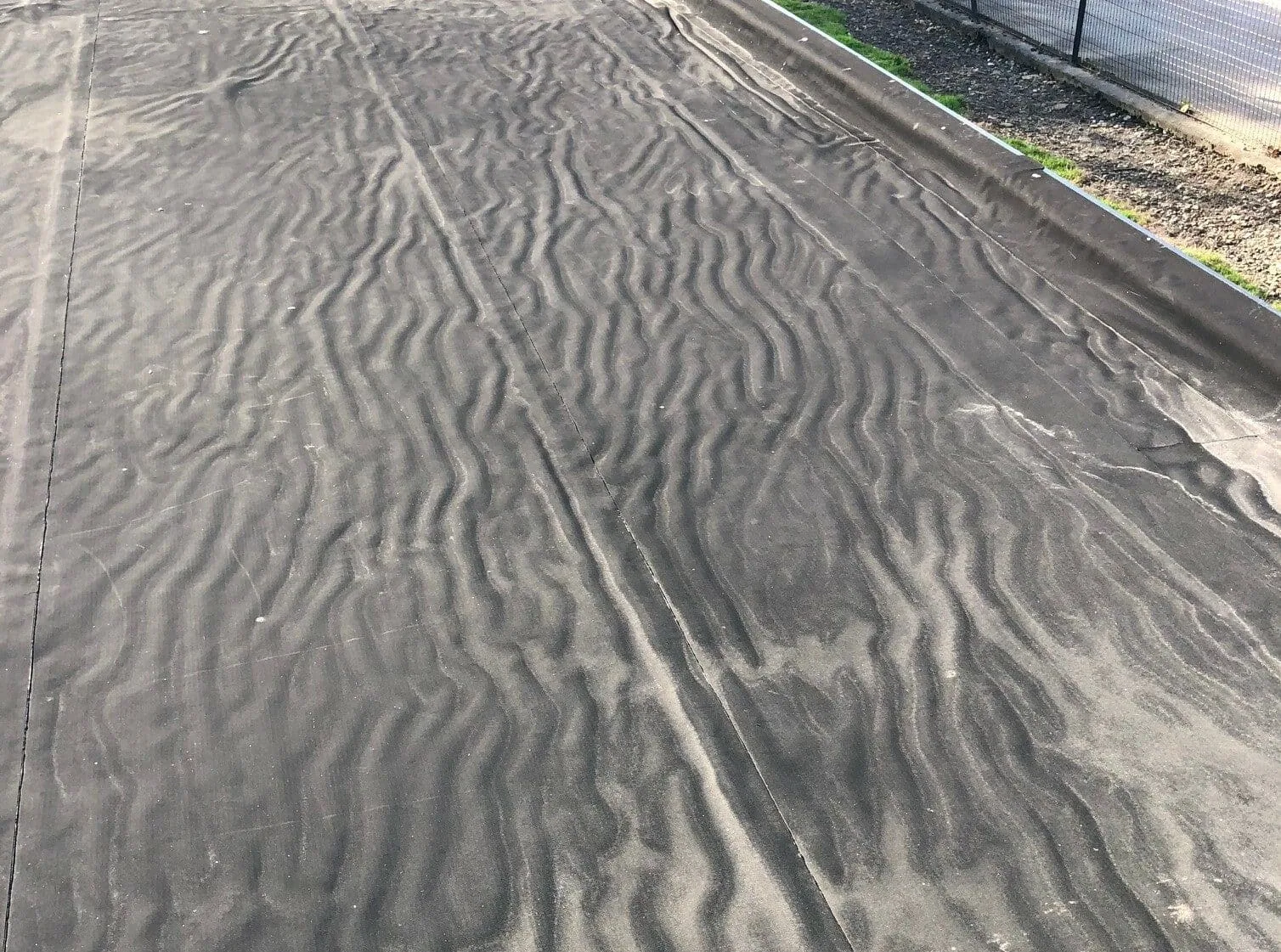
A lap that has lifted along the edge of a membrane sheet can admit water even while the rest of the roof looks intact. In Murrieta, CA, we follow the opening in both directions, check what lies below it, and identify whether heat movement, traffic, or an earlier repair changed the bond. That distinction shows whether a local weld or a larger opening is needed.
Murrieta’s long-range outlook puts annual maximum temperatures above the historical average, with the modeled amount depending on scenario. For seam work, the membrane and surface condition set the day’s weld window. A commercial roof inspection can document neighboring seams and transitions when the defect may not be isolated.
Inspection finding: Follow the Split Beyond Its Visible End
We mark the open lap on a roof sketch, note its direction, and probe accessible areas for sound bond. Dirt, coating, sealant, or an older patch can obscure the failure edge. We inspect intersections, curb corners, terminations, and slope changes because water may travel beyond the visible opening. The report separates a local repair from a longer split that needs broader work or a controlled opening.
A seam on a low-slope roof works as part of an assembly with membrane, insulation, cover board, fasteners, and flashing. We compare the field condition with available records before choosing materials. Where water has traveled along a lap, the interior stain may sit away from the entry point. A membrane puncture check is useful when impact damage appears beside the split, while a wind damage review can separate edge movement from a field-seam problem.
System detail: Match the Method to the Membrane
Thermoplastic seams are generally joined with heat, so surface preparation, temperature, speed, and pressure affect the weld. EPDM uses a different bonding detail, and modified bitumen or built-up roofing has its own lap and surfacing requirements. We confirm what is installed instead of selecting a patch by color or by the name on an old invoice. The written scope identifies the material, preparation, overlap, and check used to verify the finished tie-in.
At an older patch, we check for edge lift, contamination, moisture, and movement before placing new material. A controlled opening can confirm whether the substrate supports a surface repair. A TPO system review can frame the compatible weld detail once the membrane is confirmed. The final choice depends on the actual assembly and the amount of sound material available around the defect.
System detail: Check Drainage and Concealed Moisture
Water that enters through a split can travel beneath the membrane before it reaches an occupied room. We check nearby penetrations, low areas, insulation edges, and any condition that could keep the zone wet. If a drain is slow or debris is pressing against the seam, clearing the outlet may be part of the work plan, but it does not replace restoring the open lap. A drain and scupper service can address the outlet condition in the same roof section when the scopes align.
A drain-side seam needs two separate checks. We restore the open lap, then record whether an obstructed outlet or low area needs correction. If the drainage change extends beyond this repair, the estimate shows its own limit and approval step.
System detail: Set a Repair Boundary Before Opening Material
A localized seam repair is appropriate when the separation ends at sound, clean material and the layers below remain serviceable. A longer bond failure, recurring splits, wet insulation, or a damaged cover board can change the scope. We mark the limit and pause for approval if concealed damage changes the scope.
Cost and timing follow the split length, membrane, preparation, access, and any substrate work. The window must also protect rooftop service and occupied space. A roof recover evaluation may be considered when broader deterioration supports it, but a seam defect alone does not establish that a recover or replacement is needed. The scope states which observation supports each option.
Owner decision: Keep the Roof Dry During the Shift
We plan the seam work around the actual temperature, wind, and chance of moisture during preparation and bonding. The exposed area stays limited to what the crew can repair and protect within the shift. Materials are staged clear of drains and equipment access, and a temporary dry-in method is ready before failed material is lifted. If the surface is too hot, damp, or contaminated for the selected method, we hold the permanent tie-in and protect the opening until conditions support it.
Murrieta has direct access to Interstate 15 and Interstate 215, which frame regional access to its business districts. We confirm the delivery route and staging zone with each property contact before setting the work window. The Jefferson-Madison service area can help arrange the roof walk.
Owner decision: Leave a Record for the Next Inspection
At closeout, we record the roof section, membrane type if confirmed, repair dimensions, preparation, tie-in method, and photographs. The finished seam is checked with the method suited to the system, and any nearby observation remains separate from the completed repair. If moisture or a substrate question was left outside the approved scope, the record names that condition and the decision still needed. This gives the next maintenance visit a clear starting point rather than an unexplained patch.
Where a property has a maintenance program, the repaired area can be added to the next inspection trigger, especially after equipment work or a hot-weather work cycle. A preventive roof maintenance visit can track that follow-up. For a call involving water actively entering the building, our emergency roof response can limit exposure while the permanent scope is prepared. Each visit closes with the repair boundary and handoff recorded for the facility team.
Commercial Roofing Questions
How can a seam split be separated from a puncture?
A seam failure follows the sheet lap, while a puncture usually starts at a discrete impact point. We inspect the shape, probe accessible bond areas, and check nearby traffic or equipment routes. If both defects exist, the report maps them separately so each repair has the right material and test.
Can you weld a lifted lap during a hot afternoon?
The repair depends on the membrane, surface condition, and the temperature range required for the selected method. We check the actual roof before preparing the lap and limit the work area to what can be completed and protected. If conditions do not support a sound bond, temporary protection holds the opening for a better window.
What if the split runs beneath an equipment curb?
We trace the seam to the curb, inspect the flashing transition, and coordinate with the equipment contact before changing access or disturbing service connections. The scope identifies where seam repair ends and curb work begins. If the layers beneath are wet or damaged, that finding is presented for approval before the boundary expands.
Does one open lap mean the whole roof should be replaced?
One split does not establish the condition of every section. We look for related separation, repeated repairs, moisture, and attachment concerns, then state whether the evidence supports a local fix or broader investigation. Replacement is considered only when the roof condition and repair scope justify that decision.
What details help define the repair before a site visit?
A roof plan, membrane records, prior repair notes, leak location, equipment schedule, and access rules help set up the inspection. We still verify the lap and substrate in the field. Those records let us map the seam, prepare a realistic work window, and separate confirmed work from conditions that may need approval.
Related Roofing Work
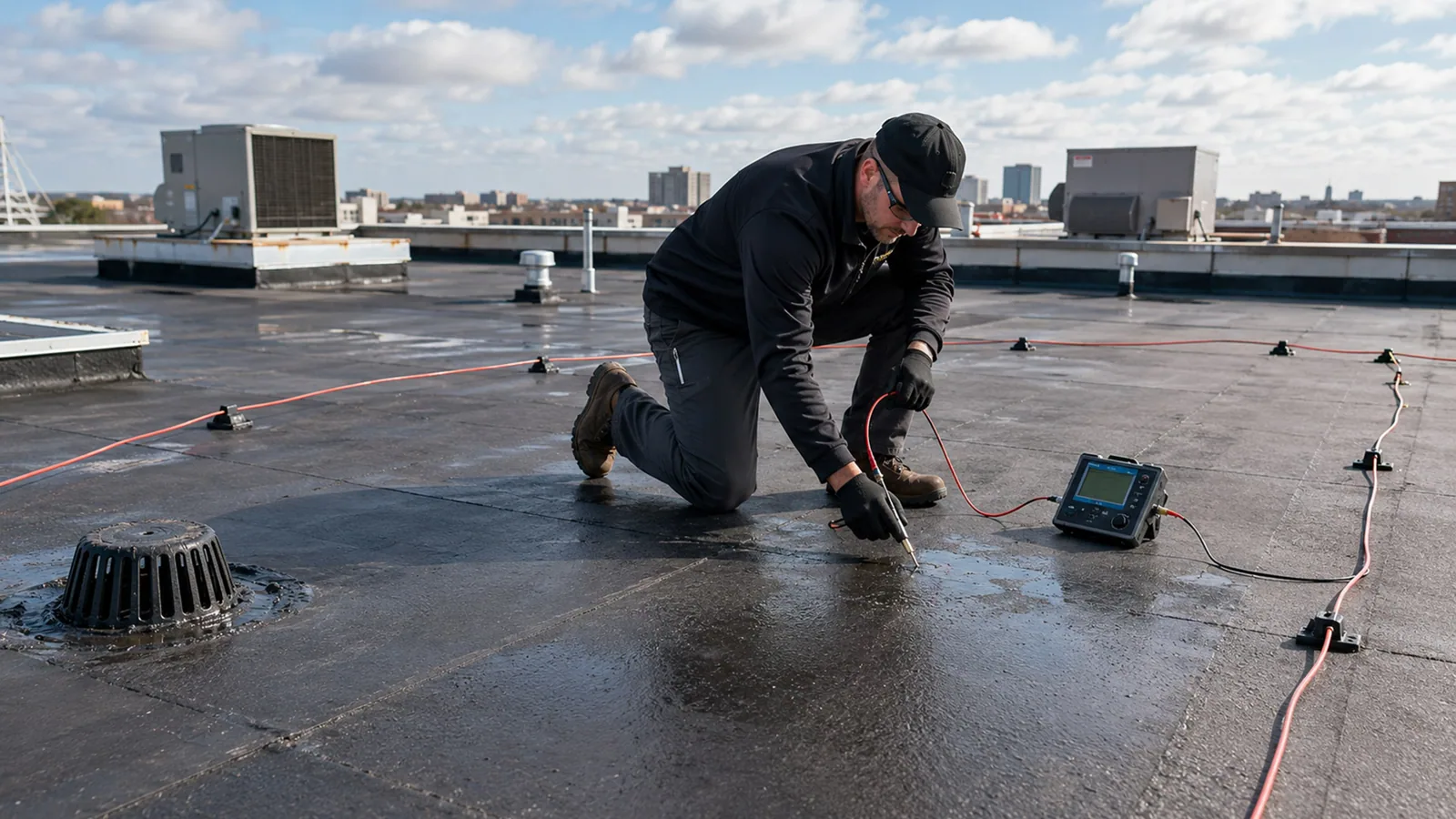
Commercial Roof Inspection in Murrieta, CA
See how this work fits the roof, the building and the schedule.
Learn More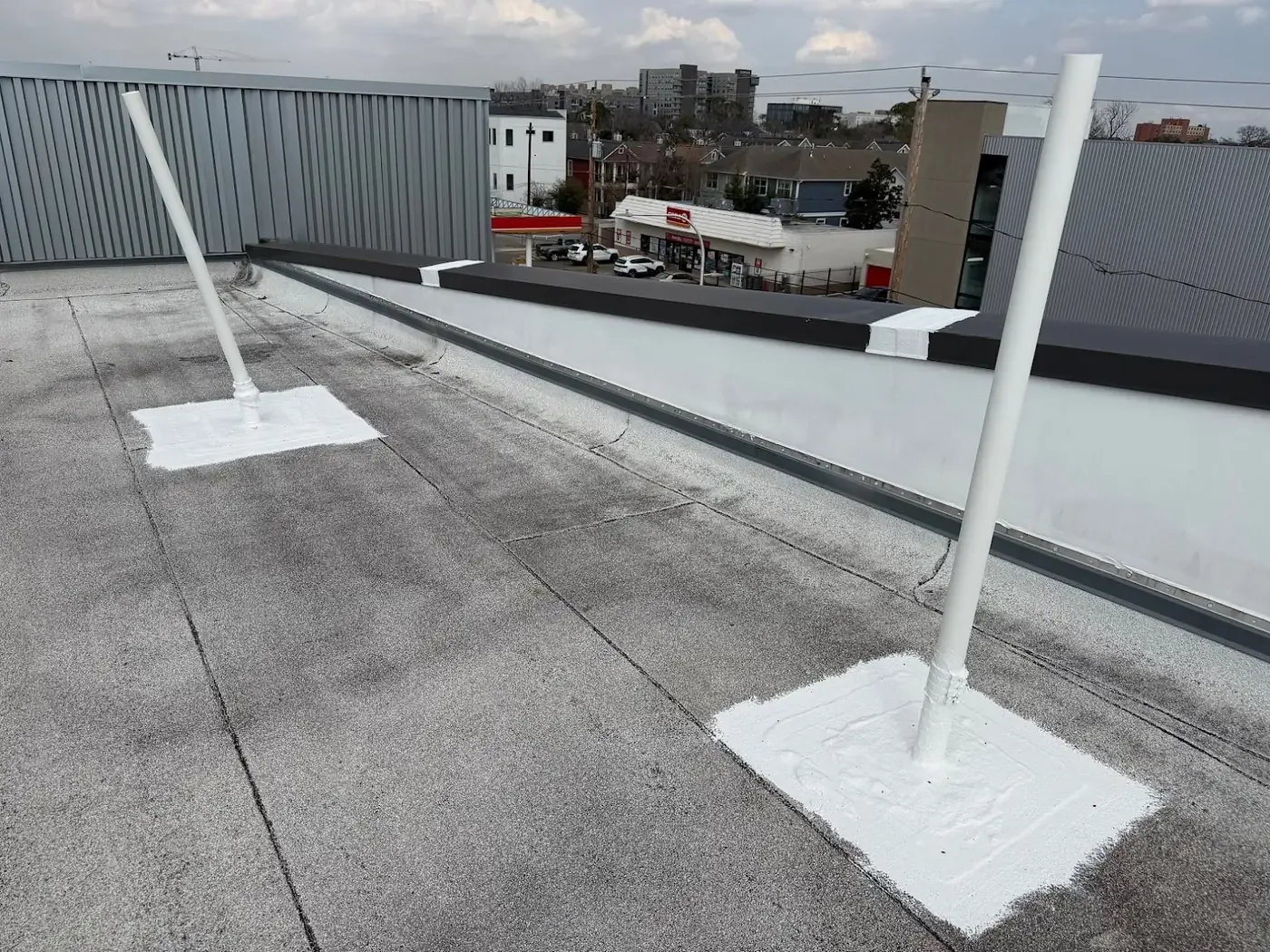
Commercial Roof Membrane Puncture Repair in Murrieta, CA
Related scope, access notes and questions to ask before work starts.
Learn More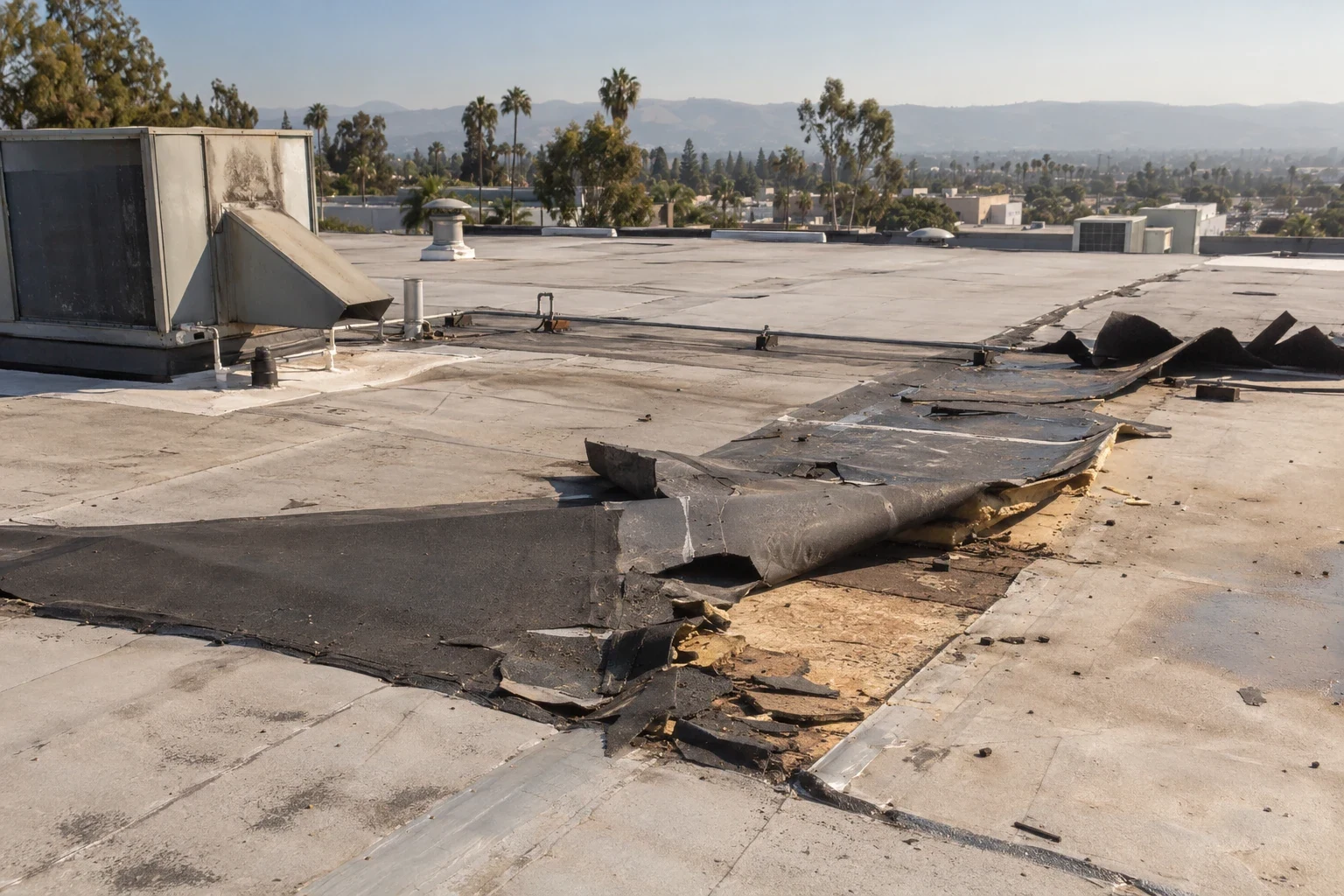
Commercial Wind Damage Roof Repair in Murrieta, CA
Read the full description and the questions owners ask about it.
Learn More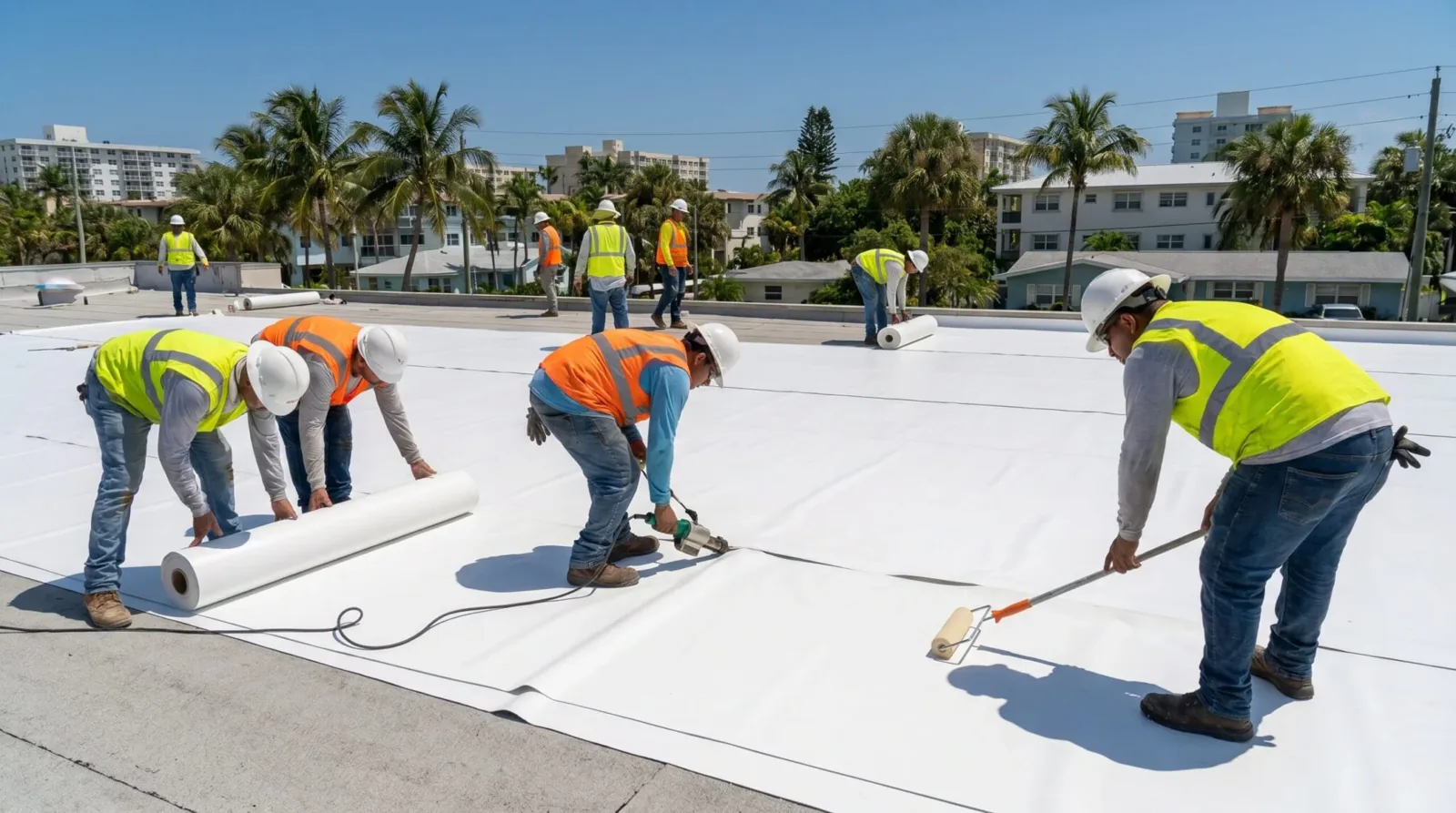
Commercial TPO Roofing in Murrieta, CA
See how this work fits the roof, the building and the schedule.
Learn More
Commercial Roof Drains and Scuppers in Murrieta, CA
Related scope, access notes and questions to ask before work starts.
Learn More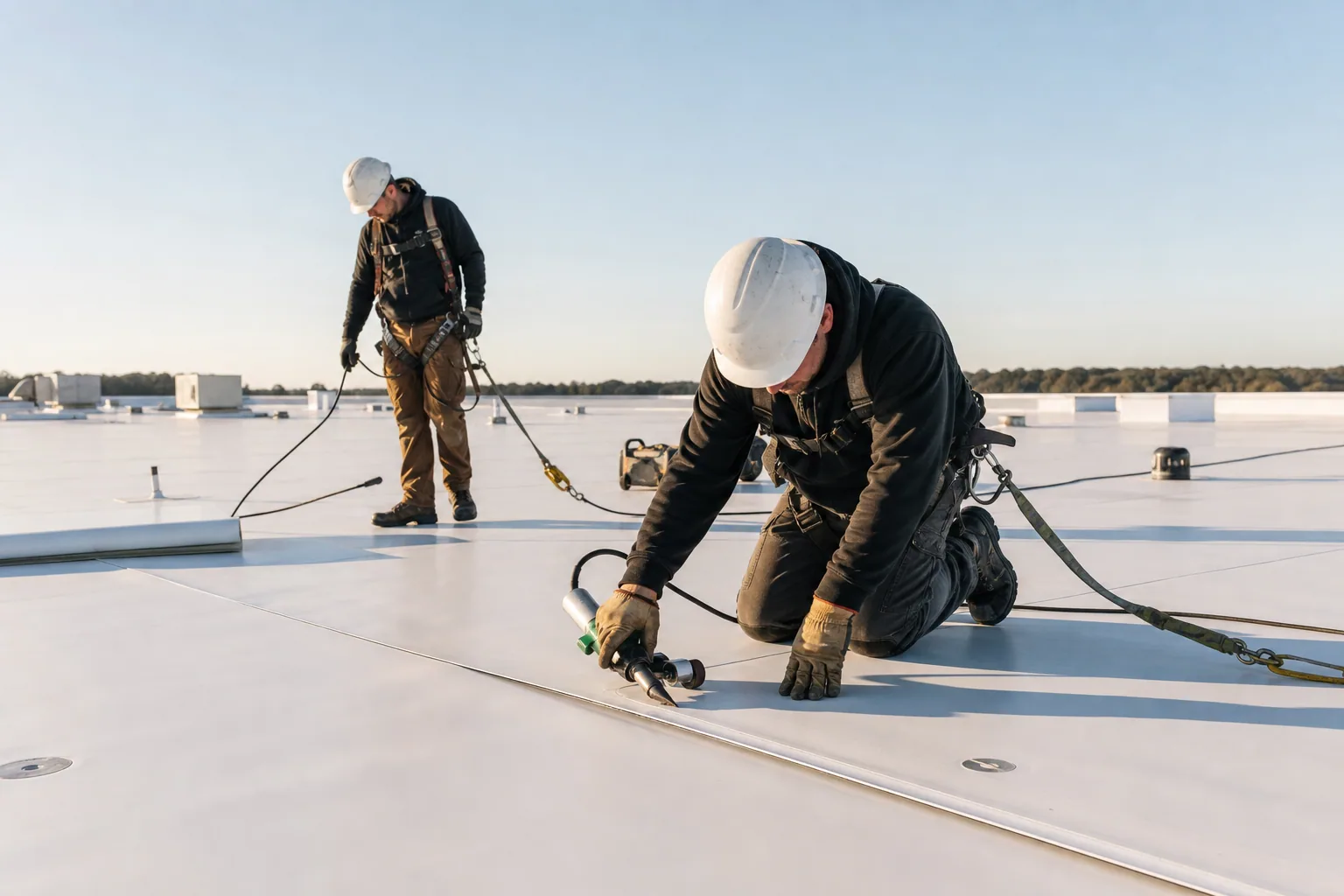
Commercial Roof Recover in Murrieta, CA
Read the full description and the questions owners ask about it.
Learn MoreMap the Seam Before It Opens Further
Have the roof plan, membrane records, leak location, prior repair notes, and access requirements ready. We will trace the separation, verify the assembly, and provide a written tie-in boundary with the next inspection trigger.