
College and University Roofing in Murrieta, CA
Plan college and university roof work in Murrieta, CA, with attention to classroom schedules, equipment access, drainage and phased construction.
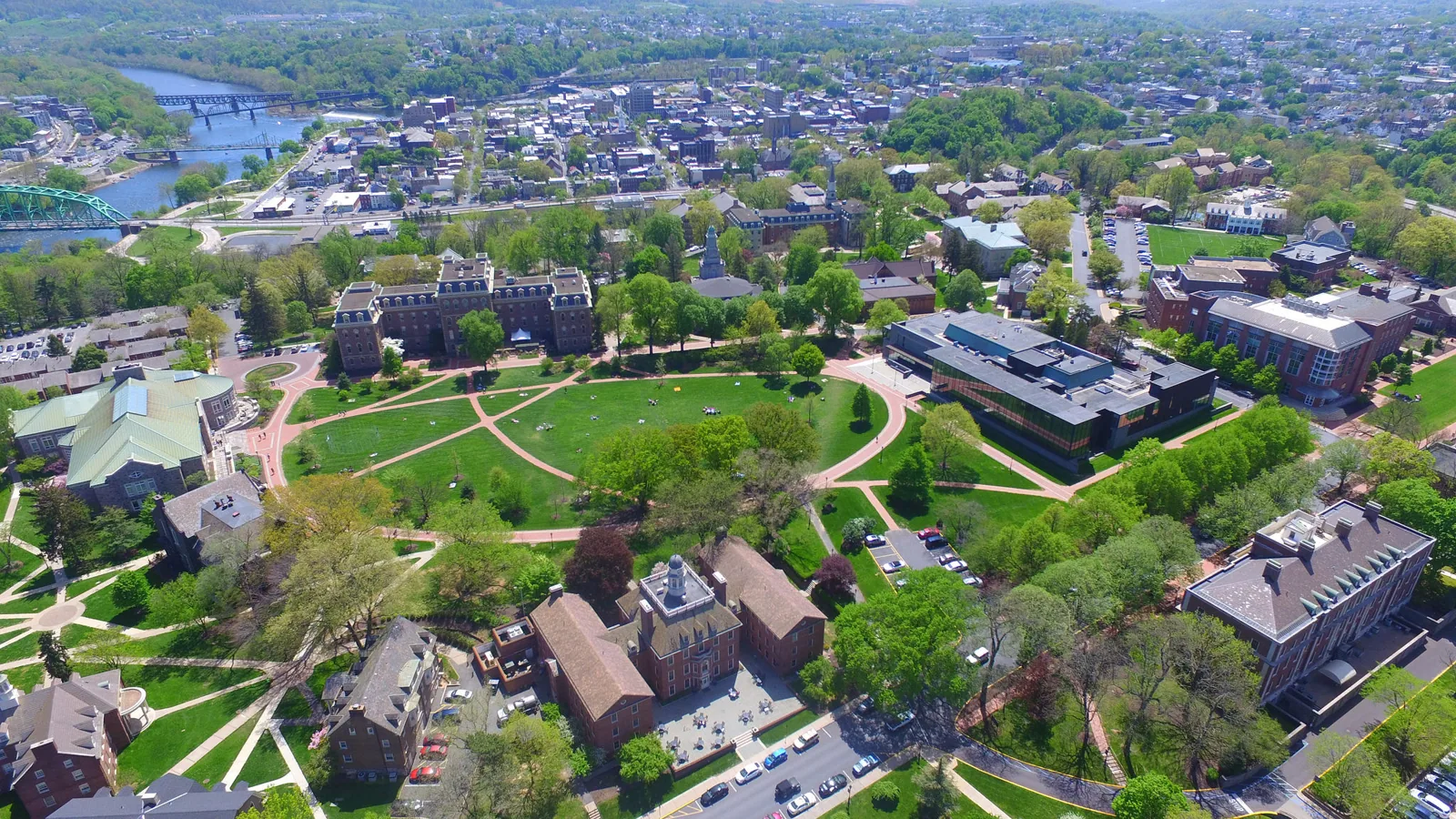
A lecture schedule rarely covers every roof-access need. College and university roofing in Murrieta calls for a map of the building, roof assembly, mechanical routes and activities that continue between terms. We inspect the system before recommending a patch, recover or replacement, then coordinate the work window with facilities staff. Murrieta’s Economic Development Strategic Plan describes workforce work linked to higher education and local job creation. That is an economic-development objective, not a count of campuses or a description of their buildings. The roof inspection supplies the property-specific evidence. A condition inspection can give facilities and capital-planning teams a common starting point.
Building Inventory: Separate Roofs by Section
A campus property can include classrooms, offices, laboratories, dining areas, event rooms and maintenance spaces, each with different roof elevations and equipment. We do not assume one assembly covers the whole site. We label the roof sections, identify membrane or metal systems, and mark drains, curbs, penetrations, edge details and known repairs. If a ceiling stain appears below a lab or corridor, we compare it with the roof path and note whether moisture testing is needed. A thermal moisture survey can help identify test areas, while openings confirm whether insulation is wet.
Photos should show more than a close-up of a crack. We include enough roof context for a facilities employee to locate a seam, drain or flashing point later. The report states what was visible, what was tested, and which condition changes the decision between repair and replacement. If a roof section has a different age or prior coating, it stays distinct in the record. This prevents one problem area from making the entire property look the same and helps the owner sequence capital work across different buildings or wings.
Academic Calendar: Make the Work Window Real
Summer breaks, exam periods, athletic events, research schedules and food service may all influence roof access. Before setting a start date, we ask which spaces remain active and how deliveries, lifts and temporary protection can be staged. If a project spans several roofs, work can move between sections while one building remains open. Each shift still needs a dry-in boundary, a clear route for facilities staff and a process for approving concealed deck repairs. An occupied-building reroof sequence can help coordinate active areas and keep other trades informed.
Murrieta’s planning materials describe the Keller Road and I-215 corridor as a future medical and technology area. Temecula’s business-attraction program includes advanced manufacturing and medical-device manufacturing. Those plans point to regional priorities, not specific campus facilities. For a college or university roof, the facilities calendar and access policy govern the project more than regional descriptions. We verify the route for material, identify the responsible contact and define which building areas need notice before rooftop work begins.
System Review: Match Scope to the Installed Roof
We check seams, attachment, flashing, insulation, deck support and drainage before specifying new material. A metal panel needs a different repair from a single-ply membrane, and a coating cannot correct wet insulation or a failing substrate. If a recover is proposed, the existing assembly must be secure and the added height must work at curbs, walls and drains. A test opening can confirm what remains below the surface. Compare school roof planning for a tighter student calendar and office building scopes for tenant-focused access.
Large properties also need consistent records. A proposal should state which buildings or roof sections are included, what repairs are part of the base scope, and how concealed findings are approved. The owner can then compare replacement, recover and targeted repair using the same assumptions for insulation, edge metal, drainage and protection below. We list areas that remain outside the project and any inspection recommendation that should be scheduled later. A condition report can connect the immediate work with future capital planning without treating every structure as one project.
Water Management: Check Outlets and Transitions
Campus roofs can have several drainage patterns. A flat roof section may discharge to a bowl, while another sends water through a scupper or toward a lower addition. We trace the route and inspect strainers, overflow points, crickets and transitions where an old addition meets a newer section. Ponding after ordinary drainage time can reveal a slope or outlet issue, but the inspection should also check insulation and deck support. A drain and scupper correction can restore the connection when the outlet is damaged or poorly flashed. If water has reached an interior room, temporary protection does not replace the permanent roof repair.
Murrieta’s climate assessment reports a historical annual precipitation average and a range of future scenario outcomes. It associates changing patterns with both flood events and drought. Those figures do not forecast water at one building. We still inspect the physical slope and drainage path at each roof section, then note any low area or overflow limitation. The work plan should protect rooms below during removal, especially where lab or communications equipment sits near the affected roof. The facilities contact can identify areas that require added notice or access control.
Capital Record: Keep Work Comparable
When a campus has multiple roofs, compare condition and work scope by building or section. The report should include photographs, system identification, moisture results, drain condition and immediate repair needs. A replacement proposal should show tear-off assumptions, insulation, edge details, penetrations, staging, phasing and temporary dry-in. Cost changes with access, deck repairs, the number of transitions and how the academic calendar affects mobilizations. If a roof is serviceable but needs follow-up, a maintenance visit can track open items instead of rolling them into an unspecified future project.
At closeout, keep the map, product information, approvals and repaired locations with facilities records. The next review can compare the same areas and support a capital decision across terms. Murrieta’s workforce plan and Temecula’s manufacturing priorities describe the region’s economic context, not a particular institution’s roof. The building determines the work. Request an inspection to establish a condition baseline and discuss a schedule that fits the academic and facilities calendar.
Commercial Roofing Questions
Can roofing work be scheduled between academic terms?
It can, but the campus calendar, facilities staffing, events and equipment service still shape access. We confirm which buildings stay active and set daily roof boundaries with the facilities contact. If a project spans terms, each temporary tie-in and restart point needs a weather-tight closeout record.
Should each campus building have its own roof report?
A property with different structures or roof sections benefits from findings that stay tied to each one. We identify the installed system, drainage, penetrations and repairs by section. That helps facilities compare priorities and avoid treating one wet area as evidence that every roof needs the same scope.
What should an owner compare in campus roof proposals?
Compare the included buildings, test locations, removal assumptions, insulation, drainage, access, phasing and concealed-condition process. A proposal should state what remains outside its scope and identify temporary protection. Those details support a capital decision based on the same roof areas and assumptions.
Can a coating extend the life of a campus roof?
Only if the existing surface and substrate are suitable and the source of active leaks is corrected. We test adhesion, inspect seams and drains, and confirm whether moisture is present before recommending restoration. A coating cannot correct structural or insulation conditions hidden below the surface.
How should facilities coordinate rooftop service during a reroof?
We map equipment routes and identify when mechanical or research staff need roof access. The sequence should keep a safe path available or set a specific period when access is restricted. If a unit must move, the responsible trade and approval process need to be part of the schedule.
Related Roofing Work
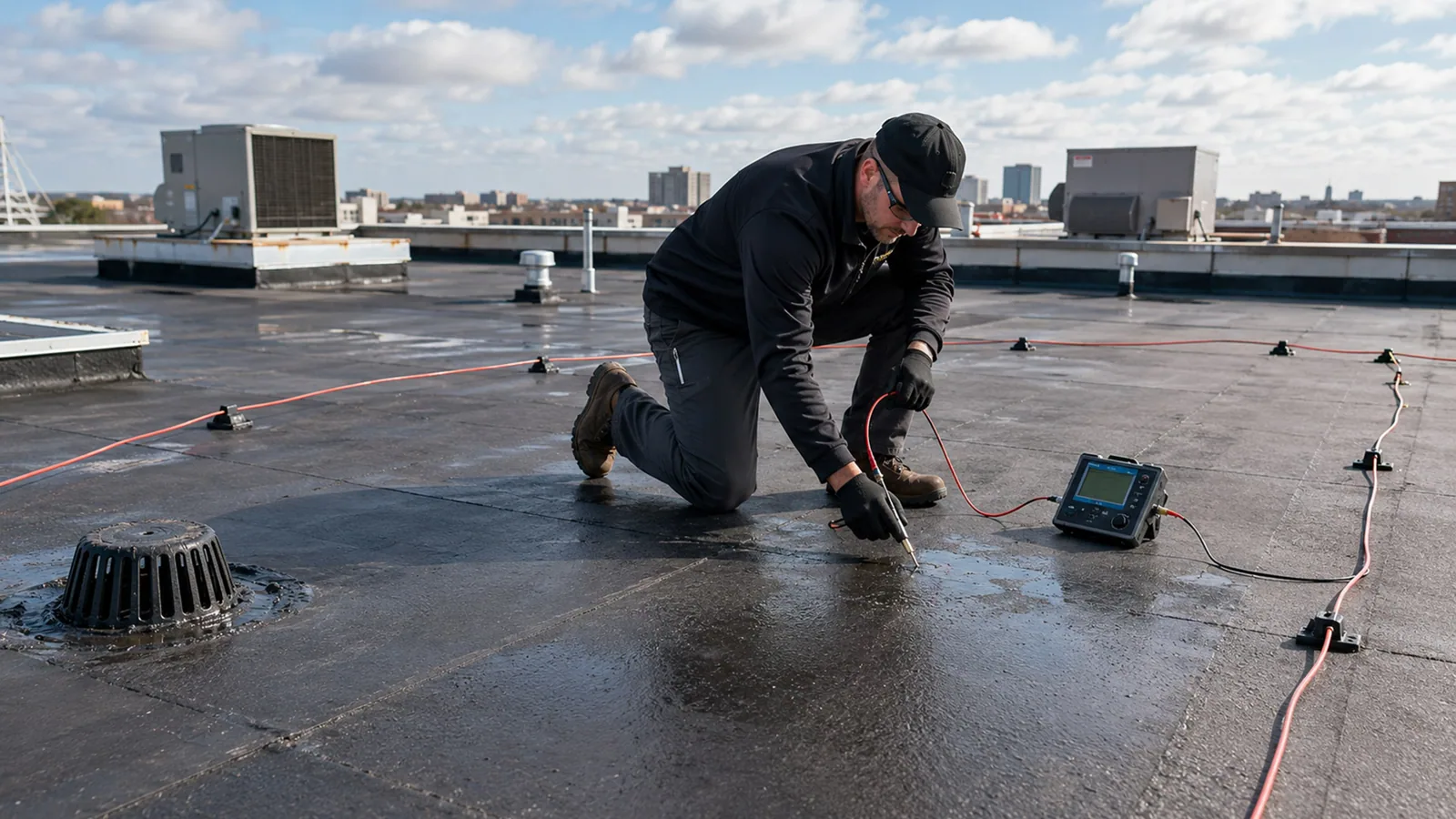
Commercial Roof Inspection in Murrieta, CA
See how this work fits the roof, the building and the schedule.
Learn More
Infrared Roof Moisture Survey in Murrieta, CA
Related scope, access notes and questions to ask before work starts.
Learn More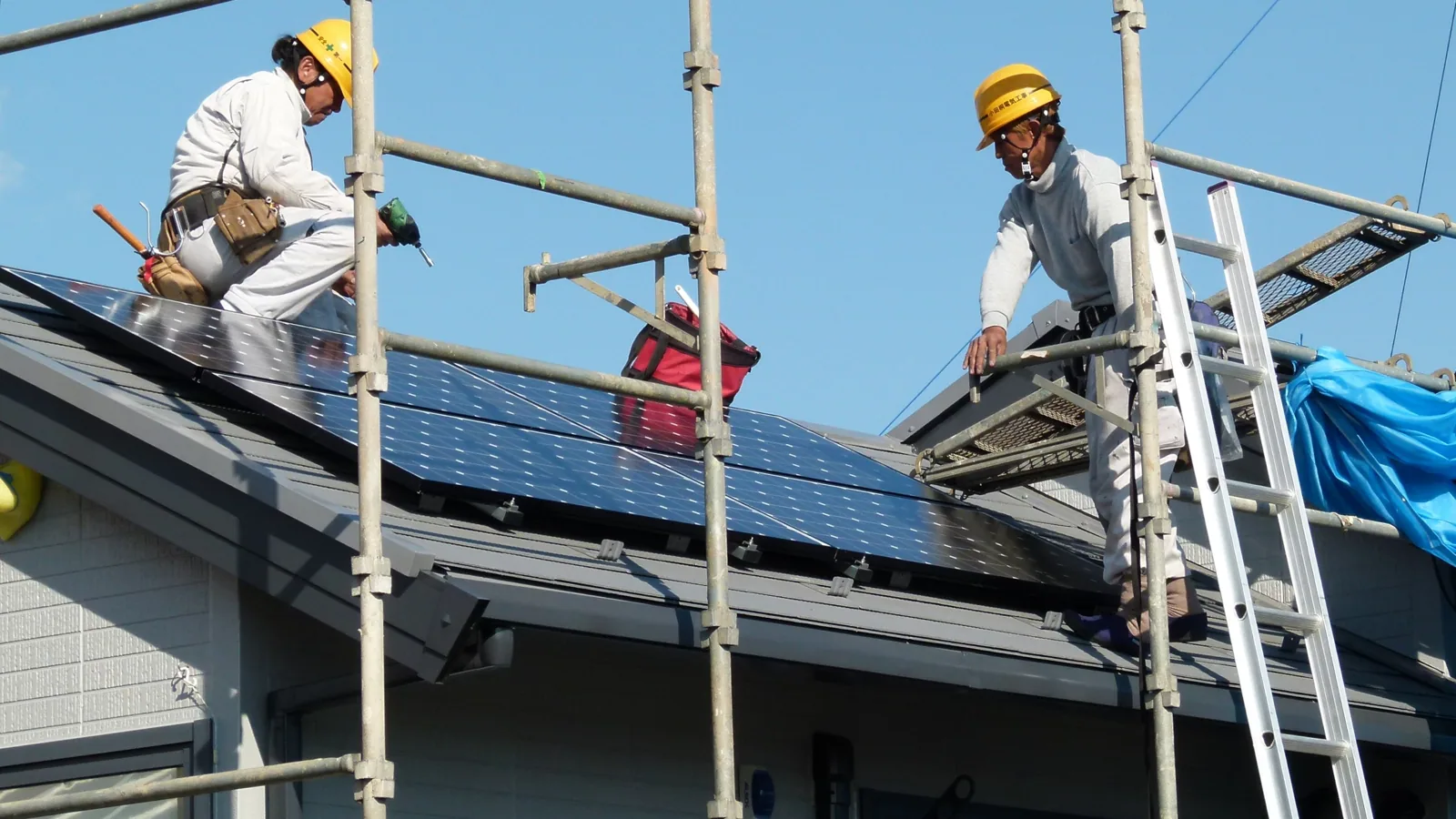
Occupied-Building Commercial Reroofing in Murrieta, CA
Read the full description and the questions owners ask about it.
Learn More
Commercial Roofing in Temecula, CA
See how this work fits the roof, the building and the schedule.
Learn More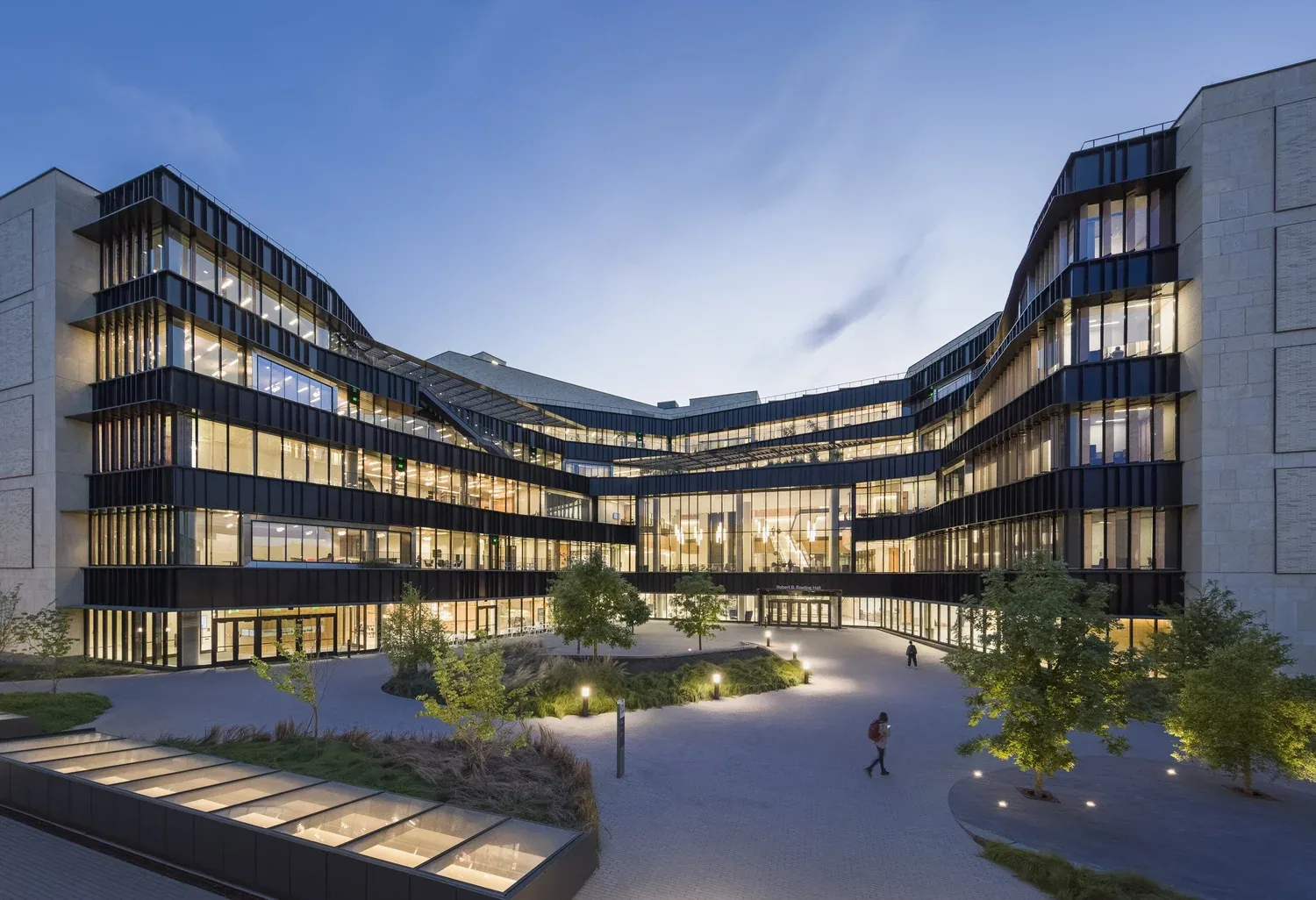
School Roofing in Murrieta, CA
Related scope, access notes and questions to ask before work starts.
Learn More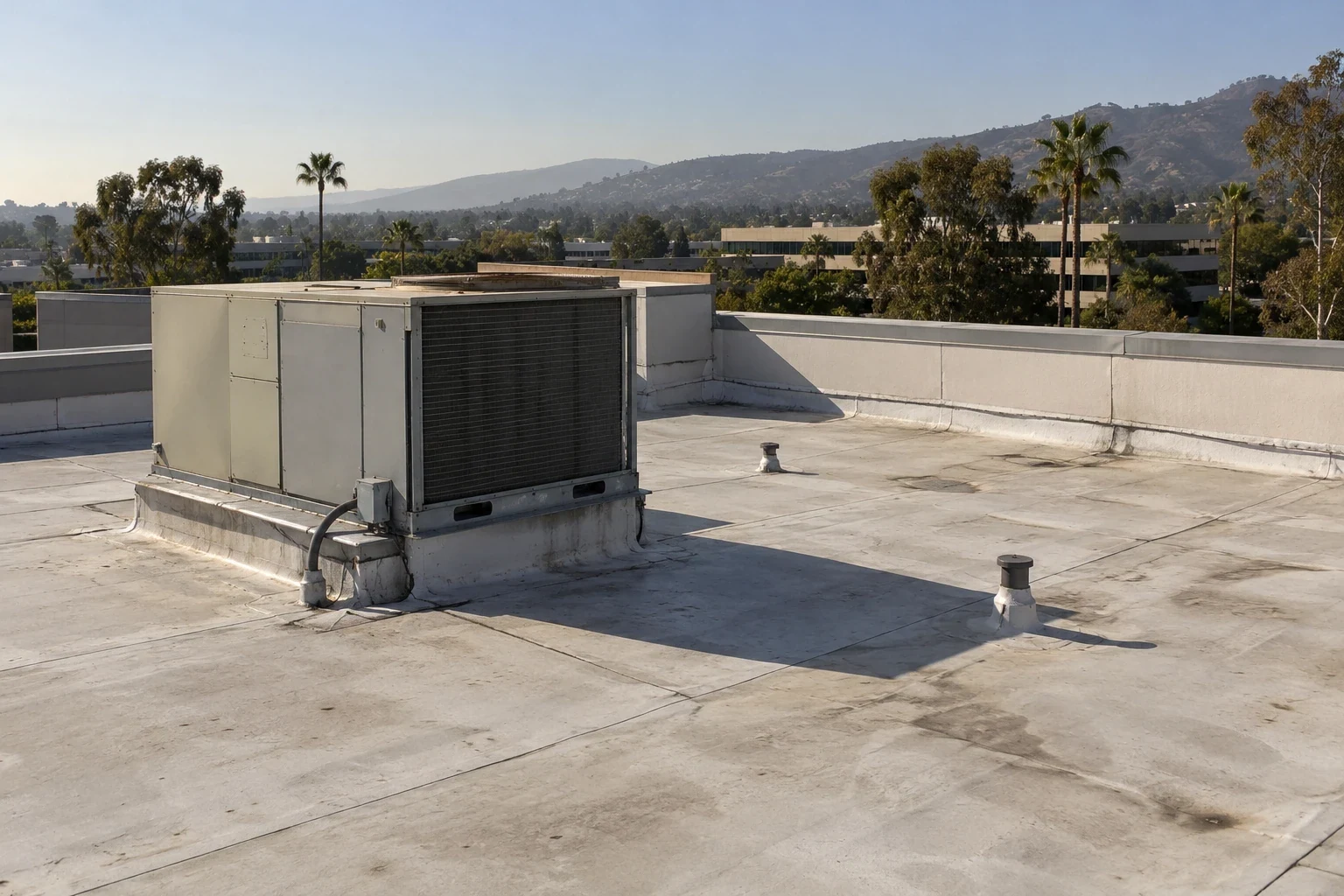
Office Building Roofing in Murrieta, CA
Read the full description and the questions owners ask about it.
Learn MorePlan Campus Roof Work in Murrieta
Arrange an inspection to map roof sections, drainage and access windows before comparing repair or replacement scopes.