
Apartment Roofing in Murrieta, CA
Coordinate apartment roof repair and replacement in Murrieta with clear resident access, leak response, drainage review and phased work planning.
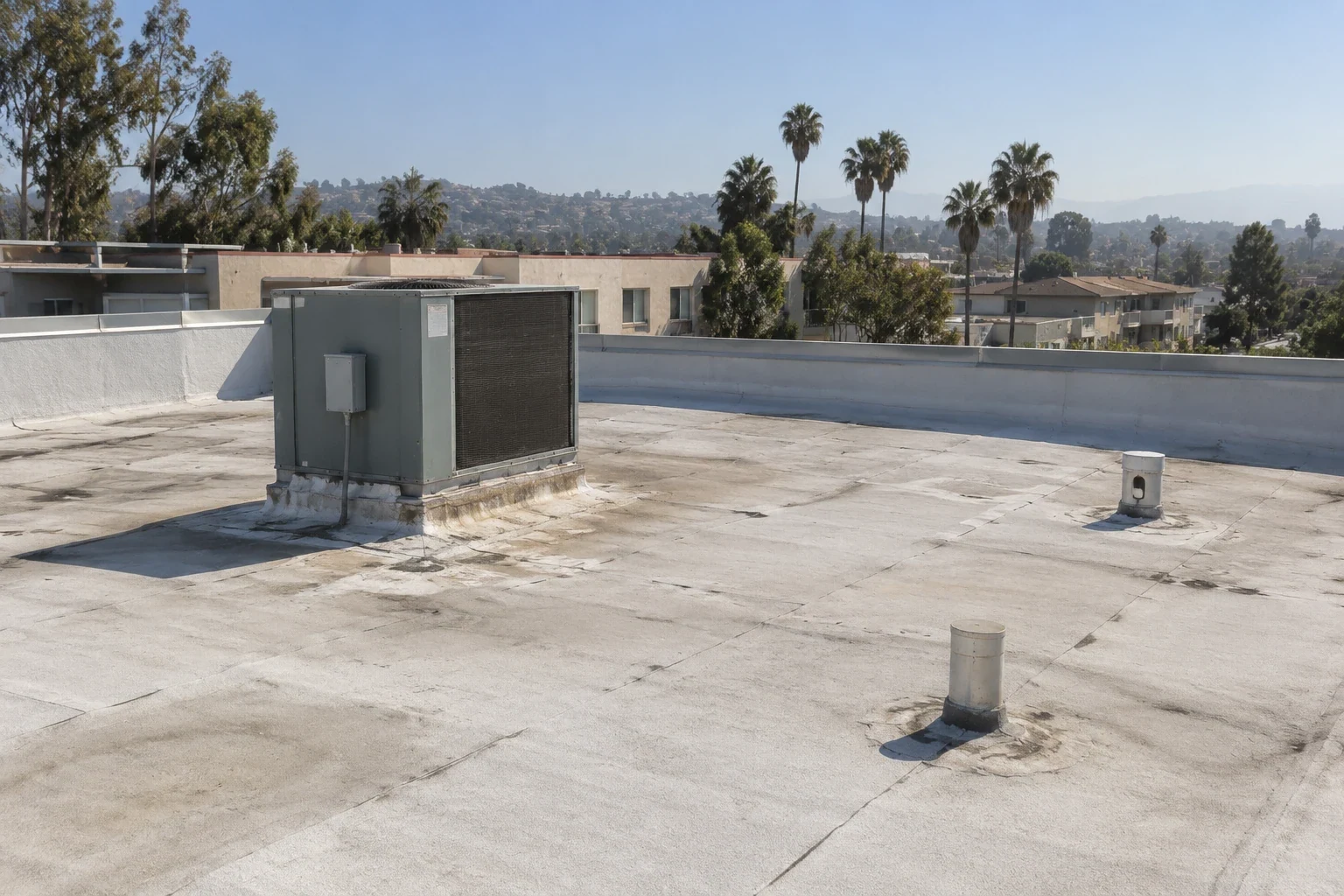
Occupied apartment roofing in Murrieta calls for a plan that accounts for the assembly above and residents below. We inspect reported areas, roof access, drainage, penetrations and prior repairs, then map conditions that may affect units or shared spaces. An apartment roof needs a property-specific record of membrane, drains, penetrations, and prior repairs. We inspect those details and account for resident access before setting the scope. A commercial roof inspection gives ownership a clear starting point.
Start Below the Leak: Protect Residents and Shared Areas
A ceiling stain can sit away from the roof opening if water travels along a deck, framing or conduit. We compare the report with slopes, seams, wall transitions, drains and equipment curbs, then note the likely entry area and tests completed. The record also identifies whether wet insulation or deck damage remains possible and which unit or shared space needs access or protection. A temporary cover can reduce exposure while permanent work is scoped; it remains an interim measure. A commercial leak repair visit can trace the source and define the repair boundary.
Apartment buildings may have separate roof sections above residences, stairs, laundry rooms, leasing areas or parking. We label each inspected area so management can connect later reports with the right location. If several units report water after the same weather, we check for a shared condition while retaining separate entry points as possibilities. Before interior access, management can share resident rules, pets, quiet hours and notice needs. The record distinguishes observed conditions from questions that require further testing.
Building use: Plan a Work Route That Fits Occupied Housing
Apartment roof access can share drive aisles, parking and walkways with residents, deliveries and maintenance staff. The scope should show lift placement, material staging, crew route, protected paths and any temporary access change. We coordinate notices with management and set a time window plus alternate route if a lift requires a brief closure. A phased occupied-building reroofing plan can limit active work to one defined section.
We also specify debris control, protection for vehicles and entries, and how exposed areas will be secured at day’s end. Management can identify move-in dates, quiet hours and service visits that affect scheduling. Murrieta connects directly to Interstates 15 and 215. It also describes the Jefferson-Madison Corridor as a planning area bounded by Jefferson Avenue, Newton Azrak Street, I-215 and Elm Street. Those facts give regional context; access approvals and resident notices come from the property contact. Compare hotel roofing plans for another occupied property type.
System detail: Choose Repairs Around the Existing Assembly
We identify the existing membrane, built-up surface, metal roof or combination before recommending work. The review covers seams, attachment, flashing, insulation, penetrations and drainage. A patch must suit the material; a coating needs a compatible, prepared surface and cannot correct trapped moisture or a failed deck. Added height can change parapet, curb and drain connections. The proposal explains why repair, coating, recover or replacement fits the observed assembly.
For larger work, we list removal, insulation or deck scope, flashing and daily tie-ins. The approval process should explain how concealed damage will be documented and who can authorize added work. A drain and scupper review can check outlet height before a new surface is installed. Murrieta says new permit submittals from January 1, 2026 forward follow the adopted 2025 California Building Codes. Requirements depend on scope and property, so the owner should confirm the applicable process with local officials. Owners comparing occupied uses can review shopping center roof planning, where tenant access and public circulation bring different coordination needs.
Roof observation: Review Heat, Water Paths and Roof Details
In Murrieta’s climate assessment, an extreme heat day means a reading of at least 105.1°F between April and October. The document gives five days per year as the 1950 to 2005 average, then offers 2050 scenarios from 26 to 36. These are planning projections rather than a condition report for one roof. We inspect the apartment’s own seams, sealants and flashing for brittleness, movement or repeat repairs. Material condition guides the recommendation.
Drainage review starts with the property map and the path water takes across each roof section. We check strainers, overflows, scuppers and low spots, then record any ponding or staining after ordinary drainage time. Staff can share prior leak reports and repair photographs to compare with current conditions. A roof coating and restoration review can compare options when the existing surface is suitable.
Owner decision: Give Ownership a Scope Residents Can Understand
The proposal should name roof sections, access, resident protections, work hours, daily dry-in and exclusions. It separates temporary leak control from permanent work and notes possible price changes, including wet insulation, deck repairs, added flashing or restricted staging. Cost depends on assembly, tear-off, materials, disposal, equipment access and phasing. Clear assumptions help ownership compare options.
A roof map can prioritize a multi-building property by observed condition and reported leaks without implying every roof has the same age or assembly. It can distinguish urgent openings, scheduled repairs and areas to monitor. For phased replacement, the owner can coordinate the sequence with reserve planning and resident notices. A commercial roof replacement scope should define phase boundaries and connections to later work.
Where a complex has buildings of different heights, keep their access and roof condition records separate. A map can show which entries need notice, where lift access is feasible and which drains belong to each section. This gives managers a practical way to match a resident report with the area that needs inspection.
Closeout records include photographs, product information, repair locations, approvals and excluded items. Keep them with unit reports and later inspection notes. Temecula’s Old Town is an officially described district about one mile from north to south; it is regional context, not a description of this roof. The commercial roofing service in Temecula page covers that nearby market. We inspect the property and prepare recommendations from the observed assembly.
Commercial Roofing Questions
Can residents stay in their apartments during roof replacement?
Many projects can be sequenced while units remain occupied, but the property layout, tear-off method and affected areas determine what is practical. We coordinate access, notice, debris controls and daily dry-in with management. The work plan should identify any temporary path change or interior protection before crews begin.
What details help after a roof leak is reported?
Record the unit or common area, the time the water appeared, recent conditions and any prior repair at that location. If safe, photographs of the stain and affected belongings can help guide the inspection. We trace the roof conditions and document the likely entry area before proposing permanent work.
How can crews protect shared parking and walkways?
The scope should show staging, lift placement, debris handling and protected pedestrian routes. Management can share delivery periods and resident access needs so the crew can set a workable sequence. If a route must change temporarily, staff should have the timing and alternate path before the change takes effect.
Could a coating address recurring roof leaks?
Only if the existing surface is suitable and the leak source can be addressed through that system. We inspect seams, flashing, moisture, drainage and prior repairs before considering a coating. The recommendation should explain preparation and repairs, along with conditions that would favor a different approach.
Which records should ownership retain after the work?
Keep the roof map, photographs, material details, approved changes and locations repaired. Note any excluded areas or future recommendations so a later inspection can distinguish completed work from open items. Those records also help property staff connect a new report with the relevant roof section.
Related Roofing Work
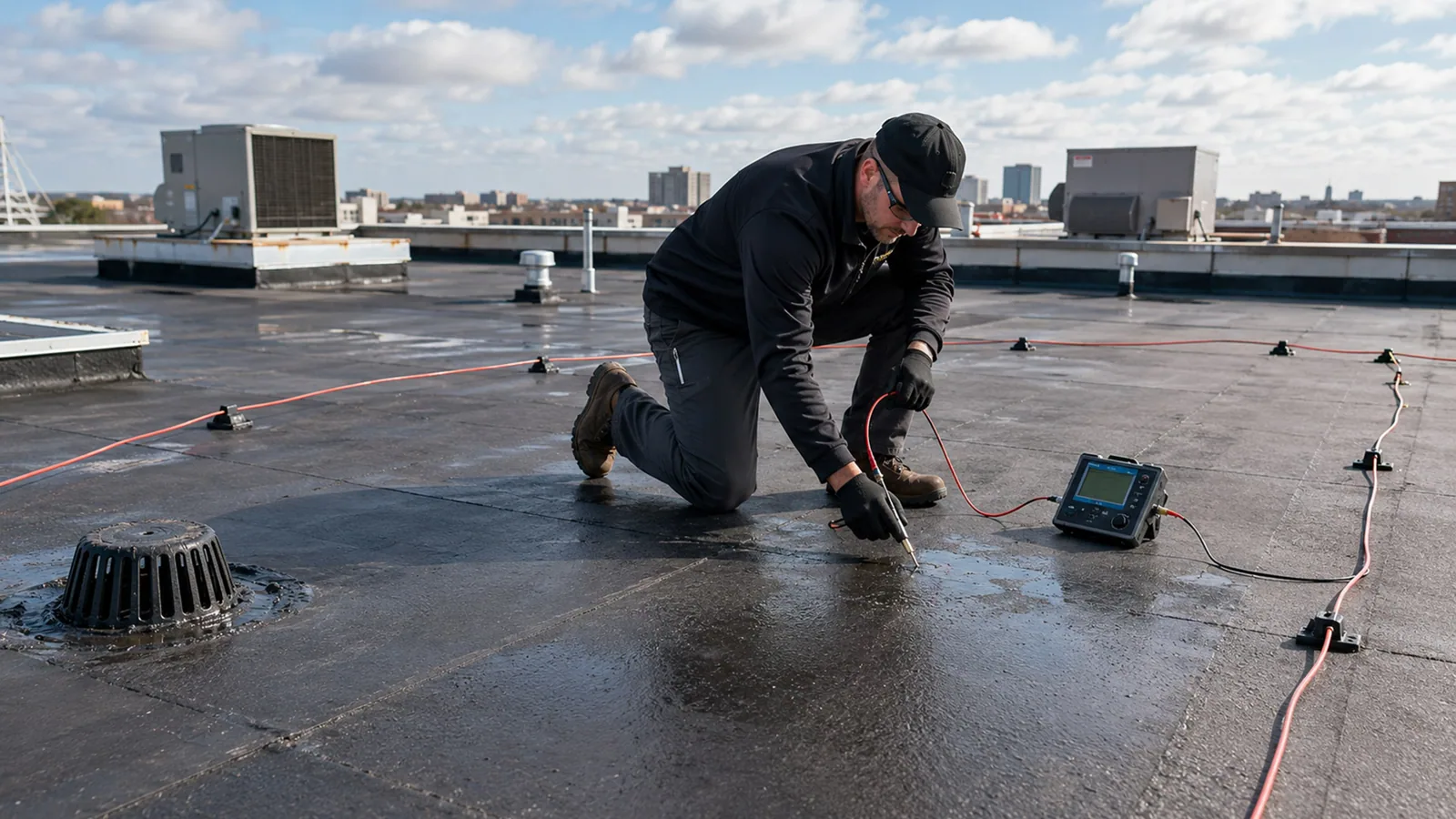
Commercial Roof Inspection in Murrieta, CA
See how this work fits the roof, the building and the schedule.
Learn More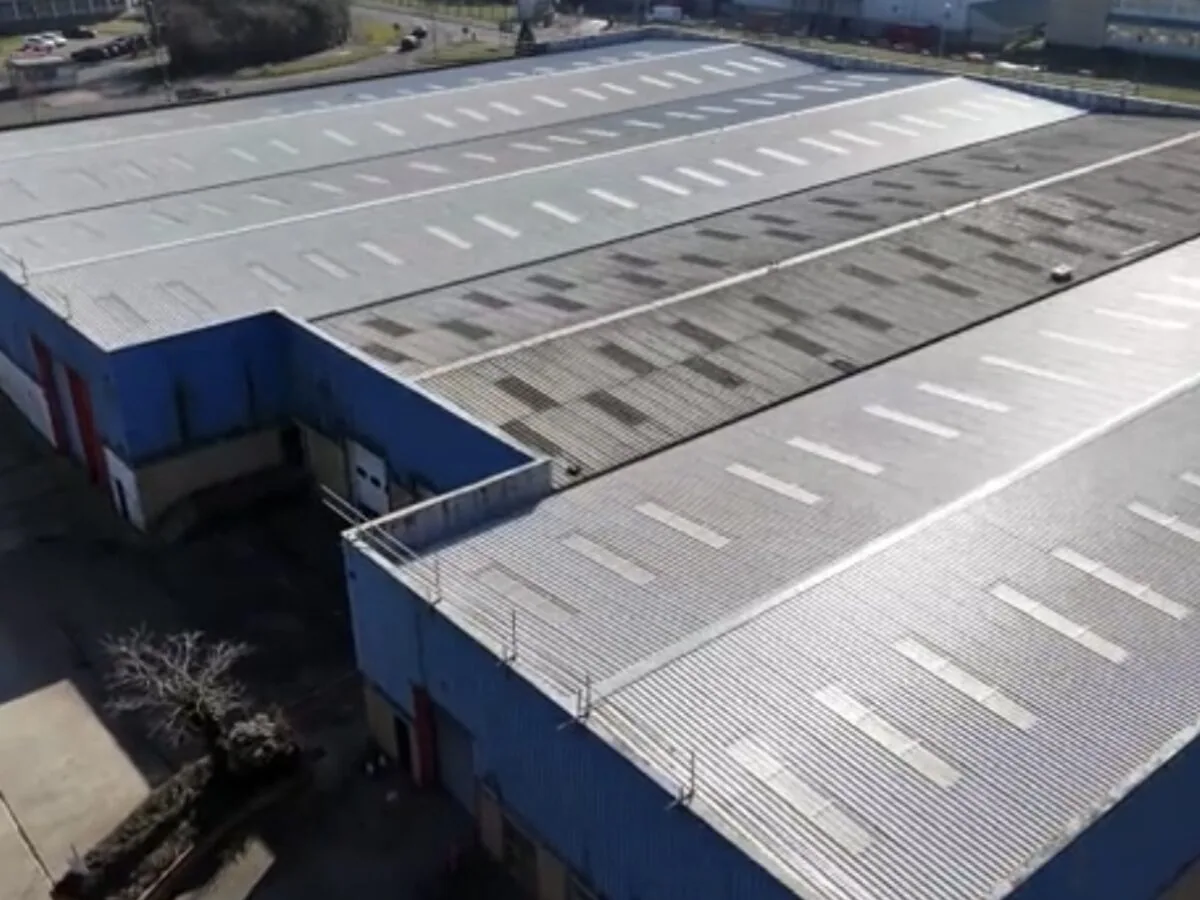
Commercial Roof Leak Repair in Murrieta, CA
Related scope, access notes and questions to ask before work starts.
Learn More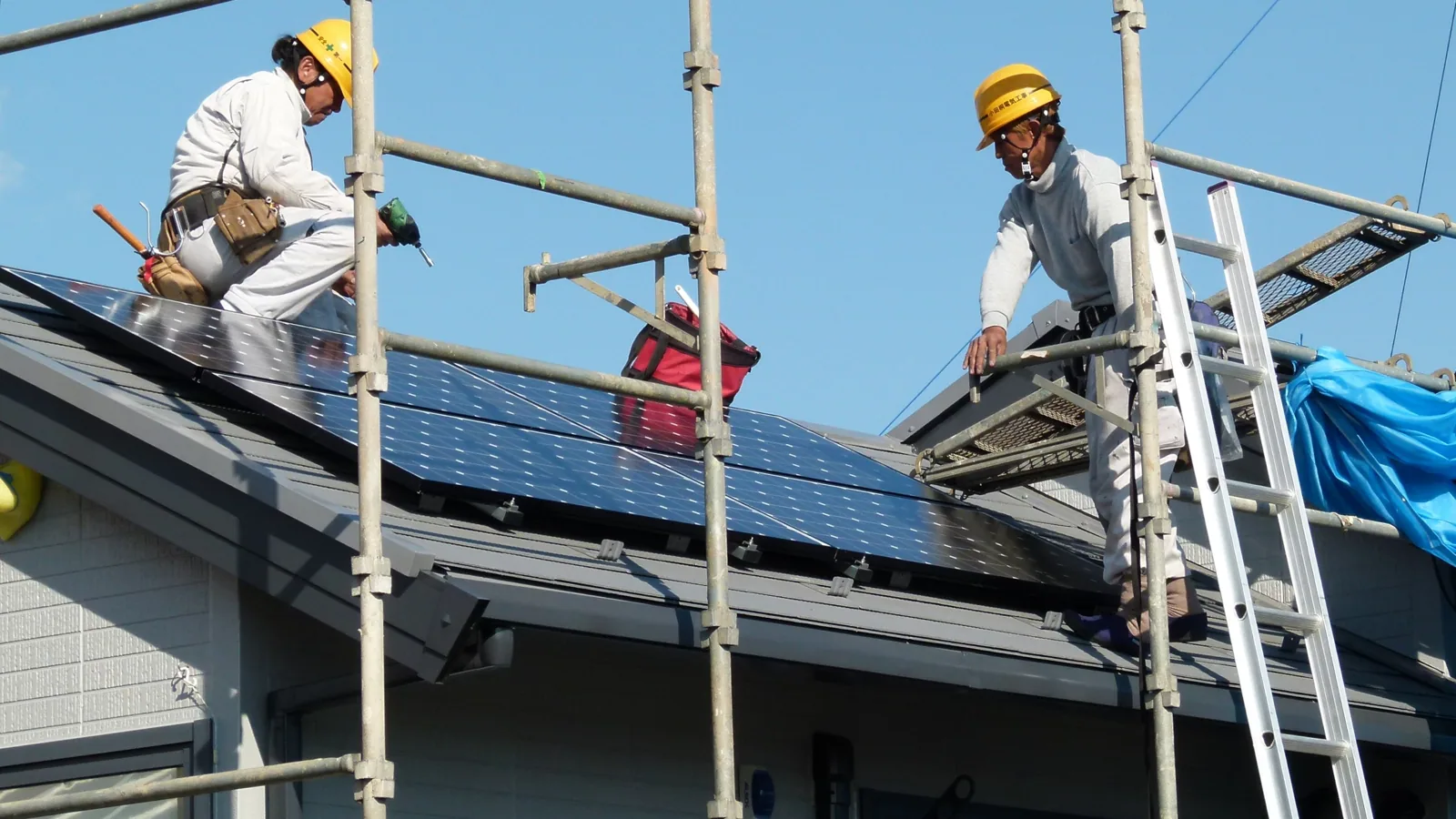
Occupied-Building Commercial Reroofing in Murrieta, CA
Read the full description and the questions owners ask about it.
Learn More
Hotel Roofing in Murrieta, CA
See how this work fits the roof, the building and the schedule.
Learn More
Commercial Roof Drains and Scuppers in Murrieta, CA
Related scope, access notes and questions to ask before work starts.
Learn More
Shopping Center Roofing in Murrieta, CA
Read the full description and the questions owners ask about it.
Learn MorePlan Apartment Roof Work
Arrange a Murrieta roof inspection to review leaks, resident access, drainage and the scope for repair or replacement.