
Sika Sarnafil PVC Roofing in Murrieta, CA
Assess Sika Sarnafil PVC roofing for Murrieta properties, including welds, chemical exposure, perimeter details, drainage, and repair options.
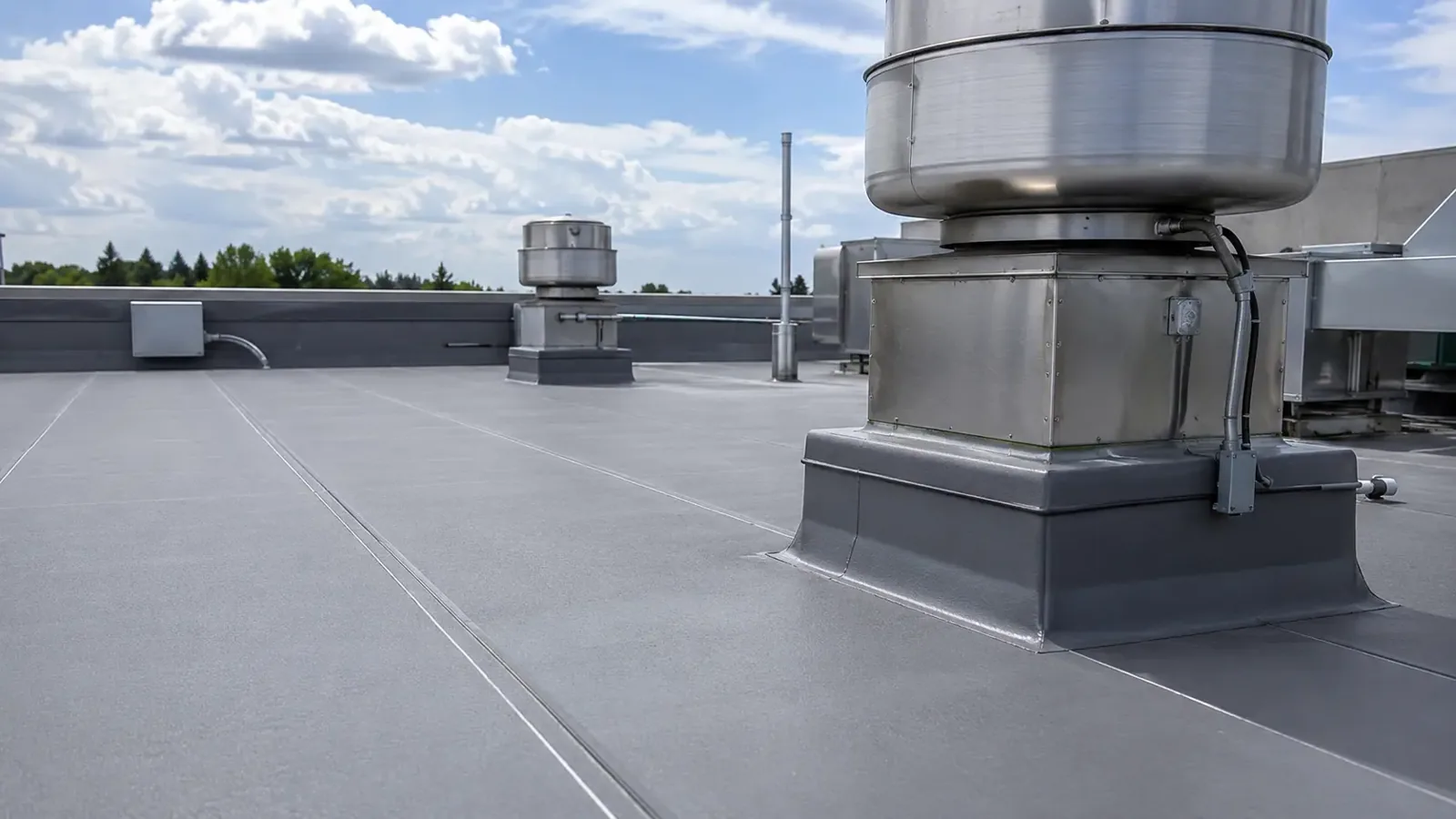
A restaurant exhaust curb can place grease and heat near the roof membrane, while a warehouse may have different exposure and access needs. Sika Sarnafil's commercial roofing line includes PVC membranes, but a system choice should follow what reaches the roof and how the assembly is built. Murrieta's business-park inventory includes more than two million square feet of existing space; the citywide number does not identify roof materials or rooftop use at any one property. We inspect the field sheet, seams, drains, curb flashing, and perimeter before recommending a repair or new assembly. Near the Jefferson-Madison planning corridor, proposed capacity is not a substitute for a building survey. A useful PVC evaluation starts with actual conditions and a repair boundary.
Sarnafil: Let exposure guide the membrane choice
Sika Sarnafil offers PVC roofing membranes in mechanically attached and adhered assemblies. Its S series membrane is polyester reinforced for mechanically attached systems, a design detail that matters when the roof has point loads or equipment paths. PVC may be worth comparing where grease, oils, or chemical exposure are part of the building's operations. We still check the specific product data, deck, attachment, and curb details before naming the system. A PVC roof review compares those conditions with the existing membrane rather than assuming the same chemistry reaches every section.
Murrieta's business-park layouts make rooftop access and material staging part of the welding plan. On a roof near Jefferson and Madison, we map rooftop units and delivery access before material arrives. That district is planned across multiple properties, not evidence of completed building inventory. If the existing system is sound and recover conditions are acceptable, a recover assessment may preserve the existing layer. If the membrane has widespread damage or insulation moisture, the repair boundary can lead to a larger replacement instead of another cover layer.
PVC welds: Follow the sheet through every transition
Heat-welded PVC seams depend on clean material and a controlled weld. We inspect lap edges, field cuts, corners, and patches, then probe the seam after it cools. At a drain, the membrane must connect to the bowl without a loose edge. At a parapet, the term bar, wall flashing, and coping have to work as one transition. A passing field seam does not settle a curb corner where movement has stressed the flashing. We identify whether a problem sits in the sheet, attachment, substrate, or a separate metal detail before selecting repair material.
Wildomar's mobility plan describes I-15 through the city and commercial activity clustered around the route, with another business node near Clinton Keith Road. Those broad city conditions can shape access and timing for a property, but they do not establish the membrane or chemical exposure on that roof. We inspect it. Where curb details dominate the leak history, a penetration and flashing review helps separate field repair from detail work. If the owner is comparing PVC with EPDM, the Carlisle SynTec system should be matched against similar deck, attachment, and exposure requirements.
Roof section: Map chemistry and drainage together
A roof map should show equipment, exhaust, drains, overflow paths, and any location where maintenance staff handle oils or cleaning chemicals. We ask how that area is used and check whether material discoloration, surface softening, or open seams correspond with the exposure. A membrane name alone does not prove compatibility with every substance. Product-specific guidance and the actual concentration and contact pattern matter. We mark the finding and separate it from unaffected areas so the owner can see where a material discussion is relevant and where drainage or traffic is the real concern.
Murrieta's Jefferson-Madison procurement defines a broad planning area with business-park and innovation zoning. That planned use may change over time, but a current building's roof remains the primary evidence for scope. We look for ponding, insulation movement, and points where water bypasses the membrane. A leak investigation traces entry to the field, seam, wall, or penetration. If a wet core is confirmed, the estimate identifies removal and dry-in limits before a new PVC layer is proposed. This keeps chemistry, drainage, and moisture from being collapsed into one generic roof condition.
Repair boundary: Keep compatible materials in place
For a localized PVC repair, the patch must be compatible with the existing membrane and large enough to reach clean, sound material. We remove contaminants, prepare the surface as required, weld or use the specified repair method, and inspect the completed transition. A coating is not a substitute for an open seam or failed flashing unless that coating is designed and specified for the substrate. If repeated leaks appear at multiple roof sections, insulation stays wet, or the membrane has become brittle, a replacement comparison may be more useful than a stack of small patches.
Temecula's business-attraction focus includes advanced manufacturing and medical-device production. A building serving that kind of operation may have roof-mounted exhaust, service paths, or work windows that deserve early coordination. That local sector fact does not describe any particular roof; we verify the equipment and access on site. A drain and scupper check can address water flow, while Soprema provides a comparison point for other documented commercial membrane systems. We keep product alternatives tied to the deck, exposure, seams, and detail conditions that the inspection records.
Work sequence: Protect occupants and exposed sections
On an occupied Murrieta property, PVC work has to fit a daily sequence. We identify material staging, rooftop equipment access, delivery paths, and entrances that remain in use. Then the roof is divided into sections with a known dry-in point.
For a planned repair, we document the affected seam, transition, and adjacent material, then explain what remains outside the boundary. For a reroof, the scope names the membrane, attachment, insulation, cover board, edge metal, and flashing. A claim documentation review can preserve photos and measurements when storm damage is part of the file; it does not determine coverage. If a roof in Temecula needs the same system comparison, we inspect its own substrate and operating routes rather than carrying Murrieta assumptions across the city line.
Commercial Roofing Questions
When is Sarnafil PVC worth comparing with another membrane?
PVC can be worth a closer look where the roof's use includes grease or chemical exposure, but the product and exposure need to match. We inspect the equipment area, drainage, substrate, and existing membrane before comparing a full assembly. Attachment, flashing, and perimeter requirements matter just as much as the field sheet.
What does a reinforced S series membrane change?
Sika describes S series as polyester reinforced and used in mechanically attached systems to resist point loads on the membrane. The assembly still has to match deck and fastening conditions. We verify the roof geometry and equipment paths, then detail where loads or traffic may affect the field sheet.
Can an open PVC seam be repaired without replacing the roof?
Yes, if the surrounding membrane, insulation, and attachment remain serviceable. We prepare clean, sound material, use a compatible patch method, and check nearby transitions. If moisture has spread or failures repeat across sections, the report compares a wider repair with replacement and states what is confirmed versus concealed.
How should a Murrieta building handle a chemical-exposure question?
Identify the roof location, substance, concentration, and how often it contacts the membrane. We compare that pattern with product-specific compatibility information rather than assuming one material resists everything. The Jefferson-Madison planned area does not establish a building's use, so the operations team needs to confirm the actual exposure.
What should happen before a PVC roof section is opened?
Confirm staging, access, equipment coordination, and daily dry-in. We also mark the section and state how concealed wet insulation or deck damage will be reviewed. A clear stopping point protects the occupied space below and gives the owner a decision before work expands.
Related Roofing Work
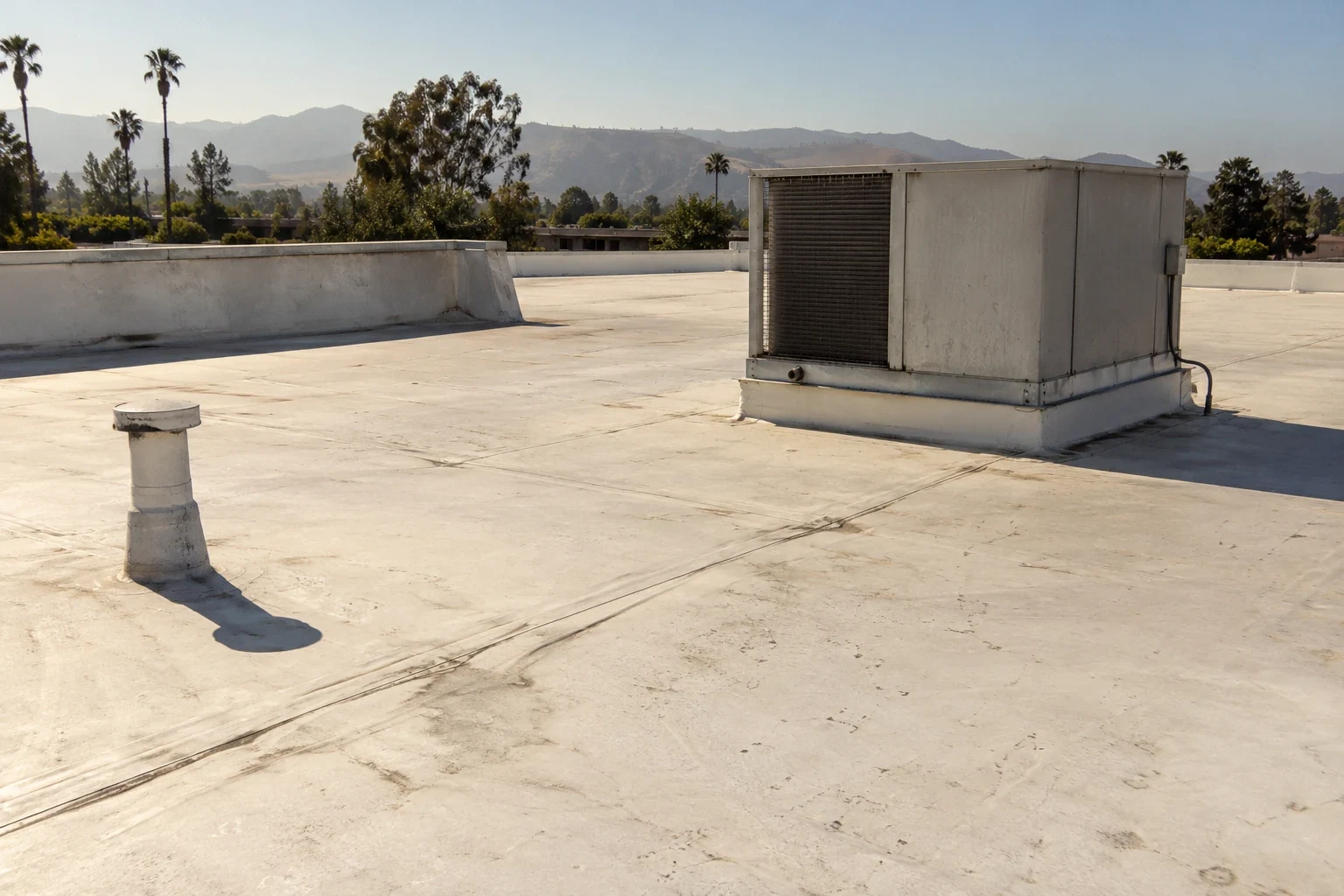
Commercial PVC Roofing in Murrieta, CA
See how this work fits the roof, the building and the schedule.
Learn More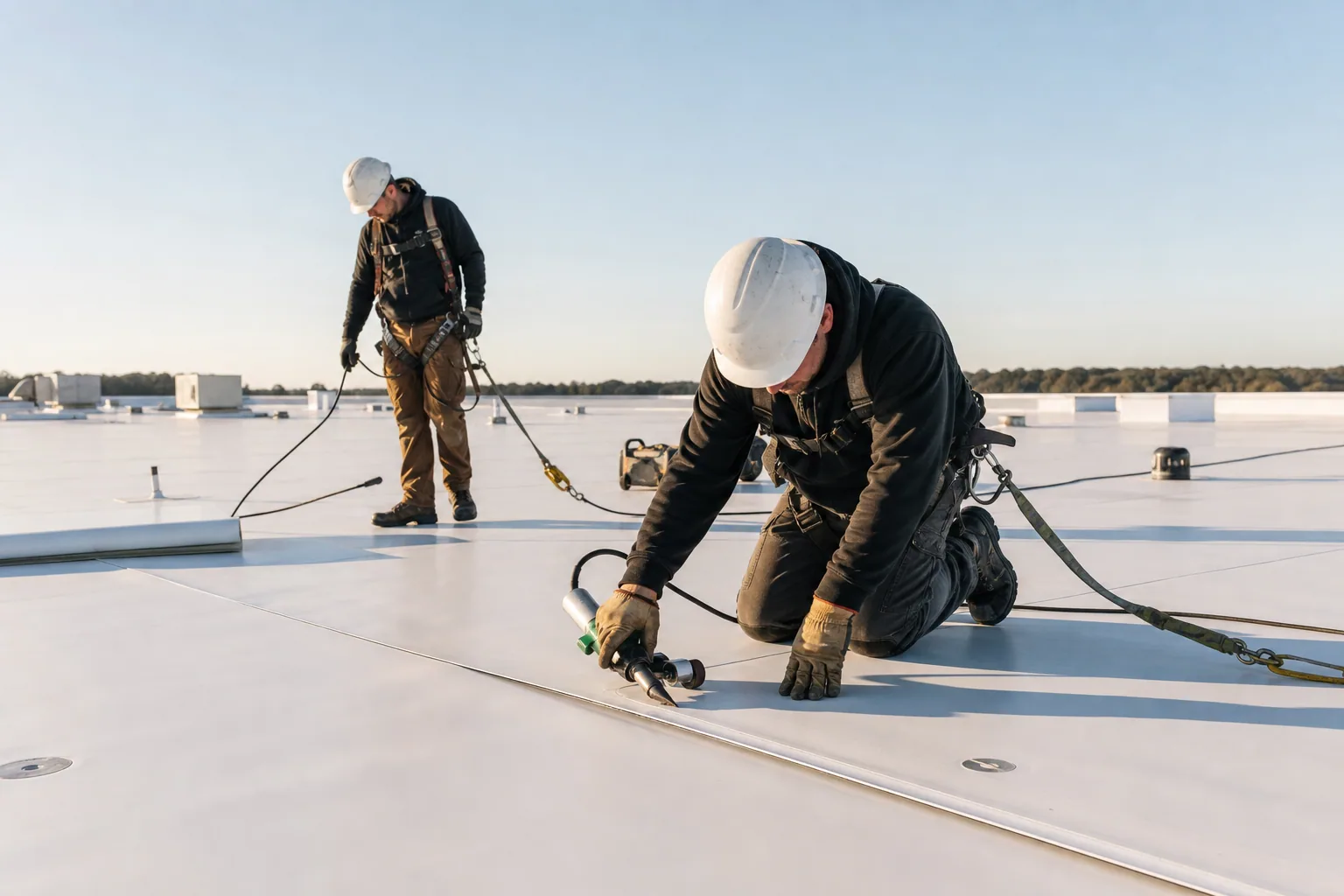
Commercial Roof Recover in Murrieta, CA
Related scope, access notes and questions to ask before work starts.
Learn More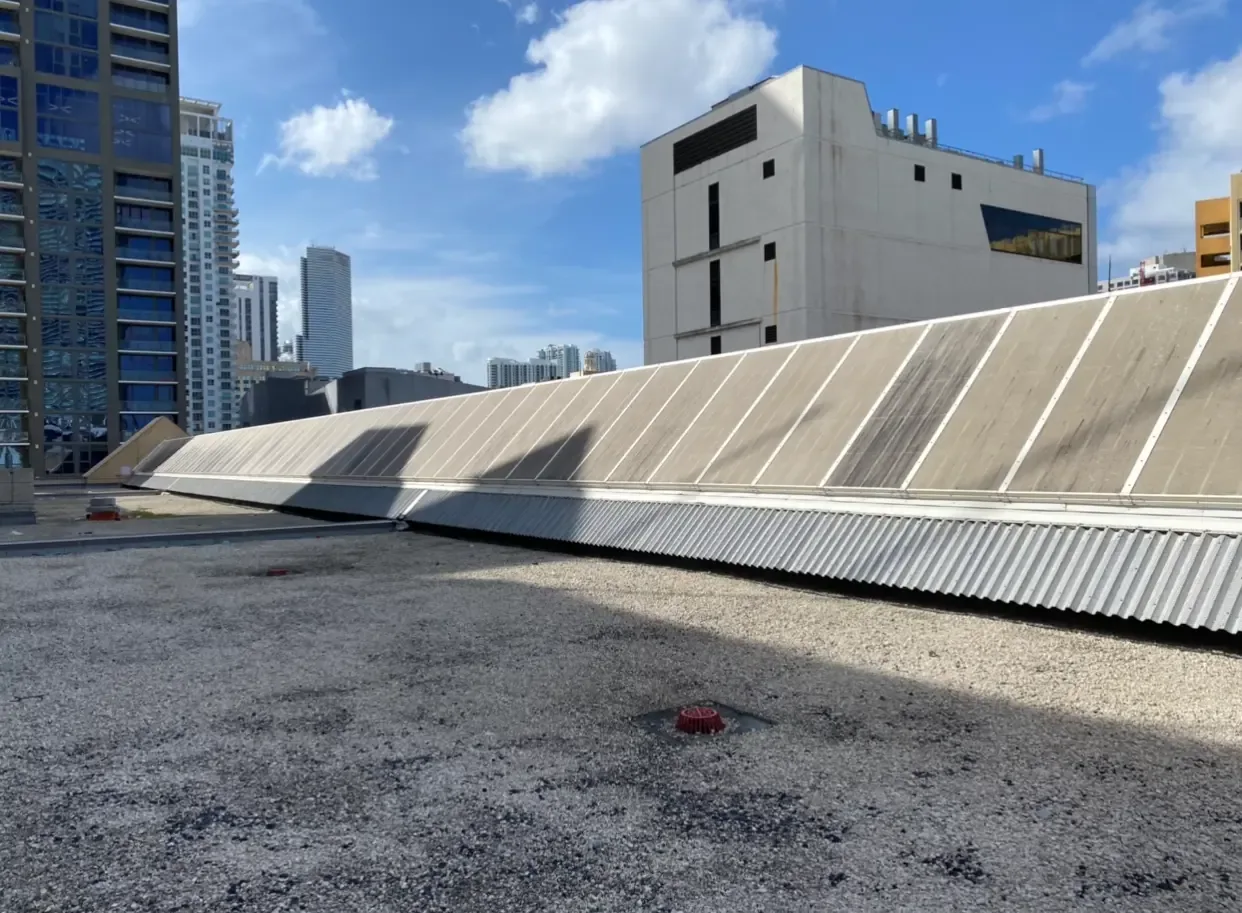
Commercial Skylight and Penetration Flashing in Murrieta, CA
Read the full description and the questions owners ask about it.
Learn More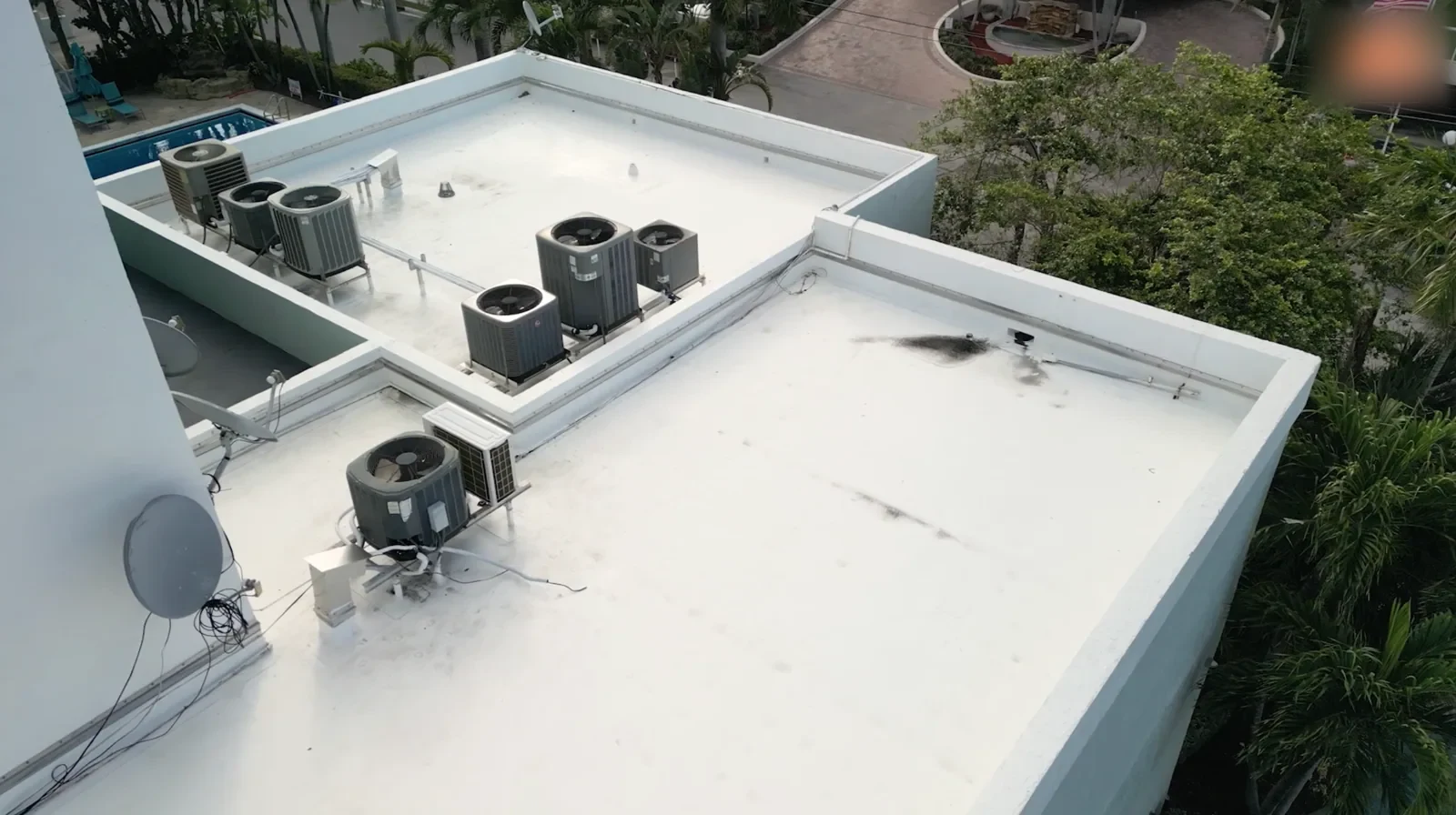
Carlisle SynTec Roofing in Murrieta, CA
See how this work fits the roof, the building and the schedule.
Learn More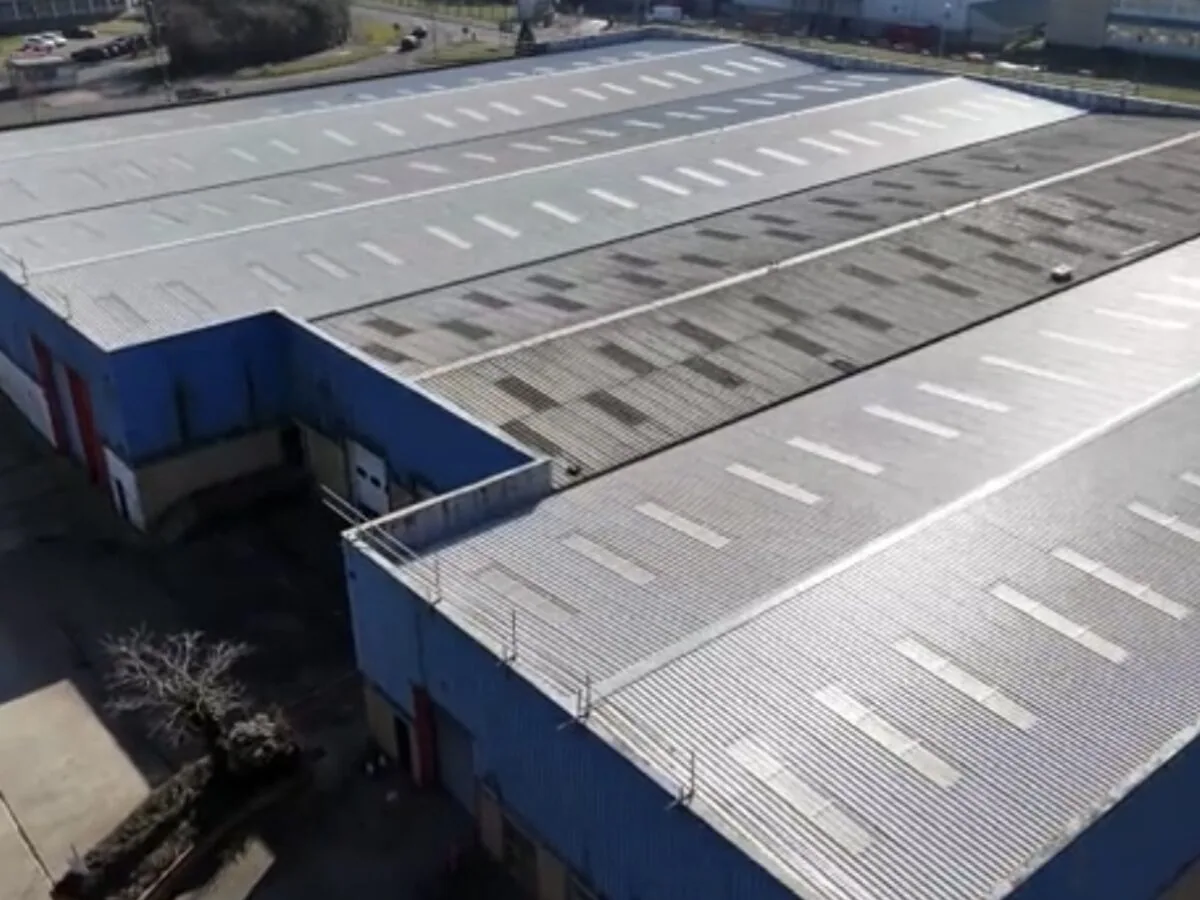
Commercial Roof Leak Repair in Murrieta, CA
Related scope, access notes and questions to ask before work starts.
Learn More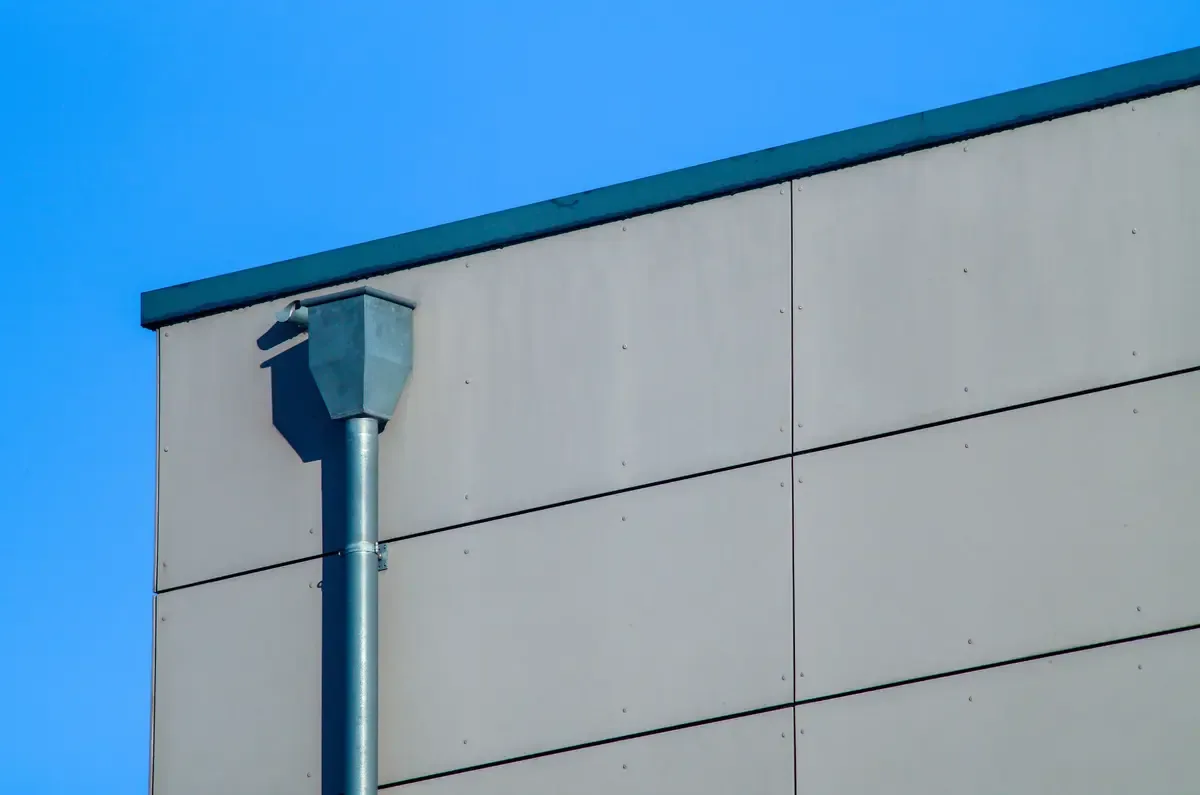
Commercial Roof Drains and Scuppers in Murrieta, CA
Read the full description and the questions owners ask about it.
Learn MoreSarnafil PVC roof review
Arrange a Murrieta roof inspection to check membrane exposure, seam condition, drains, and flashing. We will identify whether repair or replacement needs the next step.