
SOPREMA Commercial Roofing in Murrieta, CA
Review SOPREMA SBS modified-bitumen roof layers, cap sheets, flashing, drainage, and repair conditions for commercial buildings in Murrieta.
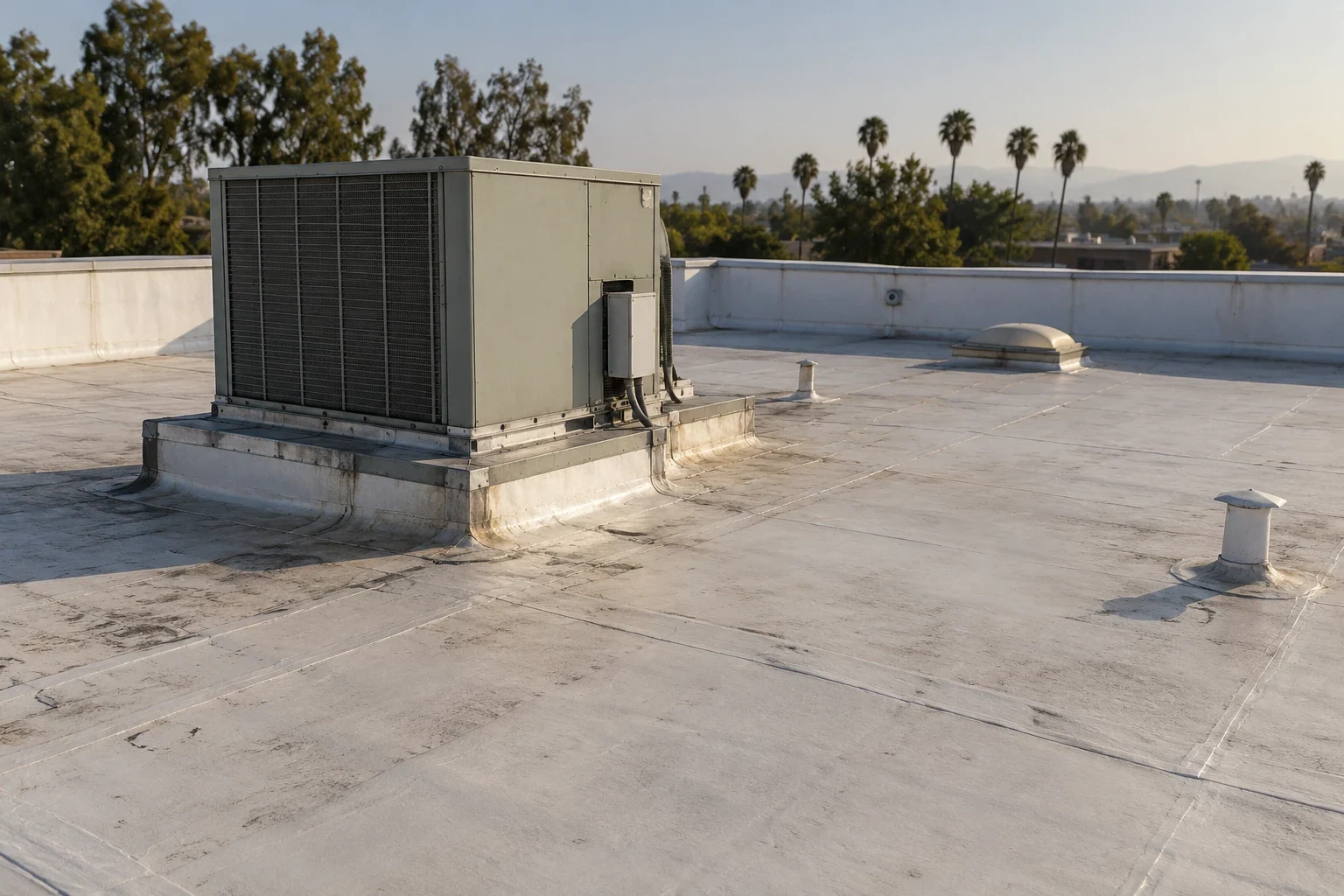
A roof with several membrane layers needs a clear answer before another sheet goes down. SOPREMA offers SBS modified-bitumen products used in multi-ply roofing assemblies, including base and cap sheet materials. The right selection depends on the existing deck, insulation, moisture, drains, edges, and the way the roof is used. We start by mapping those conditions rather than treating a product name as a design. A citywide business-park floor-space figure cannot substitute for measuring one Murrieta roof, and Jefferson-Madison remains a planned employment district rather than a completed roof survey. The roof itself determines whether a repair, recover, or replacement is appropriate.
Layer review: Follow the assembly from deck to cap
SBS modified bitumen combines asphalt with styrene-butadiene-styrene polymer. In a multi-ply assembly, a base or base ply works with overlying plies and a cap sheet; each layer must be compatible with the specified system. SOPRALAST 50 TV ALU is a field or flashing cap sheet with a glass-fiber scrim and reflective aluminum facer. That product detail matters at seams, terminations, and exposed transitions, but it does not establish a complete roof specification by itself. We document the existing materials, deck, slope, insulation, and edge condition before comparing a new assembly. A modified-bitumen system review helps frame the layer sequence and surface needs.
On a Murrieta business-park roof, equipment rows, access paths, and roof sections can complicate tear-off and staging. The reported square footage covers citywide business-park floor space, not roof area or assembly type. We measure the property in front of us and note which sections remain occupied below. A recover evaluation checks whether the existing layers are dry, firmly attached, and within the allowed build-up. If wet insulation, loose plies, or failed drainage are present, adding another layer can leave the underlying cause in place. The recommendation should state what was found and what must be removed.
SBS detail: Match the surface and application
Different SOPREMA sheets have different roles and installation methods. SOPRALAST 50 TV ALU is a heat-welded cap sheet; other product families include SBS membranes intended for base, attachment, or flashing applications. A cap sheet cannot substitute for every ply, and a product data sheet is not a whole-roof design. Before work, the proposal should identify each layer, its attachment or application, the substrate, the manufacturer detail, and the compatible flashing approach. It should also make the tie-in sequence clear where work meets an older section. A crew opening a roof should know where temporary dry-in begins, how water is kept away from unfinished edges, and what condition triggers a stop for owner review. Those details matter on occupied business properties because the work area can move while rooms below remain in use. We identify staging, daily cleanup, and access boundaries before the first layer is removed. We also check the roof's condition where old repairs, coatings, or incompatible materials may affect adhesion or heat-weld work. The assembly decision should follow field conditions and approved system documents.
Temecula's business-attraction focus includes advanced manufacturing and medical-device production. For a nearby production building, the owner may need a clear plan for deliveries, equipment access, and areas that stay operational while roofing is underway. That local economic detail is not a description of any single roof. A drain and scupper review can establish where standing water, drain height, or blocked flow affects the membrane layout. Where edge conditions need work, coping and edge-metal detailing should be coordinated with the ply terminations so water does not bypass the field membrane.
Flashing and drainage: Close the edges before the field
Many leak paths begin where the roof meets a wall, curb, drain bowl, hatch, pipe, or equipment support. We trace each transition and record whether the flashing is bonded, fastened, cracked, or bridged over an older repair. A cap sheet may form part of a flashing detail, but the base, substrate, height, and termination must also work together. At a drain, we check the bowl, clamping ring, strainer, and surrounding slope. Water marks inside can help identify a path, though the visible stain may sit away from the opening. Photographs and a roof plan give the owner a location-specific record.
The roughly 220-acre Jefferson-Madison planned area covers a broad employment district. That context can shape access questions but does not establish completed construction or a particular roof system. Wildomar's street pattern is divided by I-15, so a material drop there should be routed to the actual loading access rather than assumed from a map pin. We schedule work around the actual property's tenants, deliveries, and roof access. A commercial roof inspection can document seams, penetrations, and drainage before a repair scope is set. If the field sheet and underlying plies are sound, a localized repair may be sufficient. If separation or saturation extends across a section, the estimate should show that boundary instead of promising a surface-only fix.
Maintenance notes should identify which drain baskets were cleared, where debris was found, and whether water remained after the roof had time to drain. A surface-level observation does not confirm the condition of concealed insulation. When access is limited, record that limit and return to the area when the owner can provide a safe route. A future repair then starts with useful observations rather than a guess based on an interior stain.
Repair scope: Separate a patch from a renewal
A small puncture or open seam may be repairable when the material around it remains stable and compatible. A loose cap sheet, wet insulation, repeated patching, or failed flashing can require more work. We mark the repair limits, identify the proposed materials, and note any concealed condition that could change the scope after opening. On an SBS roof, heat application requires trained handling, fire controls, suitable weather, and protection around penetrations and occupied areas. Those work controls belong in the site plan. We do not assume that an exposed cap sheet proves the plies below are dry or secure.
When roof renewal is considered, the comparison should separate tear-off, recover, and targeted repair instead of blending them into one allowance. A Johns Manville system comparison and Carlisle SynTec overview can help an owner see how proposed assemblies differ, while the final selection still depends on project documents and roof conditions. For buildings near Temecula, access and staging should be planned around the site rather than assumed from the city name. A good closeout records the installed layers, flashing work, repair locations, and any section left outside the scope.
Commercial Roofing Questions
What is SBS modified bitumen?
It is asphalt modified with styrene-butadiene-styrene polymer and supplied as roofing sheets. In a multi-ply roof, the base, intermediate, and cap layers have different jobs, so the selected product and sequence must match the system design.
Is SOPRALAST 50 TV ALU a complete roof system?
No. It is a cap-sheet product used within a roofing assembly. The deck, insulation, base plies, attachment, flashing, edges, and drainage still need to be specified for the building.
Can a SOPREMA roof go over an existing roof?
A recover may be considered only after checking moisture, attachment, layer count, deck capacity, drain height, and applicable requirements. A roof with wet or unstable materials may need selective removal or a tear-off instead.
What should a repair proposal identify?
The document should show the roof area, existing materials, repair boundary, proposed compatible products, flashing details, access controls, and how concealed conditions will be handled. That makes a patch easier to distinguish from a broader renewal.
Does Murrieta business-park floor space show how much roofing is present?
No. The citywide figure describes existing floor space, not roof area, building count, or membrane type. A project needs its own measurements and condition review before material quantities are set.
Related Roofing Work
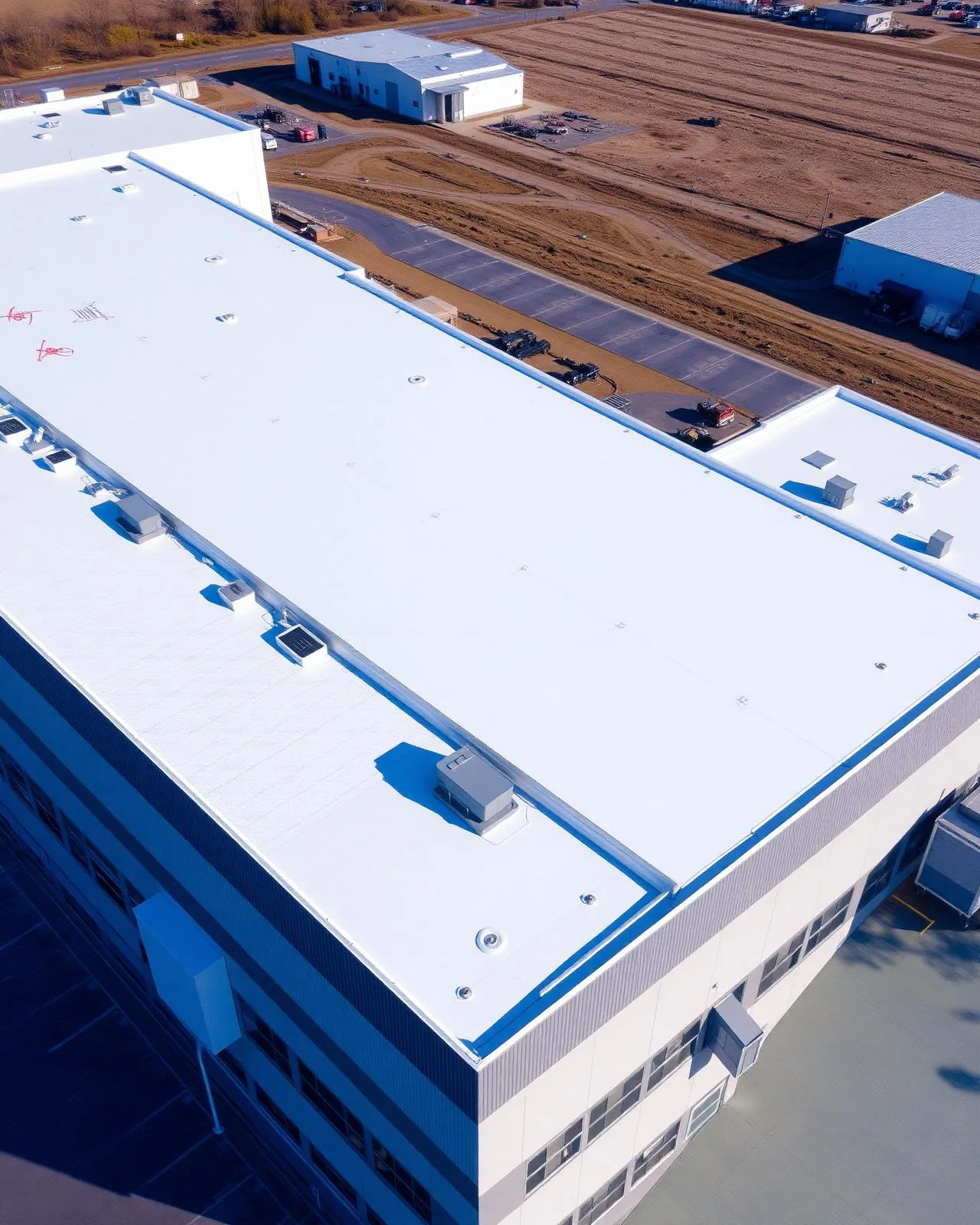
Commercial Modified Bitumen Roofing in Murrieta, CA
See how this work fits the roof, the building and the schedule.
Learn More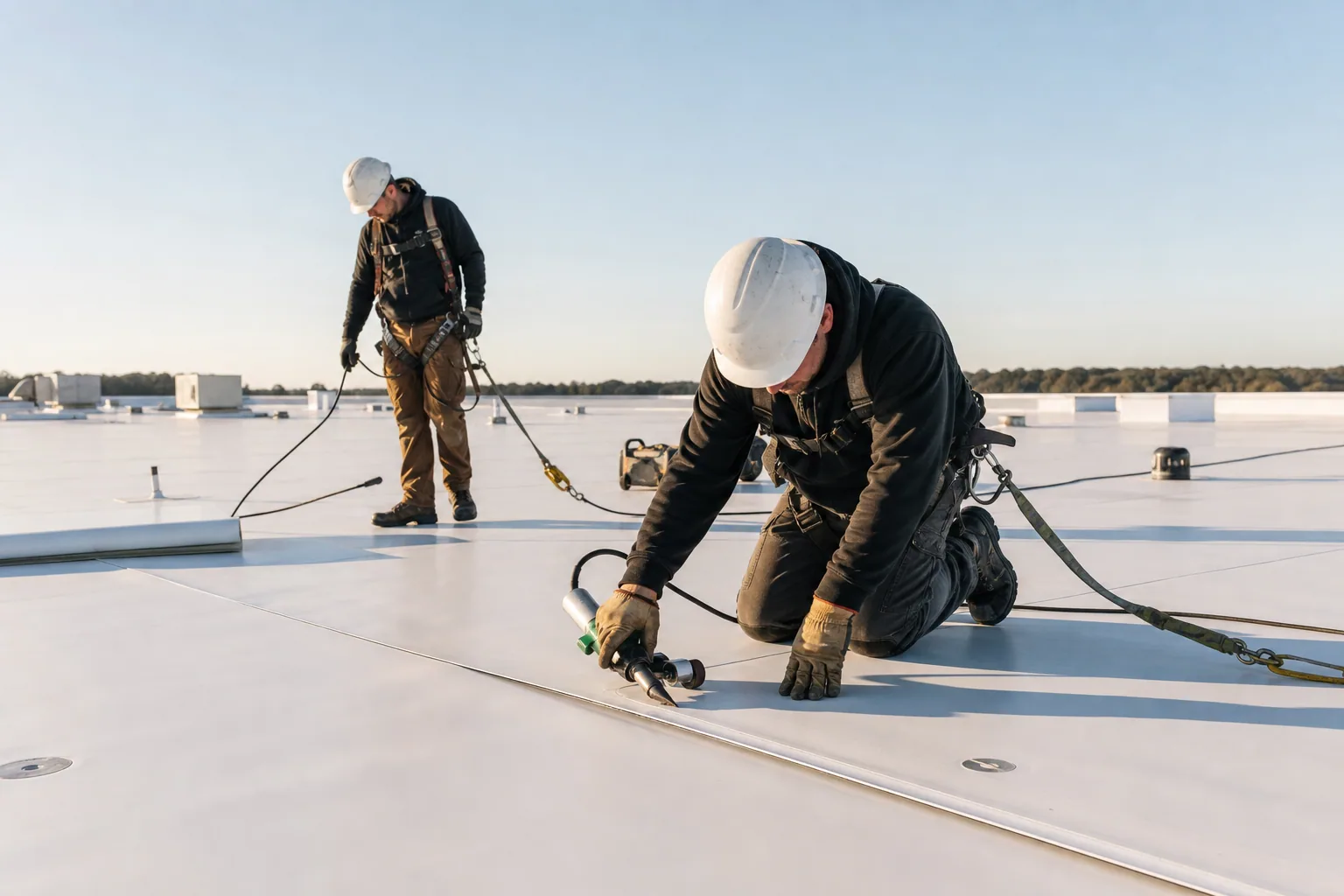
Commercial Roof Recover in Murrieta, CA
Related scope, access notes and questions to ask before work starts.
Learn More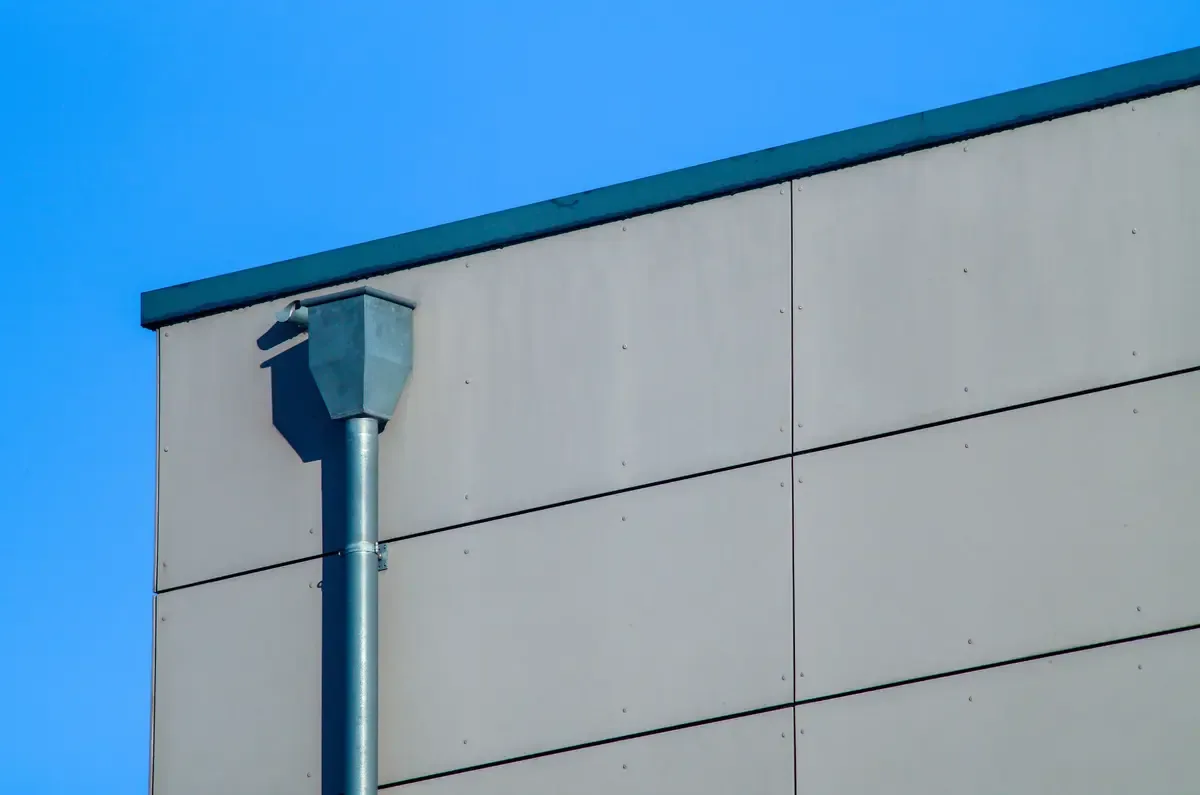
Commercial Roof Drains and Scuppers in Murrieta, CA
Read the full description and the questions owners ask about it.
Learn More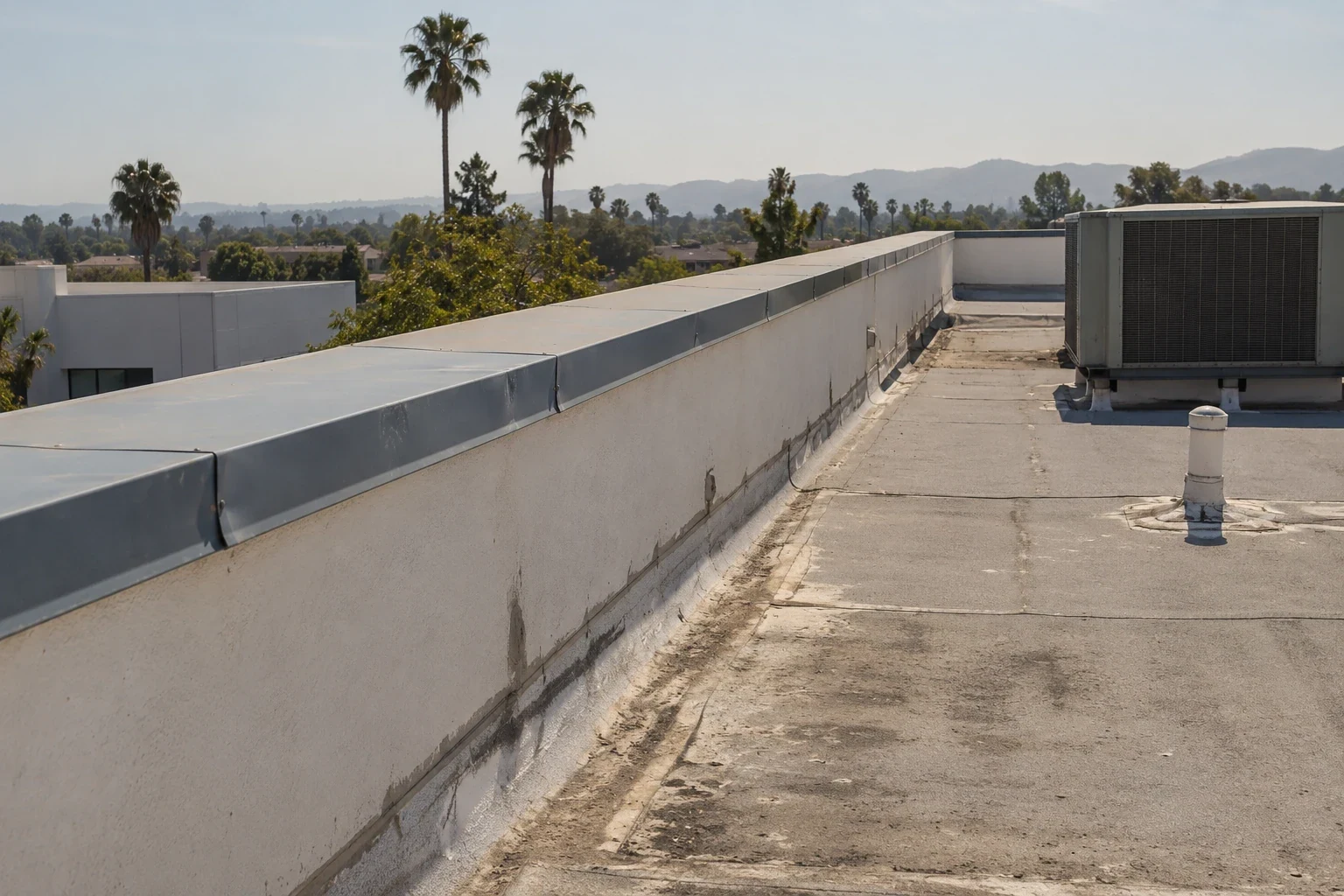
Commercial Roof Edge Metal, Coping and Gutters in Murrieta, CA
See how this work fits the roof, the building and the schedule.
Learn More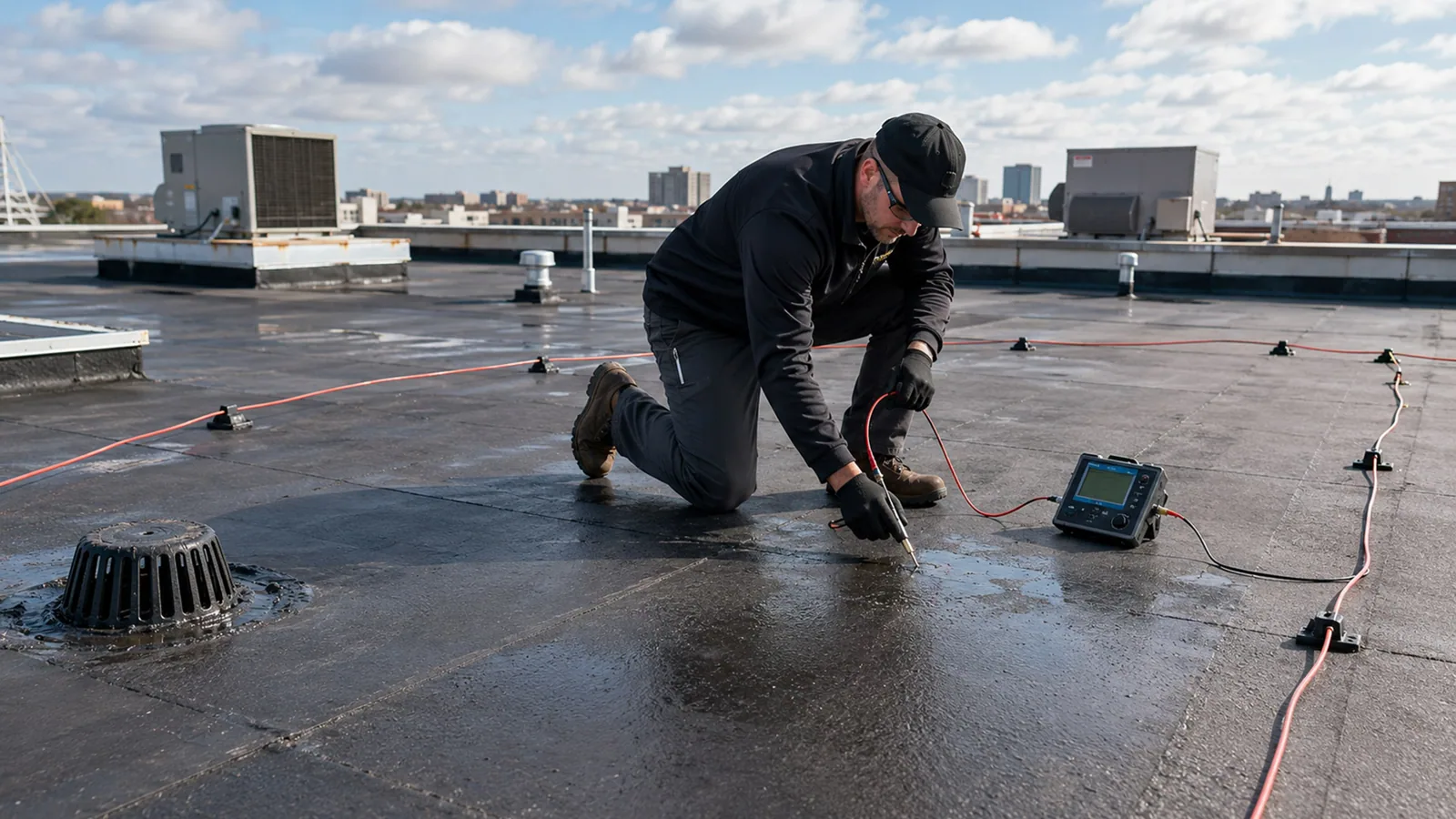
Commercial Roof Inspection in Murrieta, CA
Related scope, access notes and questions to ask before work starts.
Learn More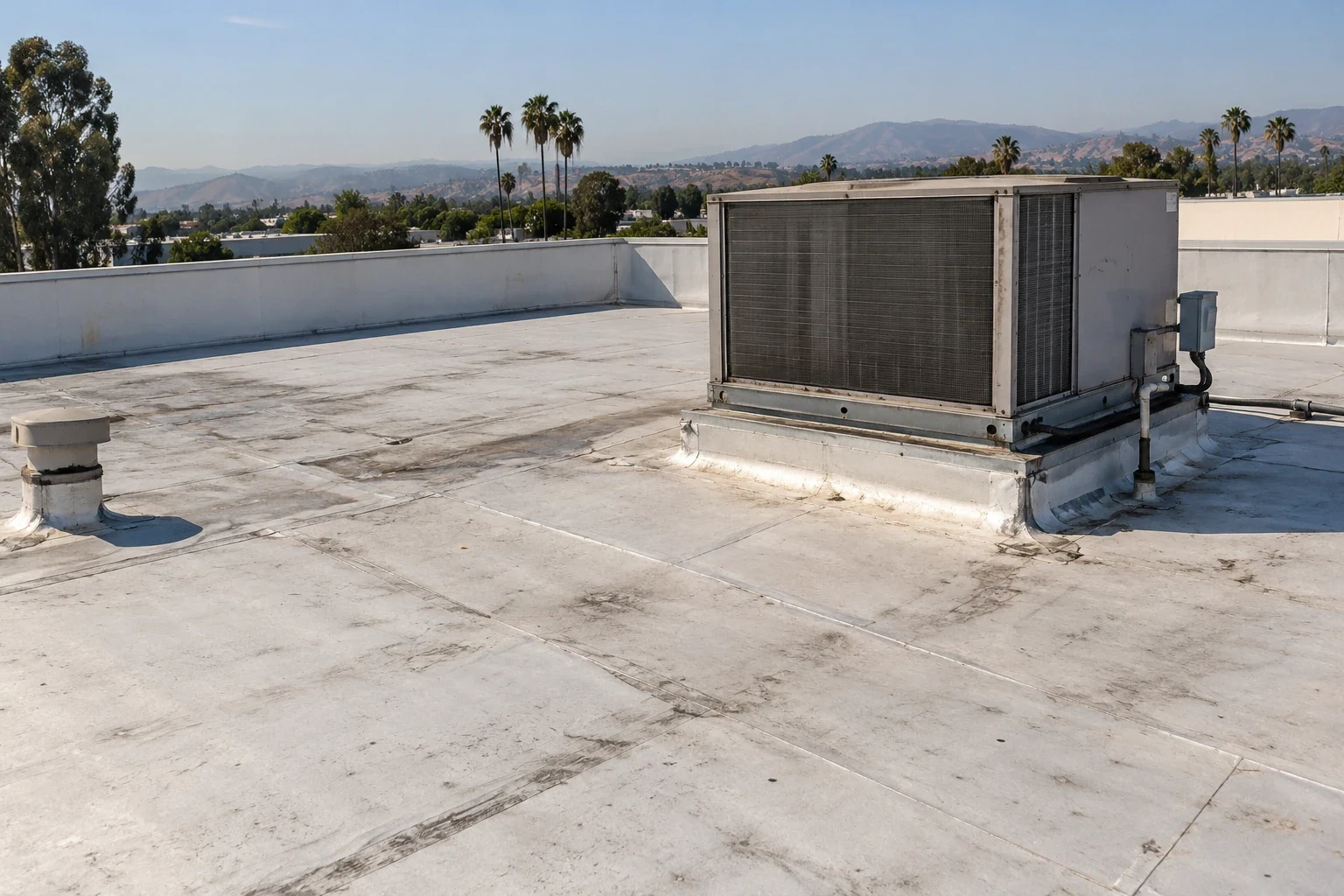
Johns Manville Commercial Roofing in Murrieta, CA
Read the full description and the questions owners ask about it.
Learn MoreReview a SOPREMA roof assembly
Arrange a Murrieta roof review to document existing layers, drainage, edges, flashing, and access. We can compare repair, recover, or replacement scope against the conditions found on the building.