Holcim Elevate Roofing Systems in Murrieta, CA
Review Holcim Elevate roof systems for Murrieta properties, including membrane selection, substrate condition, drainage, attachment, and work staging.
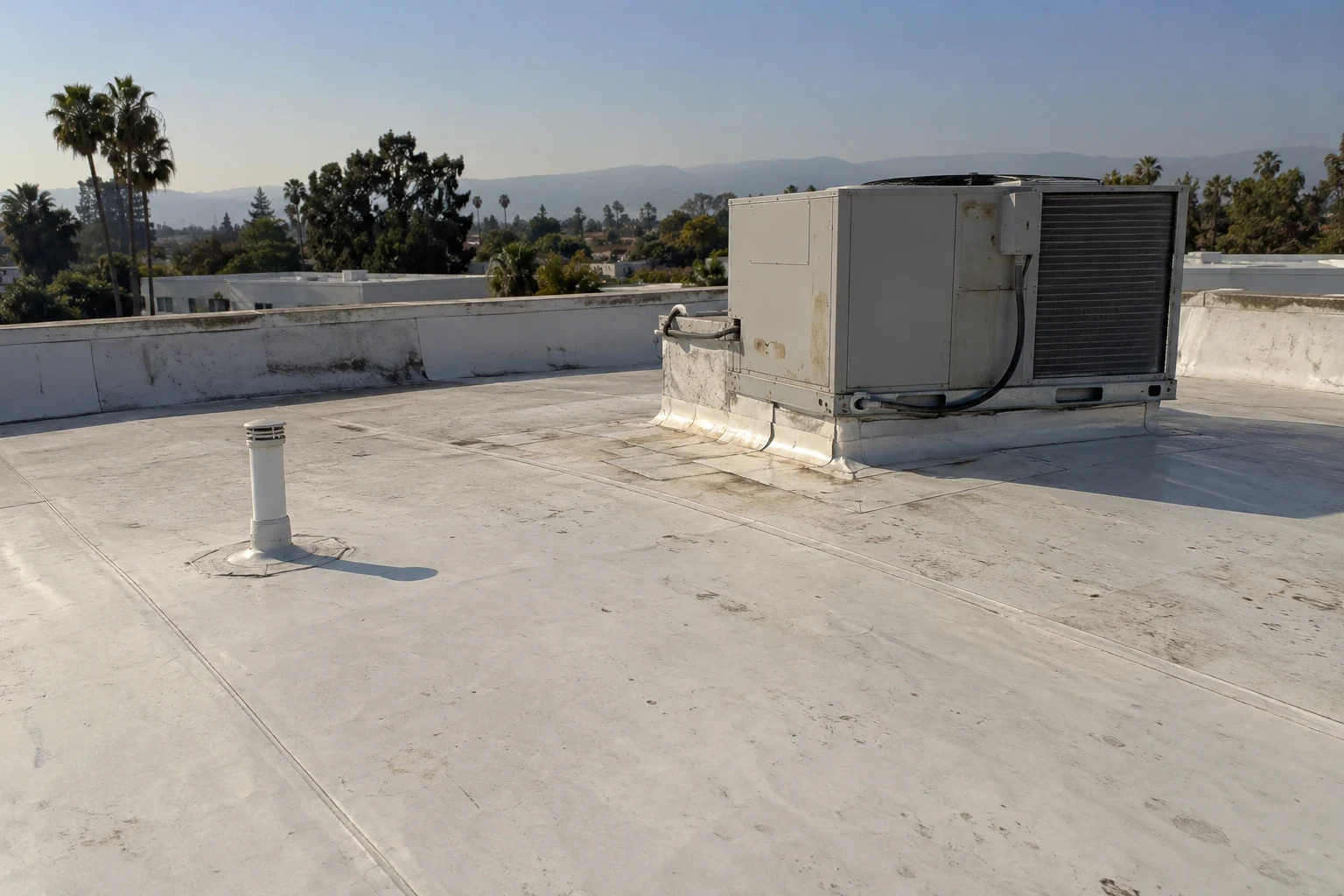
A roof with a soft spot beside a drain needs more than a membrane name. Holcim's commercial portfolio includes UltraPly TPO and RubberGard EPDM options, but the right choice depends on the existing layers, attachment, insulation, and the work the building must keep doing. Existing business-park space in Murrieta exceeds 2M sq ft, a citywide total that cannot identify any one roof assembly. A property near the Jefferson-Madison corridor still needs its own survey before a replacement or recover is drawn. We check the deck and membrane, trace the drain path, mark penetrations, and identify where water has reached the insulation. That gives the owner a system comparison tied to actual conditions rather than a product-family label.
UltraPly: Start with the thermoplastic layer
UltraPly TPO is a reinforced membrane for low-slope commercial roofing applications. The sheet is heat-welded at laps and details, so surface cleanliness and field technique affect the seam. We look for open welds, stressed corners, poor terminations, loose flashing, and damage around rooftop traffic. A TPO field can remain sound while water enters at a curb or drain ring. The inspection separates those conditions before the proposal names a repair or replacement. When a second assembly is on the table, compare the TPO roof system with the building's actual deck, slope, insulation, and fastening pattern.
Murrieta's existing business parks contain varied property layouts, so the work window and material staging are set from the specific roof and access route. For a building in the Jefferson-Madison planning area, do not infer completed inventory from the corridor's planned capacity. Check the existing roof, curbs, and occupied space. A recover review tests whether the old system can remain below a new layer. If moisture extends through the insulation or the deck is weak, replacement planning should identify removal and repair limits.
RubberGard: Compare the flexible membrane route
RubberGard EPDM creates a different system decision from TPO. Holcim Elevate lists reinforced EPDM products, including RubberGard MAX, for tear and puncture resistance. EPDM seams are generally joined with approved tapes or adhesives rather than hot-air welding, and flashing details use compatible uncured or molded components. We inspect seam edges, adhesive condition, field cuts, and transitions at walls before patching. If the building has a membrane that needs to stretch around equipment and curbs, flexibility may matter. The actual choice still requires review of temperature exposure, rooftop traffic, chemical contact, and required repair methods.
Wildomar's mobility plan identifies a commercial and office cluster around I-15 and a business node near Clinton Keith Road. That broad geography does not tell us what a particular roof uses, but it reminds owners to account for loading and access when comparing systems in the neighboring city. A roof inspection records those needs and checks the membrane's attachment and transitions. If the roof sees grease or other chemicals, a PVC option may deserve a separate comparison. Each material requires compatible details and a repair method that matches the existing sheet.
Water path: Protect the layers beneath the membrane
Standing water can point to a blocked drain, a low insulation panel, a deflected deck, or a combination of conditions. We map ponding, check drain strainers and clamping rings, and look at overflow paths before new material hides the surface. At a parapet, we inspect the termination and coping. At an HVAC curb, we check metal, fasteners, and membrane turns. If a roof core or other approved test shows wet insulation, the affected area is marked before it is removed or enclosed. A new membrane cannot dry out a saturated layer below it.
The Jefferson-Madison area is planned across multiple properties, but each roof still has its own drainage and access. We document the finding by section so a manager can compare urgency, repair boundary, and remaining work. A drain and scupper assessment distinguishes a cleaning need from a slope correction. If water appears inside, a leak investigation traces it back through seams, walls, or penetrations. That evidence helps decide whether local repair, recover, or removal is the more responsible next step.
Assembly decision: Compare more than membrane color
UltraPly TPO and RubberGard EPDM should be compared as complete roof assemblies, not as two swatches. We set out attachment, insulation, cover board, edge treatment, flashing, and drainage corrections alongside the membrane. A light surface may reflect sunlight, but no color can compensate for wet insulation, an unsealed curb, or poorly secured perimeter. The building's rooftop equipment and maintenance routes also matter. The final detail has to be buildable on the actual deck and compatible with the project requirements. Warranties and manufacturer's inspection requirements stay separate from our physical condition findings.
For new permit submittals beginning January 1, 2026, Murrieta Building and Safety applies the newly adopted 2025 California building codes. A permitted roofing project still needs a scope-specific review. That does not select a product by itself. For a repair that preserves a sound assembly, a maintenance schedule can track seams, drains, and curb flashing. If the work affects a multi-tenant property in Temecula, access plans and the daily dry-in boundary need to be part of the estimate, not left for the crew to solve after tear-off begins.
Work staging: Leave each shift with a dry-in plan
A roof section opened at the start of a shift must have a safe stopping point. We confirm the material lift route, staging location, equipment shutdowns, delivery windows, and how temporary dry-in will protect the building at day end. Murrieta's business-park properties can have different operating schedules, and citywide space totals do not establish whether a building is occupied or when its loading area is free. We ask for the site's constraints and mark each roof section before work begins. On a recover, raised edges, drains, and curb heights are checked before any new layer goes down.
The estimate should distinguish base work from concealed deck repair and explain how additional damage is approved. It should list the exact membrane family, attachment, insulation, cover board, perimeter, and flashing details. A comparison with Sika Sarnafil or Johns Manville is useful when it shows what changes in the assembly and repair method. It is less useful when it reduces the decision to a brand ranking. An inspection in Temecula should likewise be based on that property's drainage, deck, and operation, not borrowed Murrieta assumptions.
Commercial Roofing Questions
When would UltraPly TPO be compared with RubberGard EPDM?
Compare them when the roof's existing assembly, attachment, exposure, and repair needs leave both systems plausible. UltraPly uses heat-welded seams; EPDM uses compatible seam tapes or adhesives. We inspect the deck, penetrations, roof traffic, and chemical exposure before recommending one approach. The best comparison names the complete assembly, not only the sheet material.
Does the membrane make a recover possible?
The membrane does not decide that question. We check how many layers exist, whether insulation is wet, if the deck is sound, and whether drains and curbs can accept added height. A new assembly must meet applicable code and attachment requirements. The Jefferson-Madison corridor's planned capacity says nothing about a particular building's existing roof.
How are TPO seams checked after installation?
We keep the lap clean before welding, check the weld after it cools, and probe the seam rather than relying on appearance alone. Corners, curb transitions, and terminations need their own inspection because field-sheet quality does not confirm a wall or drain detail.
What should a Murrieta owner know about code timing?
Permit work submitted under the 2025 edition requires the assembly details to match the current local review. We identify membrane, insulation, and attachment early so those questions can be resolved before material is ordered.
How should work be phased over active business space?
Confirm staging, access, loading routes, equipment coordination, and daily dry-in before the roof is opened. We divide the roof into sections and leave each with a clear stopping point. Concealed deck or insulation issues are documented for approval instead of being folded into an undefined allowance.
Related Roofing Work
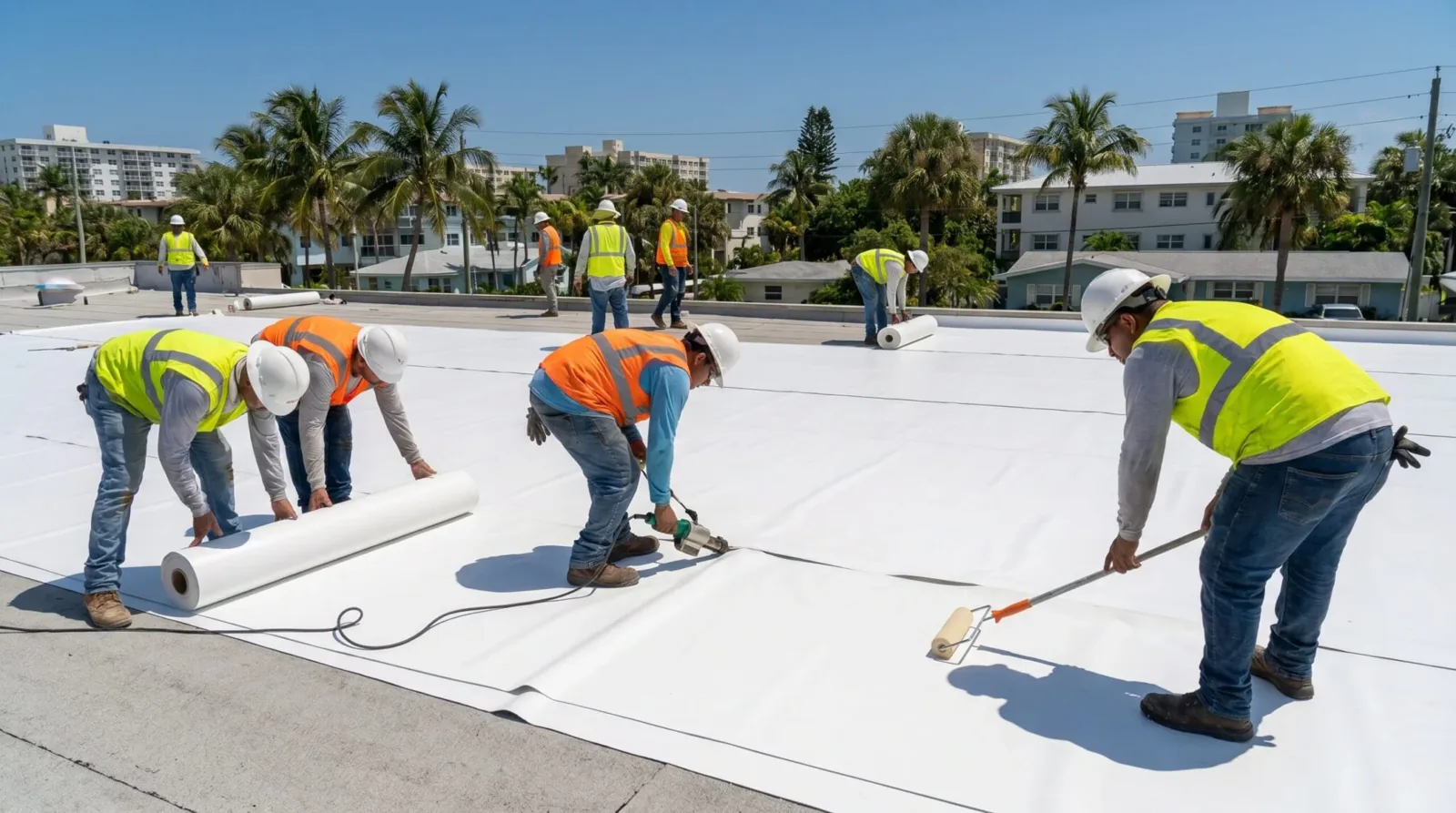
Commercial TPO Roofing in Murrieta, CA
See how this work fits the roof, the building and the schedule.
Learn More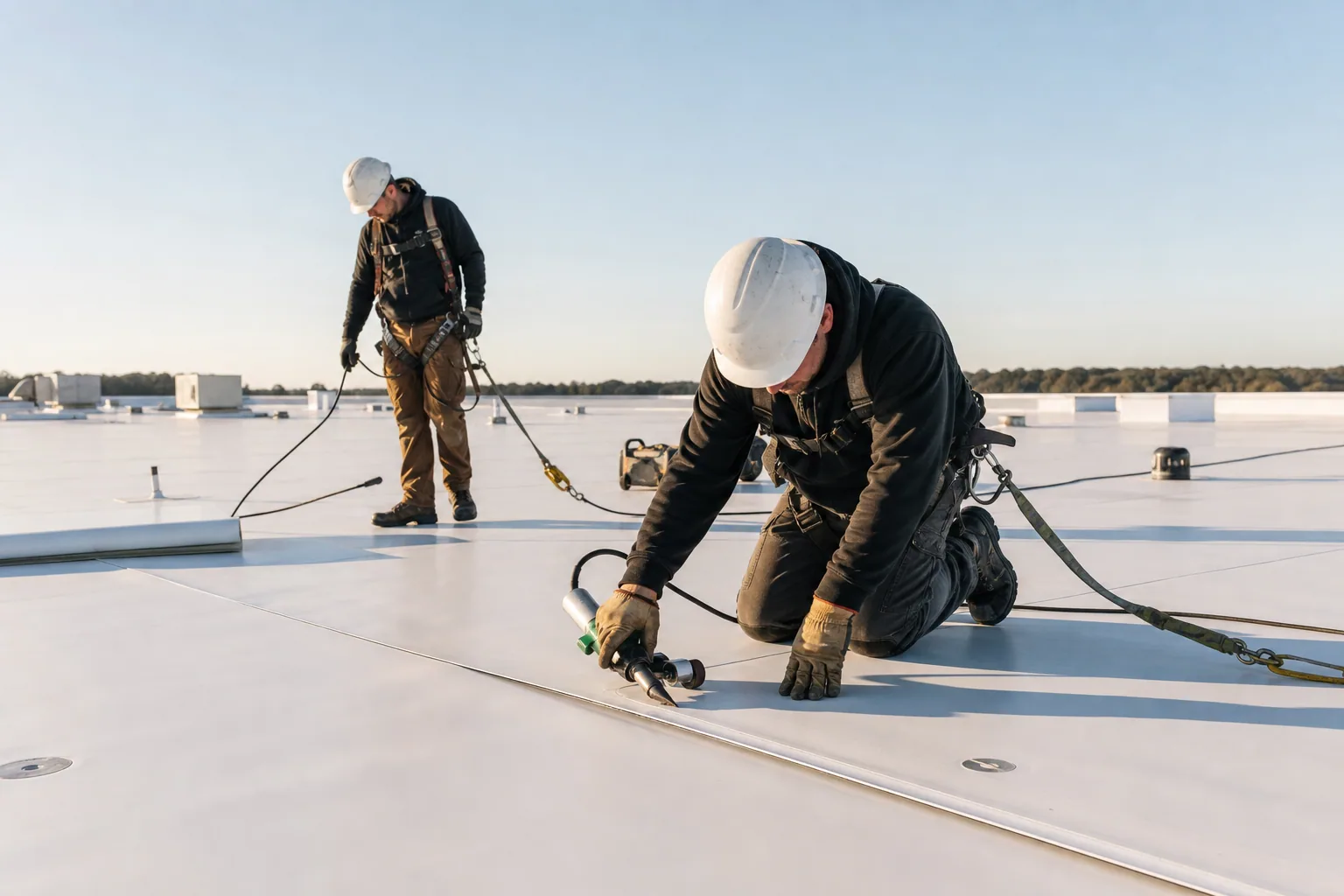
Commercial Roof Recover in Murrieta, CA
Related scope, access notes and questions to ask before work starts.
Learn More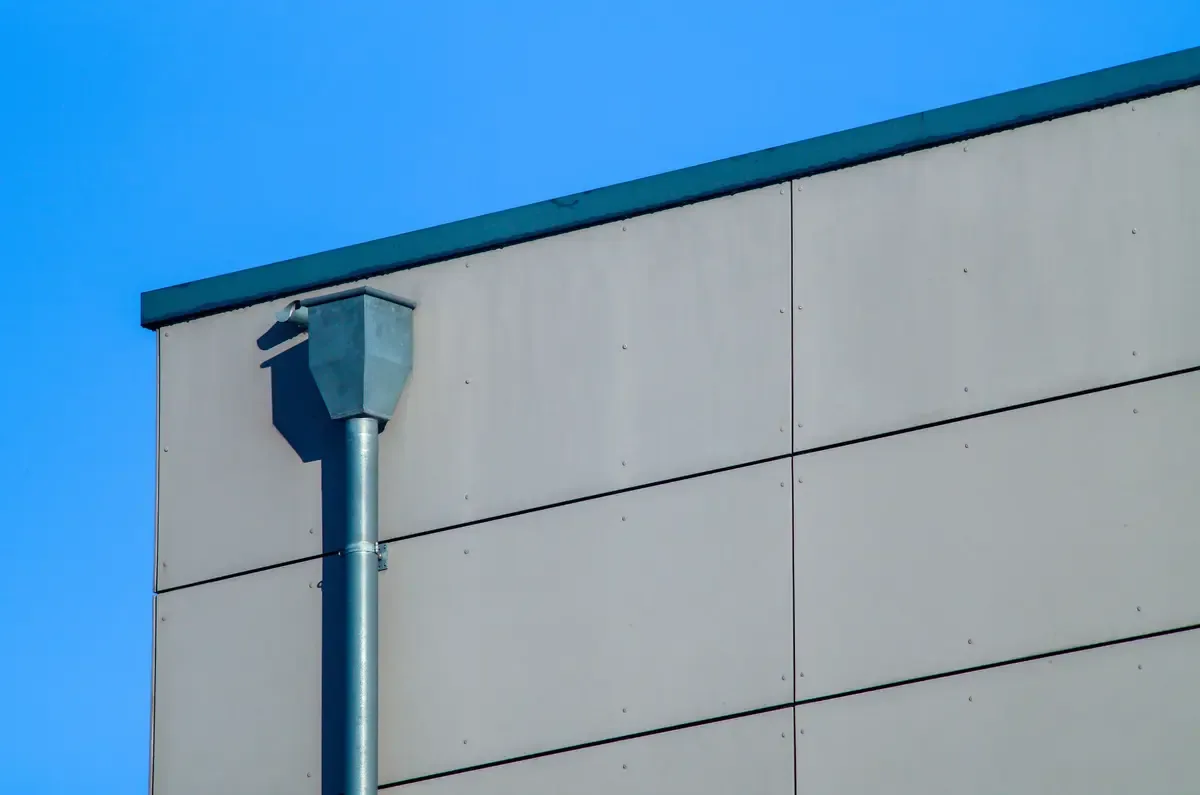
Commercial Roof Drains and Scuppers in Murrieta, CA
Read the full description and the questions owners ask about it.
Learn More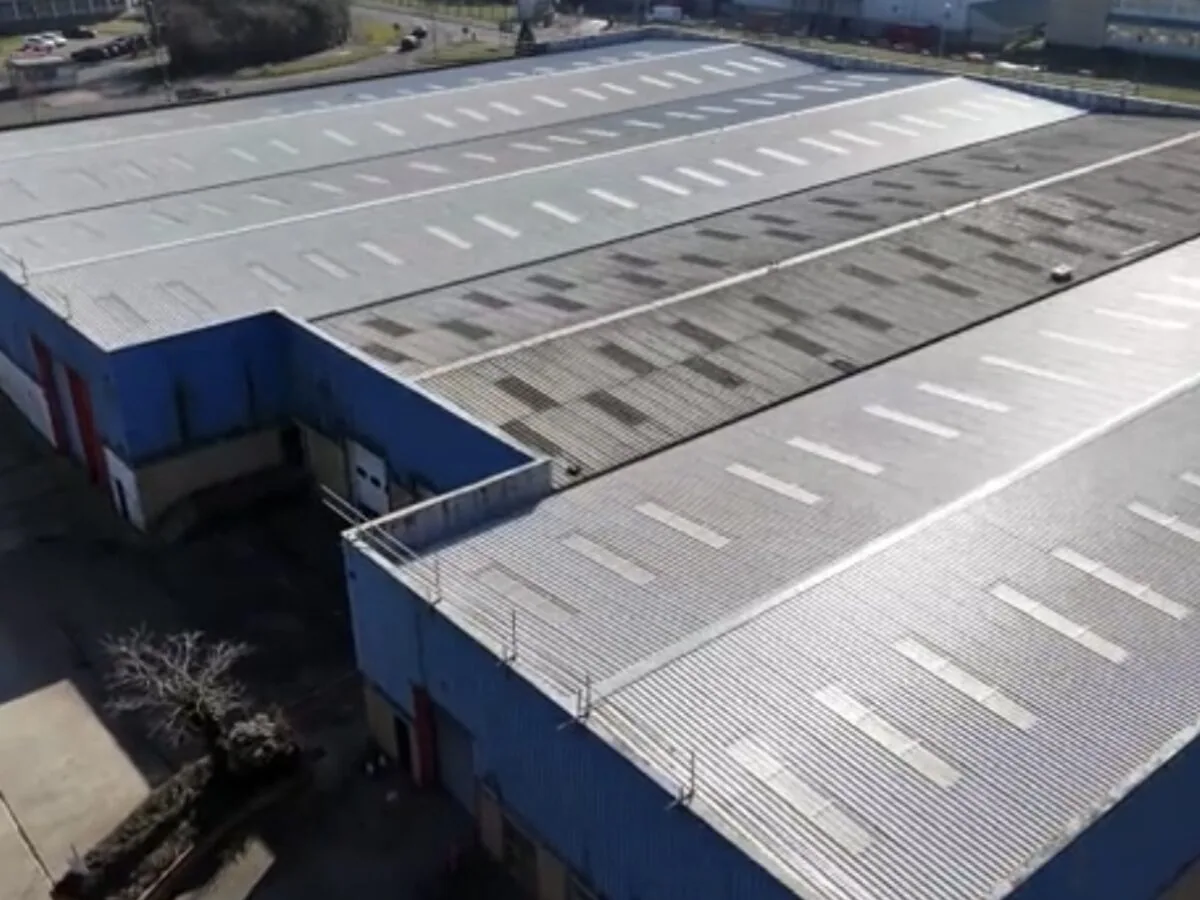
Commercial Roof Leak Repair in Murrieta, CA
See how this work fits the roof, the building and the schedule.
Learn More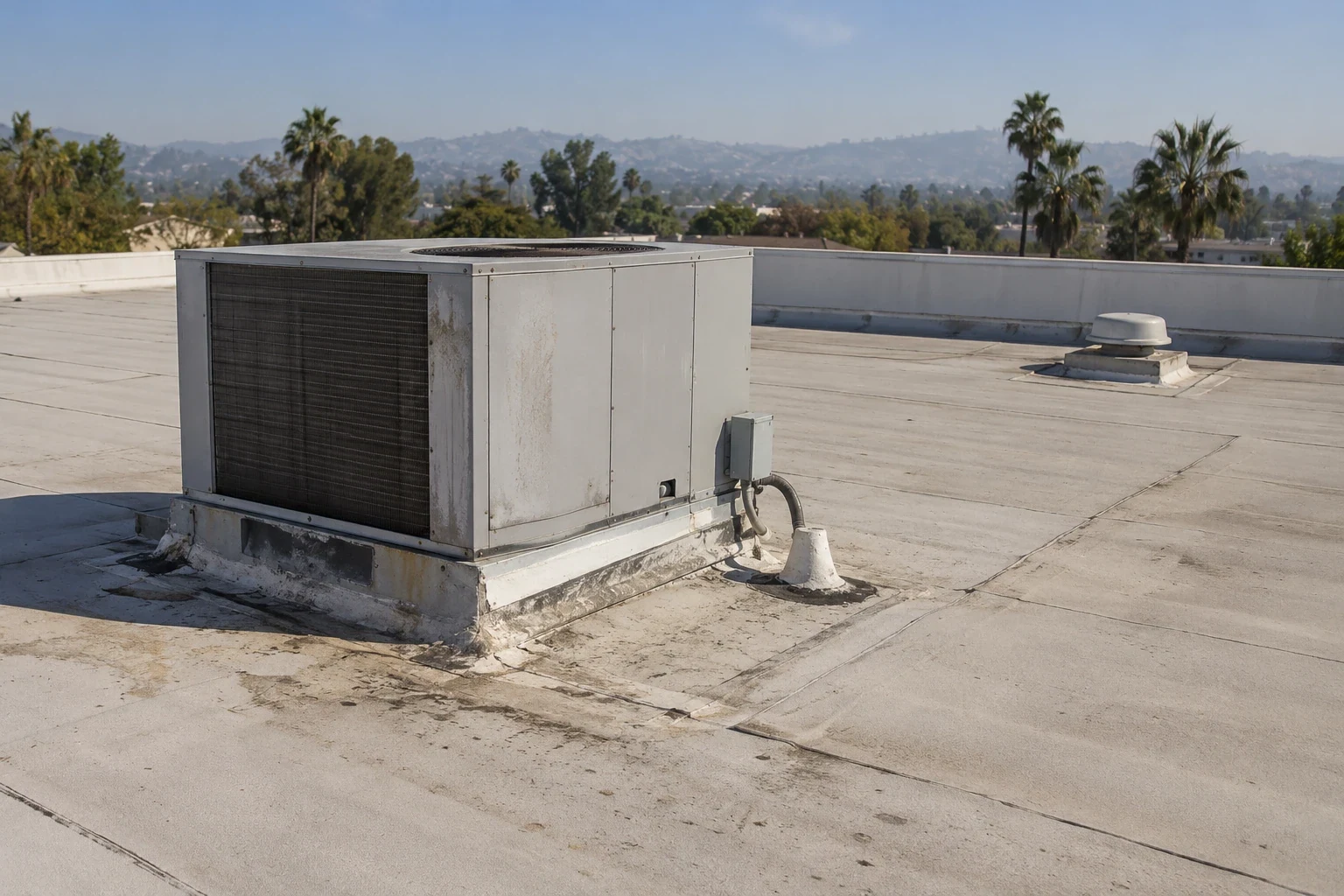
Commercial Roof Maintenance in Murrieta, CA
Related scope, access notes and questions to ask before work starts.
Learn More
Commercial Roofing in Temecula, CA
Read the full description and the questions owners ask about it.
Learn MoreHolcim Elevate Roofing Systems review
Arrange a Murrieta inspection to review membrane condition, drainage, attachment, and project access. We will compare the system options against the roof that is actually in place.