Duro-Last Commercial Roofing in Murrieta, CA
Plan a Duro-Last PVC roof around factory-fabricated sheets, welded seams, field dimensions, drains, curbs, access, and repair limits in Murrieta.
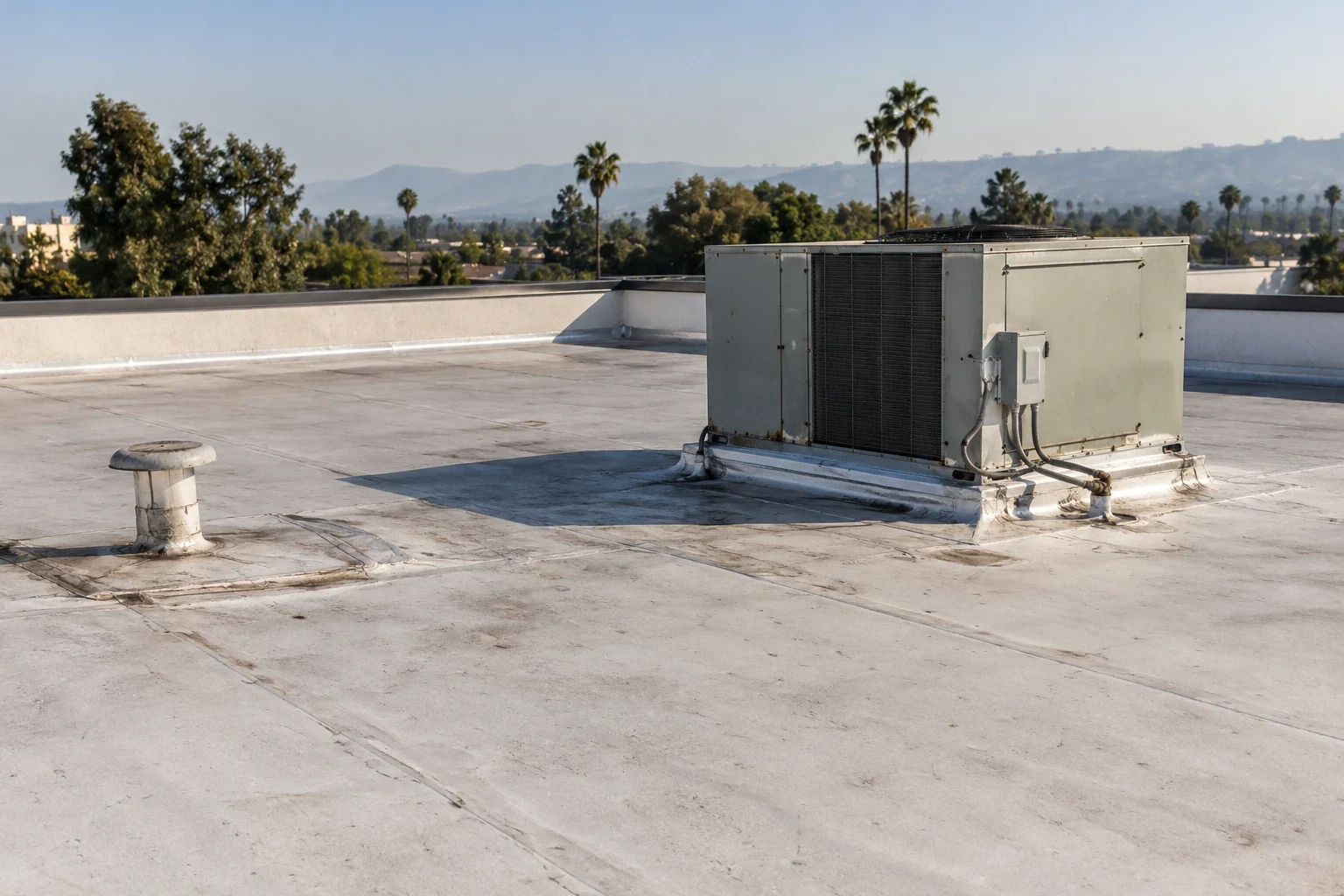
A roof with many curbs and odd-shaped corners takes careful measuring before membrane is ordered. Duro-Last centers its PVC roofing system on custom-fabricated deck sheets and accessories, with factory-welded seams intended to reduce field seaming. That approach can change layout and installation planning, but it does not remove the need to check the deck, insulation, drains, edges, and each transition. Murrieta buildings vary in footprint and roof access, so a field survey must establish actual dimensions rather than rely on a citywide estimate. We measure the actual building, mark the obstacles, and compare the system with the roof that is there.
Field measurements: Give fabrication a reliable map
Custom-fabricated PVC sheets depend on accurate field dimensions. A roof survey should locate parapets, expansion joints, drains, equipment curbs, penetrations, and changes in deck height. We record which elements are square, which need a template, and where an earlier repair altered the surface. The field sketch should also show dimensions that affect sheet breaks, including corners that return behind rooftop screens or step around raised equipment. A marked photograph can confirm a measurement but should not replace dimensions at the building. Before material is released, the owner can review the layout and flag access hatches, roof areas scheduled for later work, or sections that need to remain open for service. That review reduces the chance that a workable panel plan arrives with a missed curb or an unclear sequence. Then we compare that map with the proposed sheet layout and note where site welding remains necessary. Factory-fabricated panels can reduce some field seams, but the installer still has to make reliable transitions at perimeters, penetrations, and tie-ins. A PVC assembly review can help the owner compare membrane behavior and attachment details before the layout is approved.
Murrieta's existing business-park inventory exceeds two million square feet of building space. Field measurements still define each roof's area, and the marked plan divides it into sections that can be installed and protected in sequence. A narrow access route, rooftop equipment, or a busy loading area may affect how sheets are brought up and where materials can be staged. If a building is expected to remain occupied, the schedule should show the areas that stay protected each day. A recover assessment also checks the existing layer count, moisture, drain height, and deck before a new membrane is laid over old material.
Seam planning: Keep factory and field work distinct
Duro-Last PVC roofing uses custom-fabricated membrane and factory-welded seams. The system lists mechanically attached, adhered, and induction-welded deck-sheet options over a range of substrates. The selected attachment must match the roof deck, insulation, design requirements, and approved system documents. We check whether the proposed fastening pattern can be installed at the actual perimeter and around rooftop equipment. Each factory seam should arrive in a condition that can be inspected, while field welds need clean material, consistent overlap, controlled heat, and a probe check after cooling. A seam plan is useful only when it accounts for the details that remain on site.
Murrieta has direct access to Interstate 15 and Interstate 215, which frame regional routes to its business districts. That context can inform delivery questions, but the route to a particular building and roof hatch still needs to be confirmed with the property team. We verify loading zones, hatch access, power, and the route to each section with the property team. A drain and scupper review can identify low points that should be resolved before the layout is finalized. For a system comparison, consider Carlisle SynTec and SOPREMA using their specified materials, details, and attachment rather than brand shorthand.
Transition work: Detail the points around each sheet
Factory-made sheets do not determine how a roof meets a drain, curb, wall, skylight, or pipe. Those locations need compatible accessories, secure attachment, and a termination that directs water back onto the roof surface. We photograph each transition, note the substrate condition, and list damaged flashing or metal that should be replaced. At drains, we check the bowl, clamping ring, strainer, surrounding slope, and any debris that holds water. At parapets, the scope should show the termination height and how the edge is protected. These checks help keep a large membrane field from drawing attention away from a small but active leak path.
Temecula's business-attraction focus includes advanced manufacturing, including medical-device production. A production building can have equipment and access limits that affect roof work, but the sector description does not establish the condition or use of a particular property. We confirm operations with the owner and agree on any restricted routes before staging. Where a leak is reported below a distant roof section, a leak investigation should trace the path rather than simply patching above the stain. A penetration and flashing review can also isolate a curb or skylight detail that needs a separate repair. The closeout should show both the membrane work and the transitions completed.
Repair review: Trace the actual damage boundary
A small cut, loose termination, or open field seam may be repairable when the surrounding PVC remains sound. A repair area with wet insulation, a failed substrate, or repeated patches can require a wider opening. We record the location and extent before deciding how far to remove material. A clean patch on stable membrane is different from a repair that crosses a seam or rebuilds a drain detail. The proposal should name the membrane, accessories, and attachment affected, along with any area excluded from the price. If concealed damage appears after opening, the owner needs a clear change decision before that work proceeds.
For a larger project, compare repair, recover, and replacement against the same inspection findings. A roof inspection can document the baseline, while a replacement scope can show tear-off, dry-in sections, and new transition work. Buildings near Temecula still need their own staging and access plan; a city or corridor name cannot stand in for a roof survey. The final record should preserve sheet layout, field weld checks, drain and curb repairs, and any limitation that remains for future maintenance. Include the selected sheet thickness, attachment, edge conditions, and the products used at each penetration. The next roof review can then distinguish original details from later trade changes and locate the same repair area without reopening unrelated sections.
Commercial Roofing Questions
What does custom-fabricated mean for a Duro-Last roof?
Custom fabrication describes deck sheets and accessories prepared for a building layout, with factory-welded seams. Field measurements still have to be accurate, and transitions at drains, curbs, edges, and tie-ins still require work on site.
Does factory fabrication eliminate field seams?
No. It can reduce some on-roof seaming, but the perimeter, penetrations, repair patches, and connections to existing work may need field welding. The layout should identify where those seams occur.
How is Duro-Last attached to a commercial roof?
Duro-Last lists mechanically attached, adhered, and induction-welded deck-sheet approaches. The deck, substrate, insulation, perimeter design, and approved assembly determine which option fits the building.
Can PVC membrane cover wet insulation?
A new sheet should not conceal wet or unstable material. The inspection needs to identify moisture, layer count, drain height, and substrate condition before a recover is considered.
What should a Duro-Last roof closeout include?
Keep the sheet layout, attachment details, locations of field welds, transition repairs, and any areas excluded from the scope. That gives the next inspection a usable record of what was installed and where follow-up may be needed.
Related Roofing Work
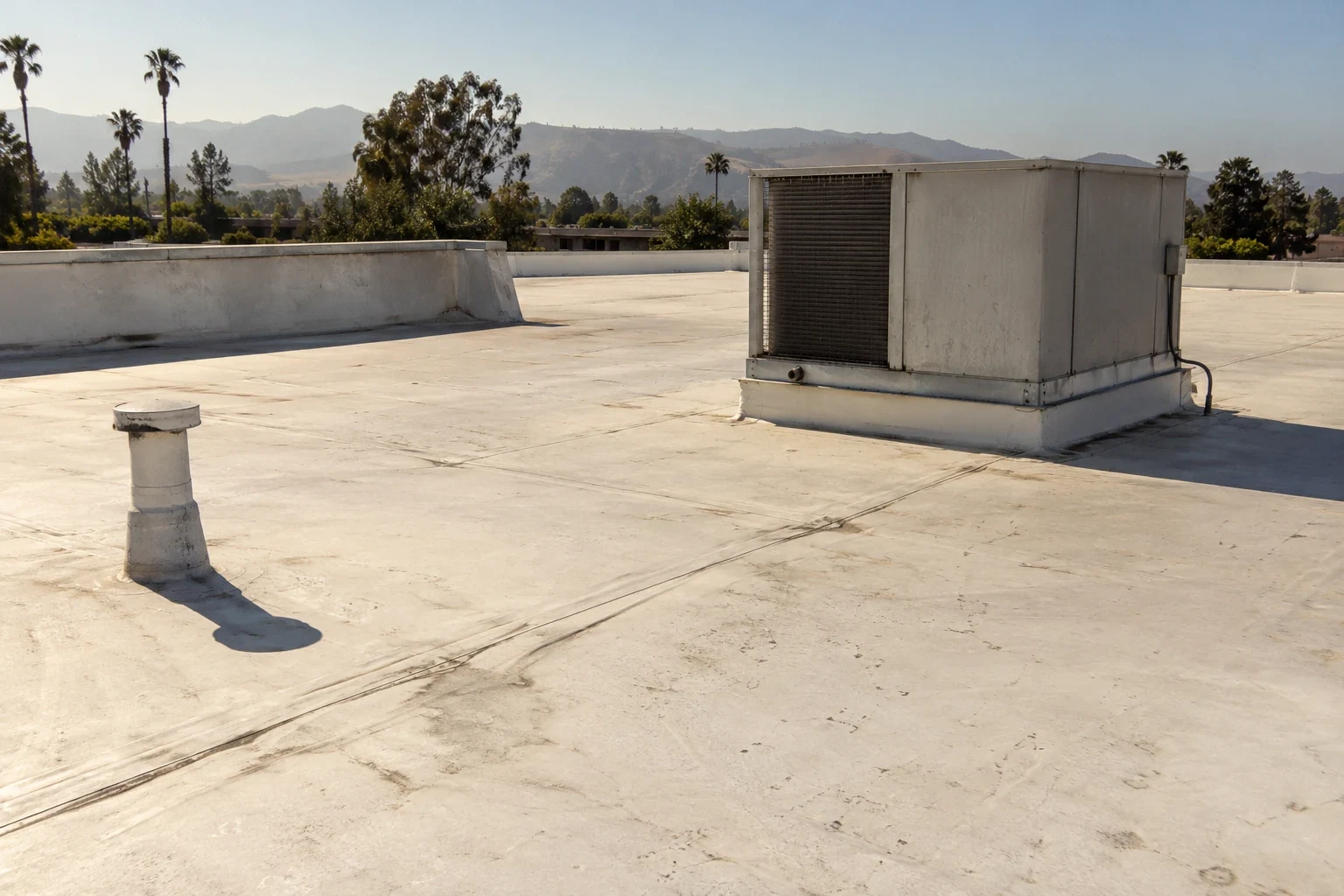
Commercial PVC Roofing in Murrieta, CA
See how this work fits the roof, the building and the schedule.
Learn More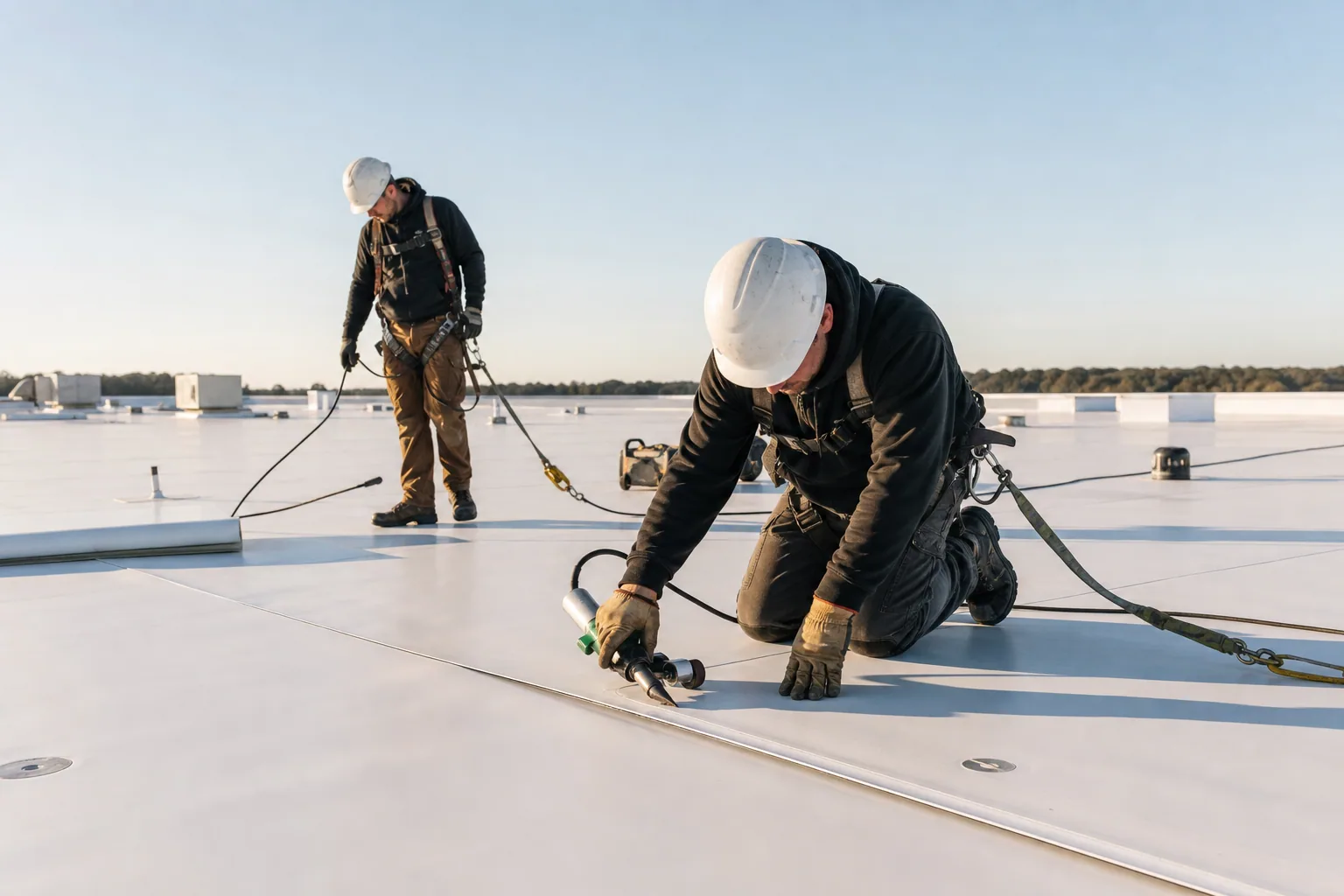
Commercial Roof Recover in Murrieta, CA
Related scope, access notes and questions to ask before work starts.
Learn More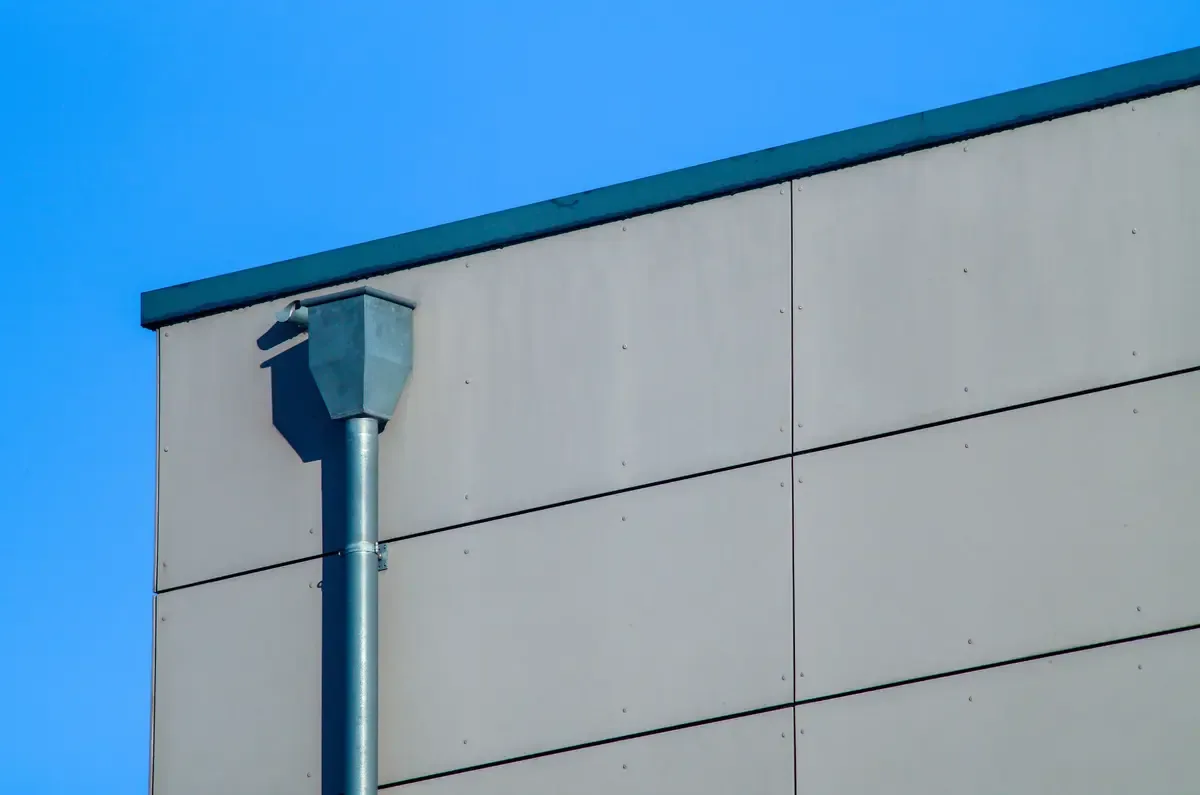
Commercial Roof Drains and Scuppers in Murrieta, CA
Read the full description and the questions owners ask about it.
Learn More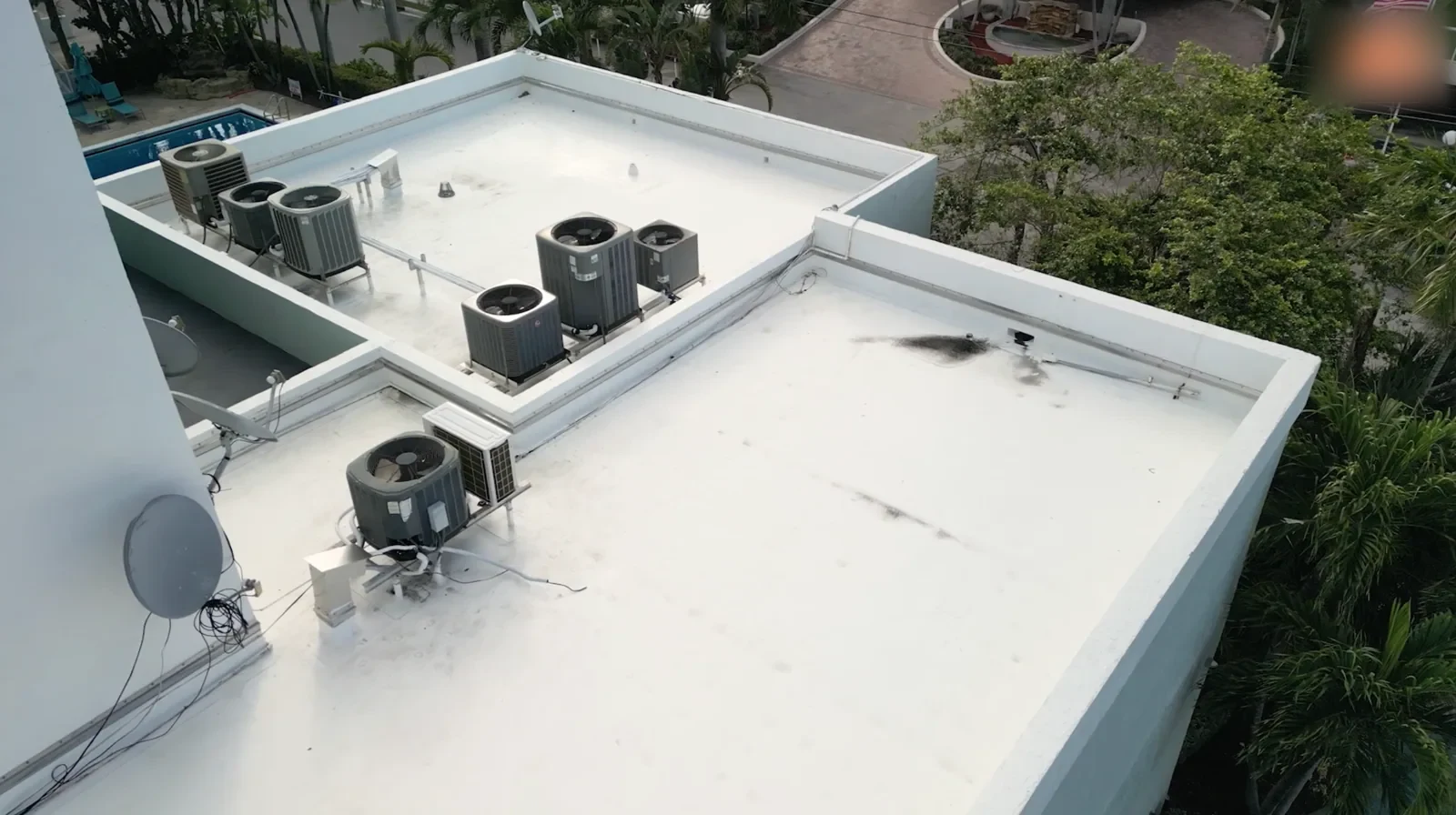
Carlisle SynTec Roofing in Murrieta, CA
See how this work fits the roof, the building and the schedule.
Learn More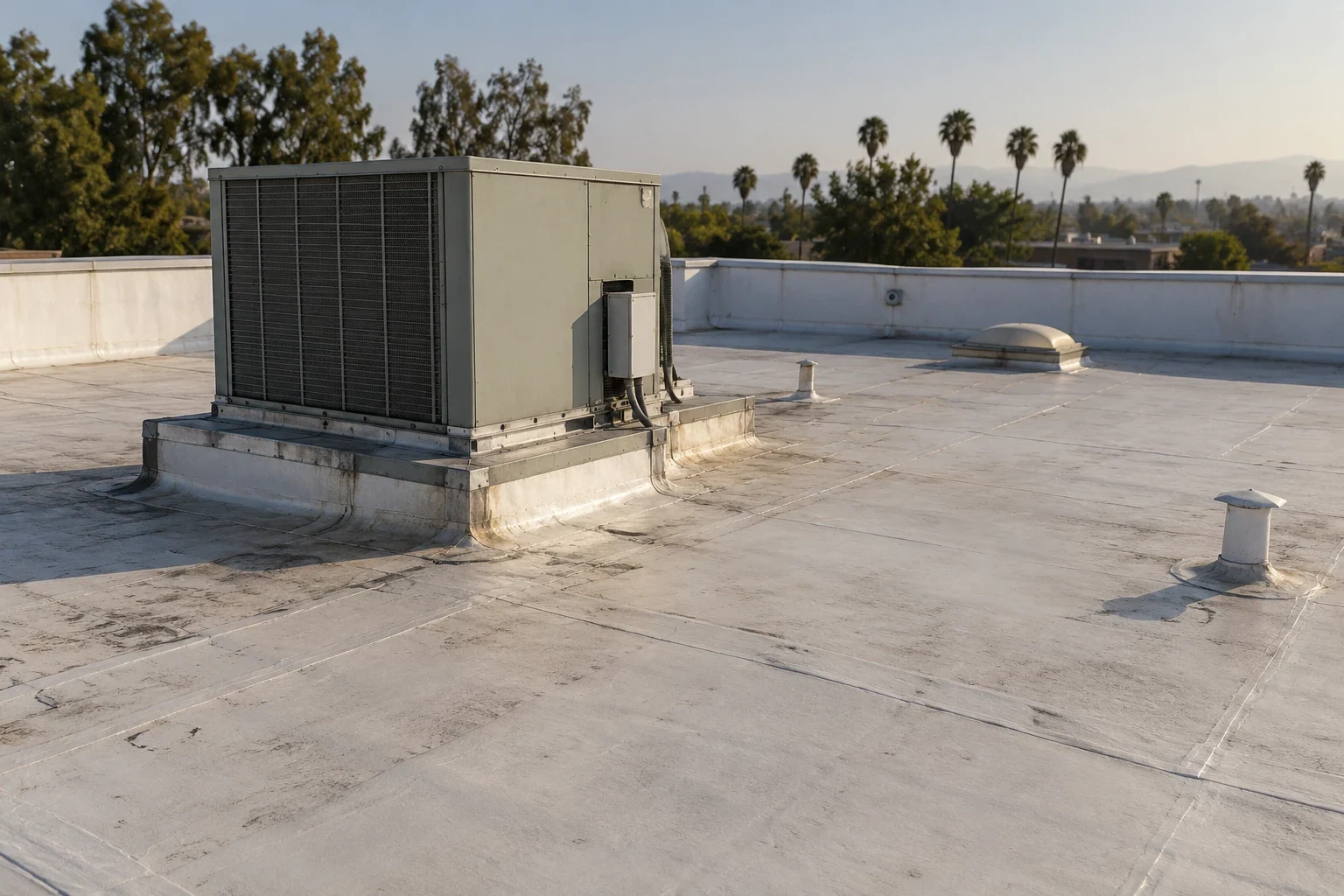
SOPREMA Commercial Roofing in Murrieta, CA
Related scope, access notes and questions to ask before work starts.
Learn More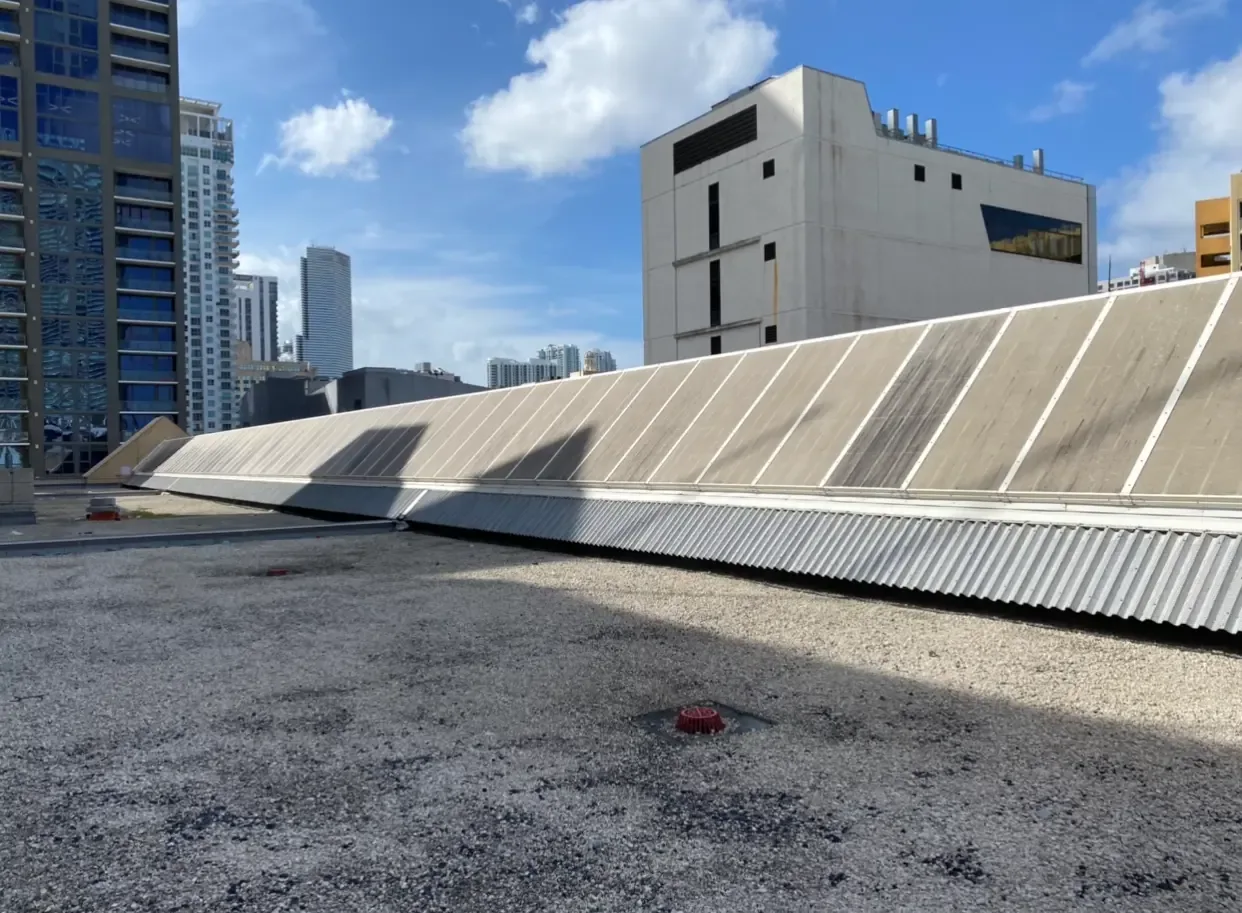
Commercial Skylight and Penetration Flashing in Murrieta, CA
Read the full description and the questions owners ask about it.
Learn MoreReview a Duro-Last roof layout
Arrange a Murrieta roof review to measure the field, check drains and transitions, and document access. We can compare repair, recover, or replacement scope with the building's actual conditions.