
Insurance Restoration Roofing in Murrieta, CA
Document commercial roof damage with dated observations, defined repair scopes, photographs, and clear separation between roofing facts and coverage decisions.

After a roof leak or reported storm impact, the owner needs a record that separates what is visible from what still needs review. A temporary dry-in, an inspection, and a permanent repair are different steps. We document the affected roof section, describe the observed condition, and prepare a scope that can be reviewed by the property team and its insurer. The roofing record supports a claim file; it does not decide coverage. A commercial storm-damage inspection can identify what the roof visit confirmed and where additional evaluation is needed.
First Record: Preserve the Condition and Date
Start with the reported date, weather or event description supplied by the owner, interior impact, and any steps already taken to protect the building. Photograph the roof section before moving material or making a permanent repair when conditions allow. Note the surface, seams, penetrations, curbs, drains, edge metal, and nearby transitions. A photo should identify its location and direction so another reviewer can understand what it shows.
Observed damage and cause are separate questions. A displaced edge, open seam, puncture, or wet area can be recorded without concluding when it happened or what caused it. If the assembly may hold concealed moisture, identify the area and the testing needed. Murrieta's current permit page directs new applications filed since the start of 2026 to the adopted California code edition for 2025. That code context may matter to a proposed repair scope, but the project team should confirm the requirements for its actual work and jurisdiction.
Property Context: Connect the Roof to the Interior
Record where water appeared inside, which contents or operations were affected, and whether the space remains in use. A ceiling mark may sit away from the roof entry point because water can travel through a deck or insulation. We note the room and likely roof path separately, then explain whether access or moisture testing is needed to narrow the cause. That distinction keeps an interior report from becoming an unsupported roof conclusion.
For a commercial location, the owner may need to protect stock, equipment, records, or tenant operations while the roof is reviewed. The property contact decides closures and occupant notices. In Temecula, Old Town extends about one mile north to south. A roof claim still turns on the damaged assembly, the observed condition, and the property-specific repair boundary. Each address needs its own timeline, assembly, and photographs. A roof condition report can preserve those details in a readable sequence.
Temporary Protection: Separate It from Permanent Work
If water is active, a temporary measure may reduce additional interior impact while the permanent scope is prepared. The record should say what was covered, where the boundary ends, what weather or access limits applied, and what follow-up remains. Temporary protection does not establish that the roof is restored. Once the area is safe to inspect, photographs and measurements can document the conditions that affect lasting repair.
A permanent scope identifies preparation, compatible materials, tie-ins, flashing, drainage, and the repair limit. If opening the roof reveals wet insulation or a damaged deck, state the change-review step before expanding the work. Keep estimates for emergency control and permanent restoration distinct so reviewers can follow timing and cost. A wind-damage roof review can focus on lifted edges or displaced components, while a flashing repair scope names the connection assessed.
Claim Visit: Coordinate Access and Observers
The owner can identify roof access, safety limits, tenant hours, mechanical contacts, and whether another party will attend the inspection. We record the visit date and the areas that could be reached. If weather or a locked space prevents a complete review, the report says so rather than imply the whole roof was observed. When an adjuster or consultant requests a particular view, the owner can share that request before the visit.
Where a roof opening is necessary, agree on how the area will remain protected before the work area is closed. A documented commercial roof inspection can note the observed condition, limitations, and next step without making a coverage determination. Nonresidential uses concentrate along Ethanac, Newport, McCall, and Scott Roads in Menifee. Keep the inspection and insurance file tied to the actual address, observed damage, and roof assembly.
Scope Review: Keep Repair Choices Comparable
When repair, recover, or replacement are under review, tie each option to the same roof section and known condition. Note visible assembly layers, seams, edge details, drainage, attachment questions, and any testing that could change the recommendation. A recover may not suit an area with trapped moisture or details that cannot be raised cleanly. Replacement can change access, tenant protection, and the amount of material removed. The report should identify these facts and limits; the insurer and owner determine how they apply to the claim.
A scope should not mix pre-existing wear, observed event damage, and code or upgrade questions without labeling them. If another condition appears during work, document its location, photograph it, and request direction before changing the boundary. A roof claim documentation review can help organize the roofing scope and supporting records. It does not interpret policy language or promise an outcome. For a construction handoff, an interface note for general contractors can clarify which trade handles each connection. Property groups may also use multi-building incident records to route location-specific approvals.
Closeout: Keep the Claim File Traceable
At completion, retain dated photographs, the final repair boundary, materials installed, approved changes, invoices or work records, and open observations. Keep temporary measures and permanent work labeled separately. If water returns, staff can compare the new report with the repair location and determine whether another inspection is needed. A clear file helps the owner answer questions without treating an earlier observation as proof of a different condition.
For properties around Murrieta, Temecula, and Menifee, the same file structure can support consistent review while each address keeps its own evidence. The roofing contractor describes observed conditions and completed work. The owner, adjuster, and other professionals make their own decisions about responsibility, payment, and coverage. We state what the inspection can support and identify the limits plainly.
Commercial Roofing Questions
Does a roofing inspection determine whether insurance covers damage?
No. The inspection records visible roof conditions, photographs, access limits, and a repair scope. Coverage and policy decisions belong to the insurer and policyholder. We keep roofing observations separate from those decisions.
Should we make a temporary repair before the inspection?
Protect people and contents from active water first. When conditions allow, photograph the affected area and note any temporary work, materials, and timing. The owner can coordinate inspection access before a permanent repair changes the evidence.
How do you distinguish event damage from existing wear?
We describe each observed condition, its location, and the evidence available during the visit. Cause and timing may require additional review. The report should not label a condition as event-related without support from the inspection and other relevant records.
What if the roof cannot be fully inspected on the first visit?
The report should list the areas reached, barriers, weather or safety limits, and any follow-up access or testing needed. That makes the boundary of the observation clear and helps the owner decide what review to schedule next.
What records should be kept after permanent roof repair?
Keep the final scope, dated photographs, materials, work boundary, change approvals, invoices, and remaining observations together. Identify any temporary measure separately and note the condition that should prompt a follow-up inspection. Keep a dated copy with the property file so later reviewers can follow the sequence.
Related Roofing Work
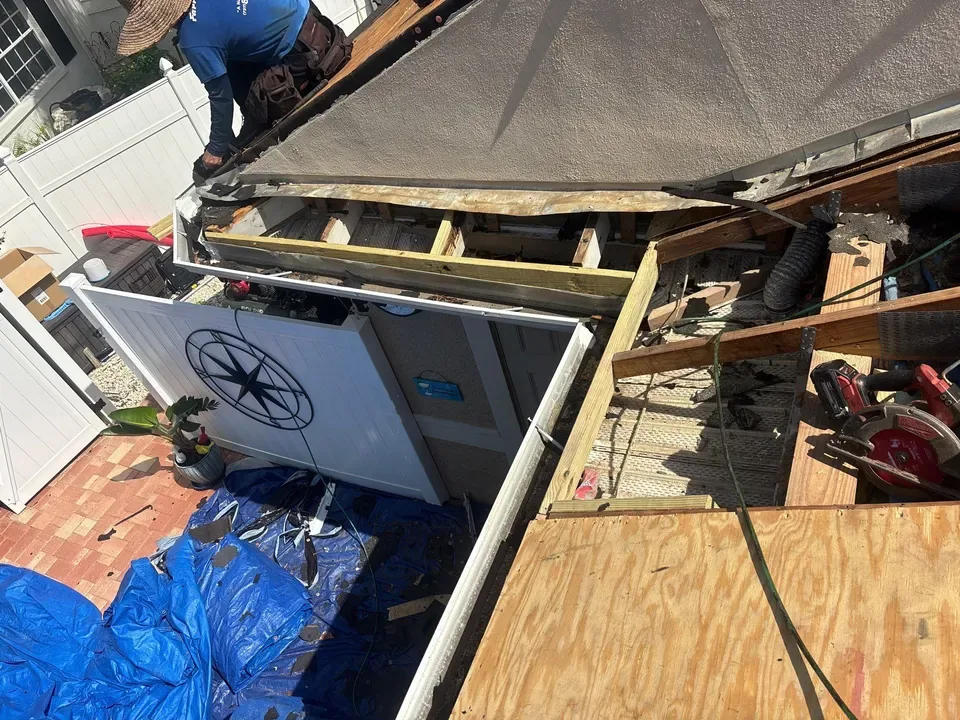
Storm Damage Roof Repair in Murrieta, CA
See how this work fits the roof, the building and the schedule.
Learn More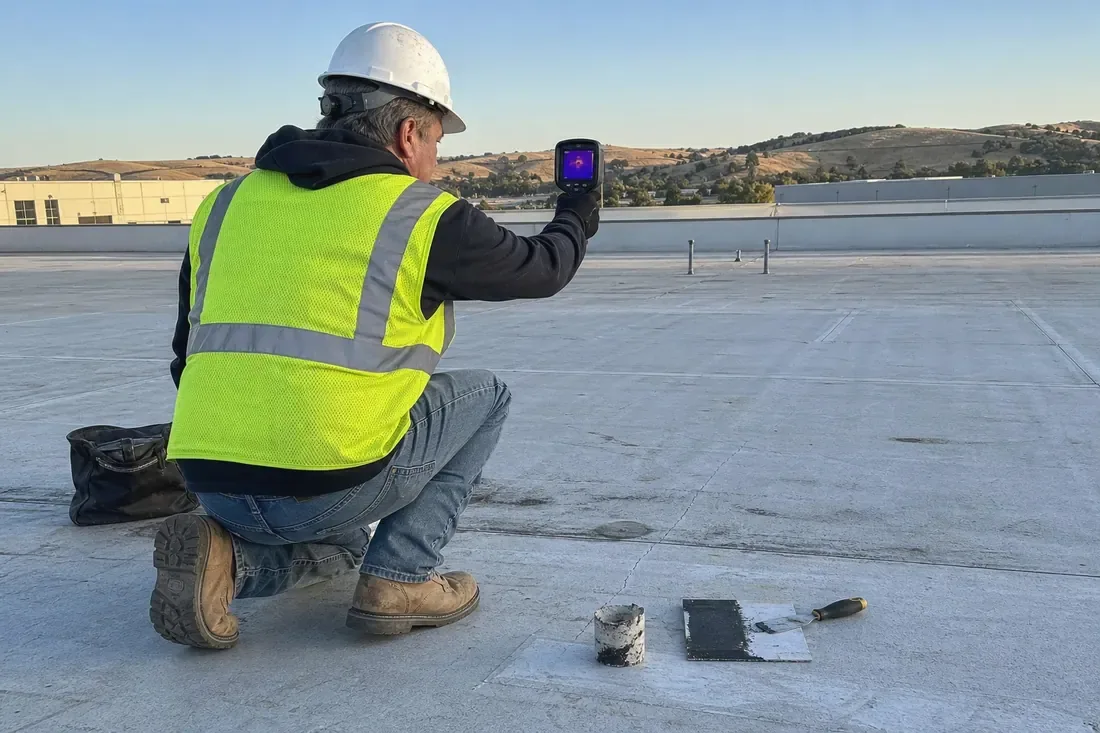
Commercial Roof Condition Reports in Murrieta, CA
Related scope, access notes and questions to ask before work starts.
Learn More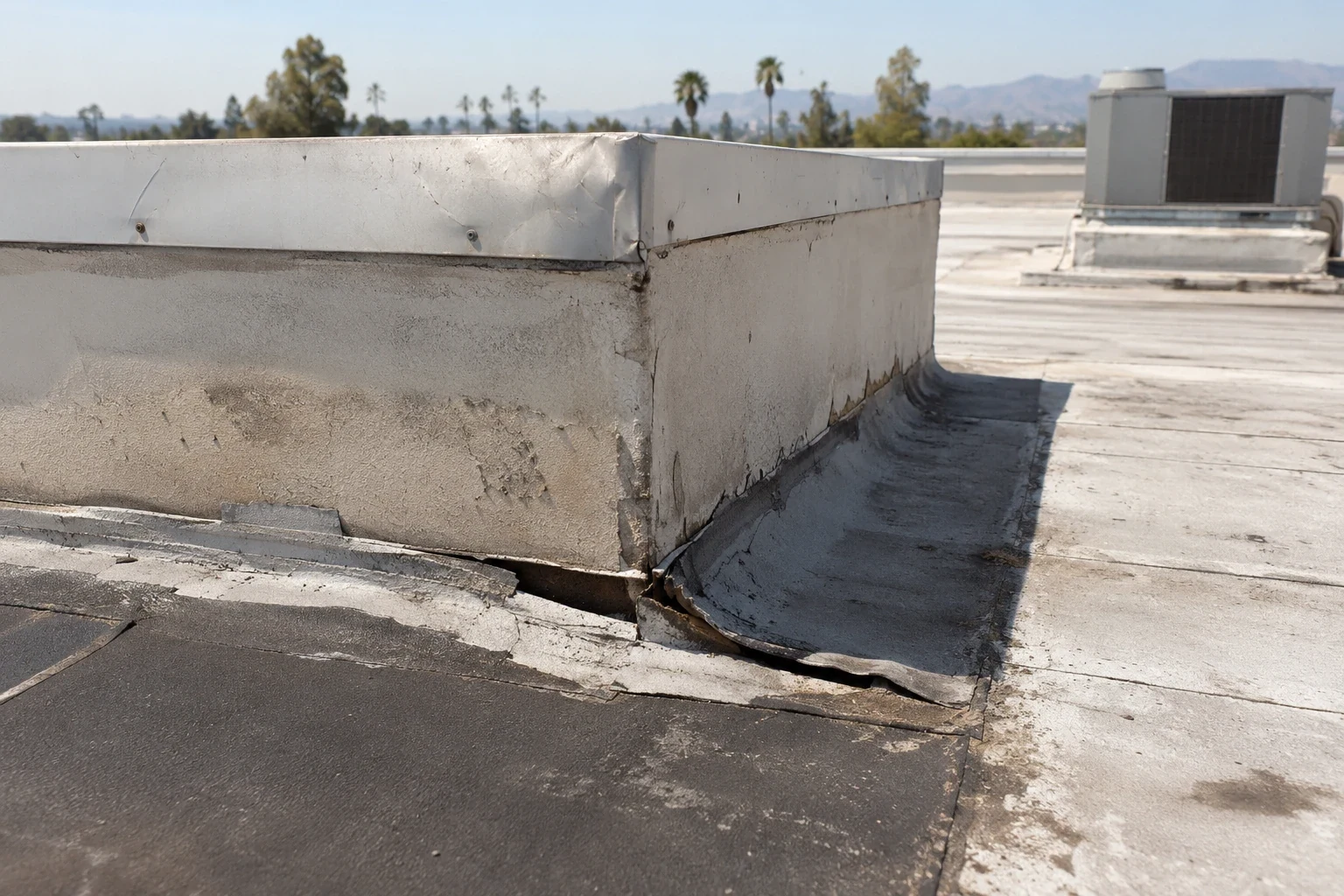
Commercial Flashing Failure Repair in Murrieta, CA
Read the full description and the questions owners ask about it.
Learn More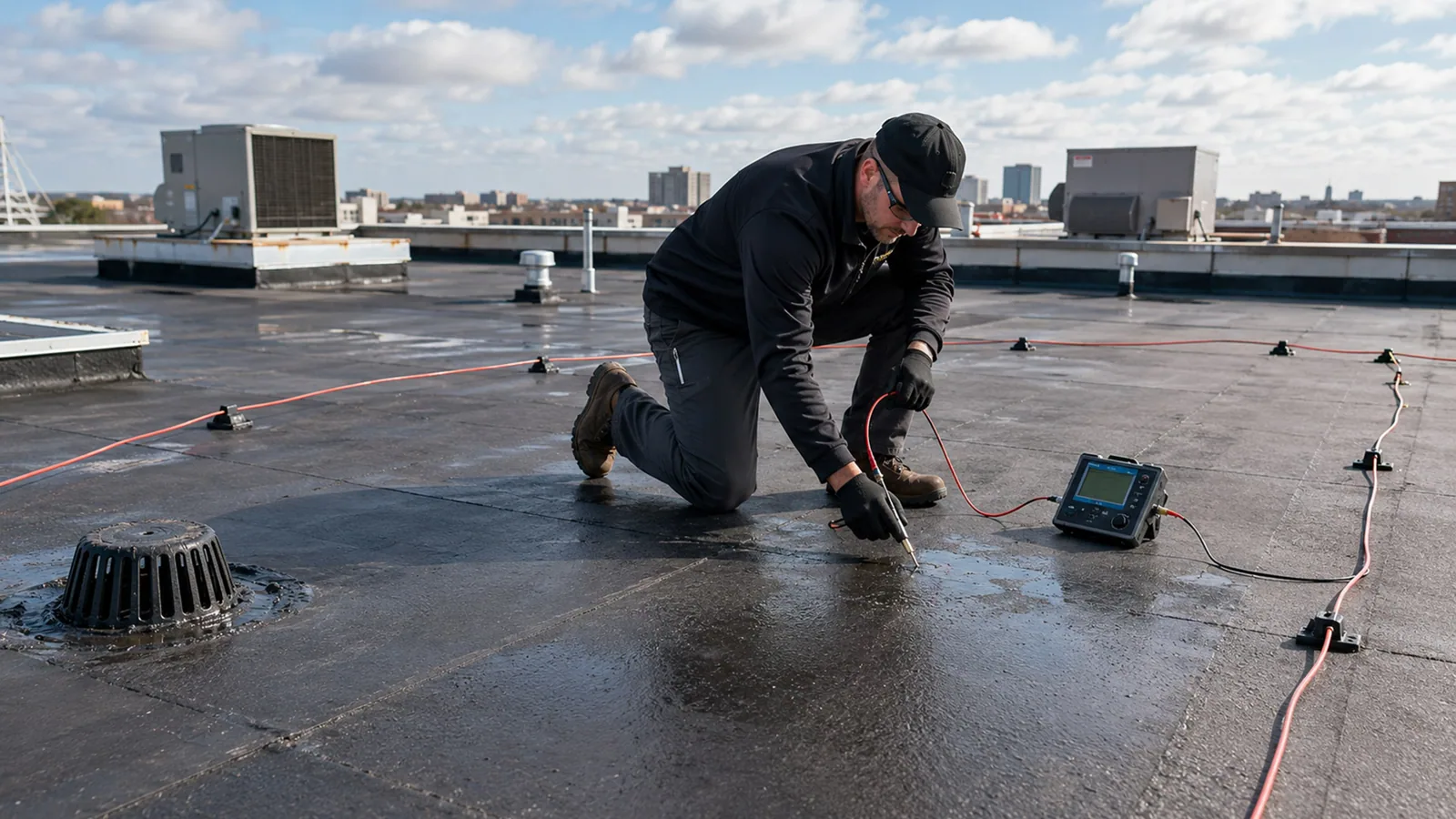
Commercial Roof Inspection in Murrieta, CA
See how this work fits the roof, the building and the schedule.
Learn More
Roof Insurance Claim Assistance in Murrieta, CA
Related scope, access notes and questions to ask before work starts.
Learn More
Commercial Roofing for General Contractors in Murrieta, CA
Read the full description and the questions owners ask about it.
Learn MoreDocument the Roof Before the Next Decision
Arrange a site review to record the affected area, separate temporary protection from permanent repair, and prepare a clear roofing scope.