Big-Box Retail Roofing in Murrieta, CA
Plan big-box retail roof repair or replacement in Murrieta, CA, with attention to sales-floor protection, loading access, drainage and phasing.
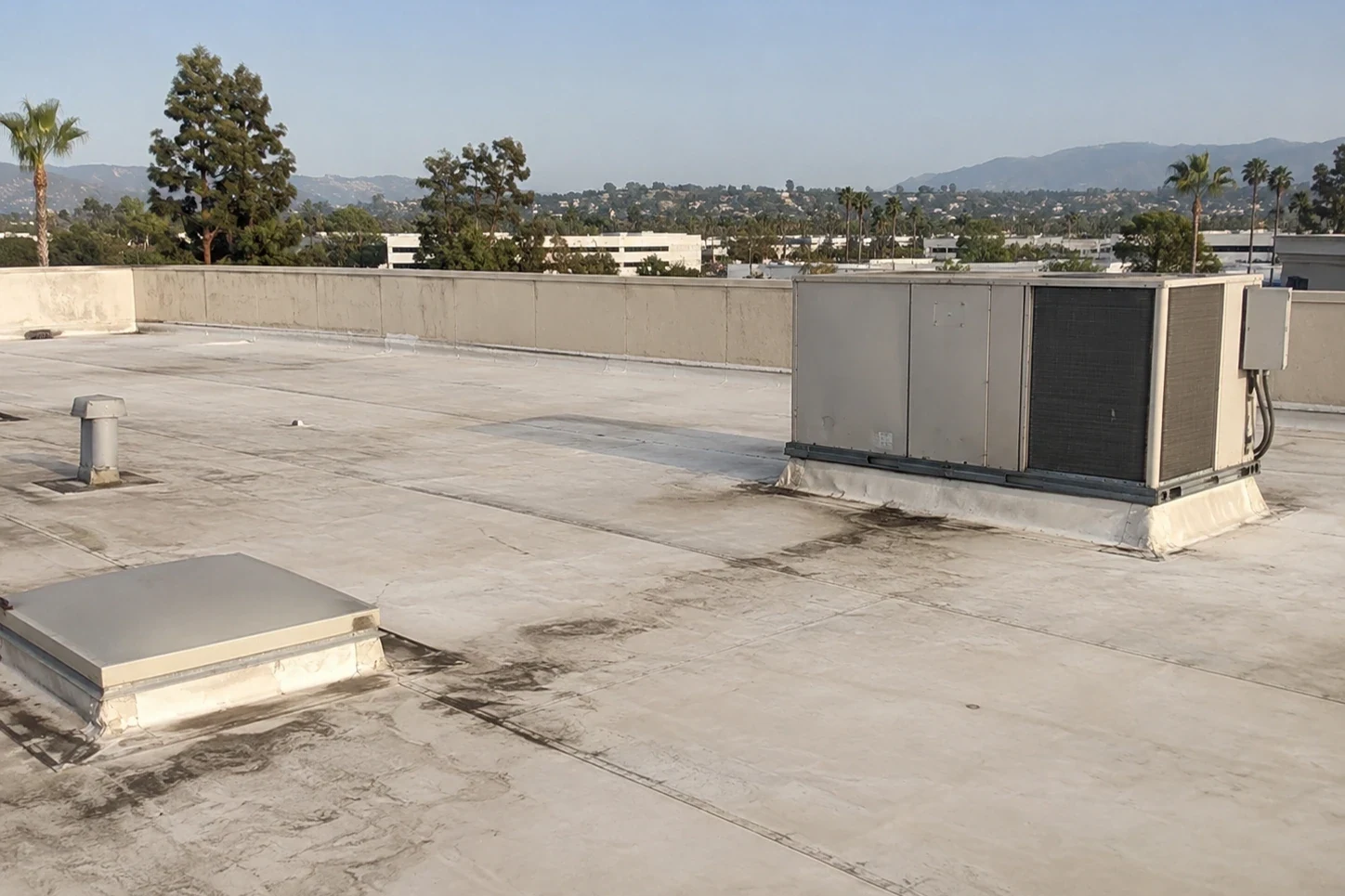
A sales floor can stay busy while a large roof section is divided into smaller work areas overhead. Big-box retail roofing in Murrieta depends on the existing assembly, loading schedule, equipment layout and where customers move below the work. We walk the roof before setting a repair boundary, locate drains and curbs, and coordinate deliveries or lift access with the property team. Interstate 15 and Interstate 215 connect Murrieta’s business districts, while Perris’s 4th Street Corridor includes planned commercial and retail uses. These nearby settings shape access and land-use context; the inspection still begins with the store’s actual roof. A roof inspection documents the actual surface and operating constraints.
Sales Floor: Map the Roof Above Each Department
Water over a sales aisle, stockroom, electrical room or loading zone can disrupt different operations. We identify the space below each leak, then compare it with the roof slope, seams, drains, penetrations and prior patches. A stain may appear far from the opening, so the repair should follow the water path instead of stopping at the ceiling mark. We note which areas are confirmed wet and where an opening or moisture test is needed. The report lets the owner decide whether to stabilize first, repair one section or compare a broader roof scope.
A broad roof can have separate elevations, additions, curb clusters and old repairs that behave differently. We map them by section and include reference photos that property staff can locate after closeout. If equipment service needs to cross the active work zone, the route should be marked before materials are staged. A drain and scupper review can check the outlet and surrounding flashing where ponding or overflow affects more than one roof area. The map should also show temporary protection where merchandise or equipment below cannot be moved.
Store Operations: Coordinate Loading and Customer Routes
Reroofing may bring lifts, roofing rolls, tear-off bins and temporary restrictions near a loading dock or public entrance. We confirm truck receiving periods, site access, lift placement and the routes that must remain clear. If work occurs while the store is open, the proposal should identify interior protection, notification points and daily closure. A phased occupied-store work sequence can move the crew as each section is dried in, rather than leaving several roof areas exposed at once.
Murrieta’s Madison Corridor plan outlines Business Park and Innovation zoning, while Menifee’s General Plan places nonresidential uses along named roads including McCall and Scott. These planning records do not describe a particular store, but they provide context for coordinating access around commercial activity. The property’s own receiving schedule and customer routes control the roof plan. We confirm where materials can be set down without blocking fire lanes, service roads or accessible entrances. If a store has seasonal peaks, the project calendar should account for them before the contractor mobilizes.
Roof System: Confirm the Surface Before Pricing
A large building may have a single-ply membrane, metal panels, built-up layers or multiple roof sections installed at different times. We identify each assembly before recommending a patch or replacement. The inspection checks seam attachment, panel fasteners, edge conditions, flashings, insulation and drainage. A recover can save removal only if the existing layers are dry and stable and the new height works at curbs, signs and outlets. A shopping-center roof review covers connected tenant bays, while warehouse roofing addresses a different loading and storage pattern.
The proposal should say how much material is removed, what substrate repair is included, how new insulation is attached, and which edges or drains are rebuilt. Cost can change with roof access, lift requirements, penetration count, insulation depth, disposal and the number of phases. We list concealed-condition assumptions and the approval step if a test opening finds wet insulation or damaged deck. That gives the owner a clear comparison between a localized repair, a recover and a replacement, rather than a total based on different scope assumptions.
Rain Flow and Heat: Inspect What the Roof Shows
Murrieta’s climate plan links future precipitation changes to possible flood events and drought periods. The citywide projection does not establish whether a store’s roof drains properly. We trace each roof plane, test the visible outlet paths and look for ponding that persists after ordinary drainage time. Where water reaches the sales floor or back room, the report connects the interior clue with the roof section that needs testing. We also inspect exposed membrane, sealants and flashing around equipment, using the installed system and observed condition to choose a repair material.
Retail buildings often have regular mechanical service, sign work and other rooftop access. Those activities can disturb flashing or leave a fastener loose. We note surface wear at service routes and coordinate with the property manager if another trade needs access before the roofing area is closed. If there is an active leak, temporary cover can protect the interior while the permanent boundary is reviewed. The closeout should state which section was repaired and which nearby conditions remain outside the project.
Project Plan: Make the Scope Easy to Compare
A useful proposal identifies the roof sections, work hours, staging area, lift plan, affected interior zones, daily dry-in and tenant or store notice. It should show how drain work, edge transitions, insulation and equipment curbs fit the assembly. If the store remains open, include the route for staff, customers and deliveries. The owner should know who can approve concealed repairs and how weather delays change the daily boundary. Those details give the facilities team a practical schedule and a way to compare bids on the same assumptions.
After the work, retain photographs, roof maps, material information, approvals and repair limits. A future inspection can compare drain paths and curb details with the original condition. Interstate 15 and Interstate 215 connect Murrieta business districts, while Perris plans commercial and retail uses along its 4th Street corridor. Neither fact predicts the surface of one retail roof. Request an inspection to define that building’s condition and schedule. For a multi-property program, see the Temecula service area as well.
Commercial Roofing Questions
Can a big-box store stay open during a reroof?
The sequence can sometimes keep most operations running, but active work still affects access, deliveries and areas below. We agree on daily roof sections, lift locations, customer routes and temporary protection with management. Any aisle or entrance restriction should be communicated before the work reaches that part of the building.
How do you locate a leak above a large sales floor?
We connect the ceiling mark to the roof slope, drains, seams, curbs and previous repairs. Water can travel along the deck before showing inside, so the stain does not define the full repair area. If insulation may be wet, targeted testing helps determine whether the issue is isolated or broader.
What makes a recover practical on a retail roof?
The existing roof needs stable attachment, acceptable moisture conditions and compatibility with the new system. Added thickness also changes curb height, drain depth and perimeter transitions. We document those checks and compare them with tear-off assumptions so reduced demolition is weighed against retained material condition.
Do roof signs and HVAC units change the scope?
They add penetrations, flashing and service routes that need access during and after roofing. We map sign supports and equipment curbs, then identify any trade coordination or temporary protection required. The proposal should state who closes each detail and how the finished transition will be checked.
What should the retail manager receive at closeout?
Keep the roof map, photographs, materials, repaired areas, approvals and remaining observations. The manager can use that record to direct future service and notify tenants if roof access changes. It also distinguishes the work completed from conditions that were observed but not part of the contract.
Related Roofing Work
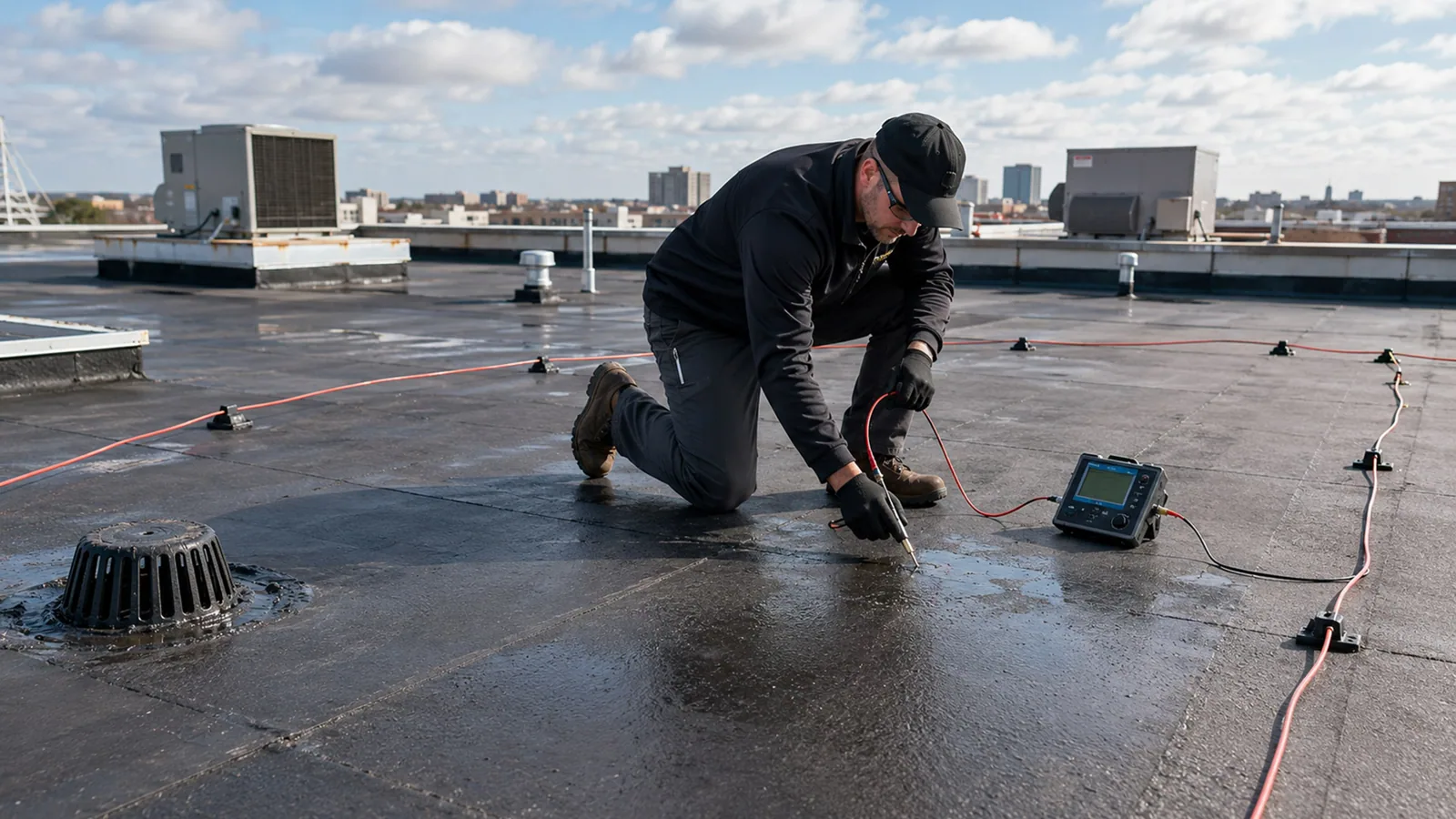
Commercial Roof Inspection in Murrieta, CA
See how this work fits the roof, the building and the schedule.
Learn More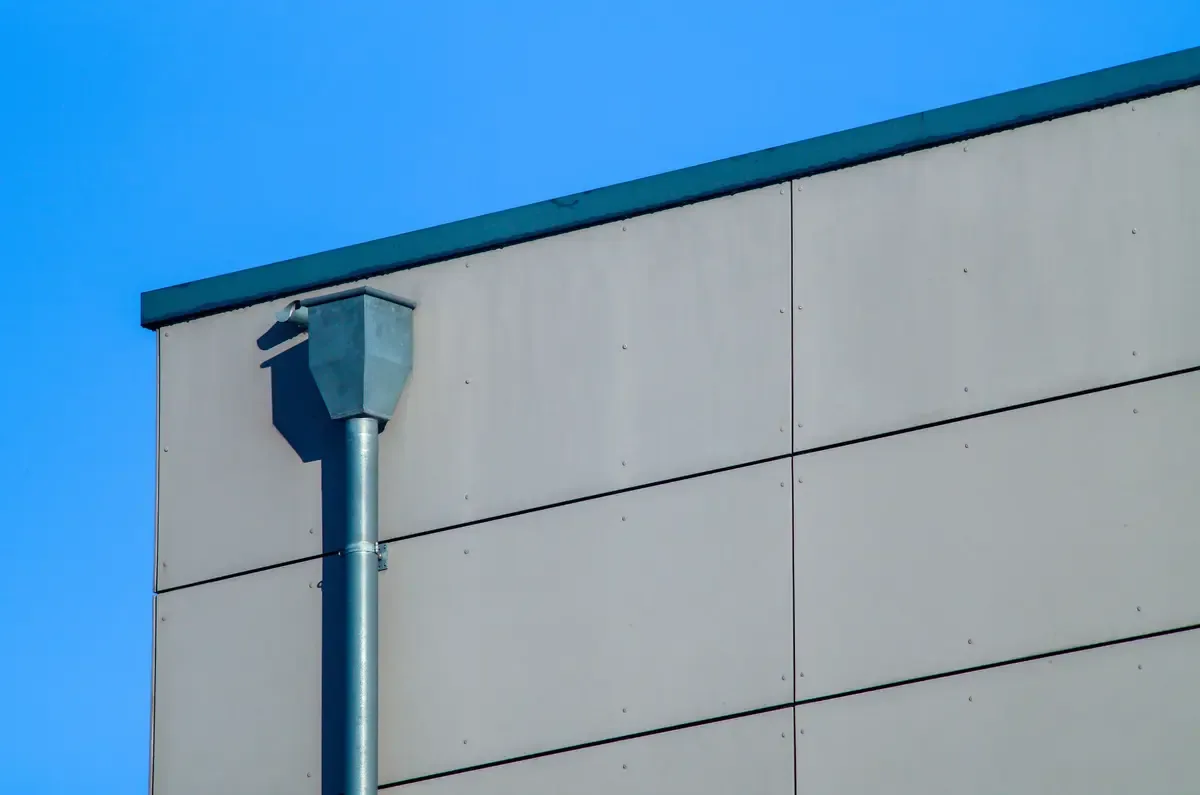
Commercial Roof Drains and Scuppers in Murrieta, CA
Related scope, access notes and questions to ask before work starts.
Learn More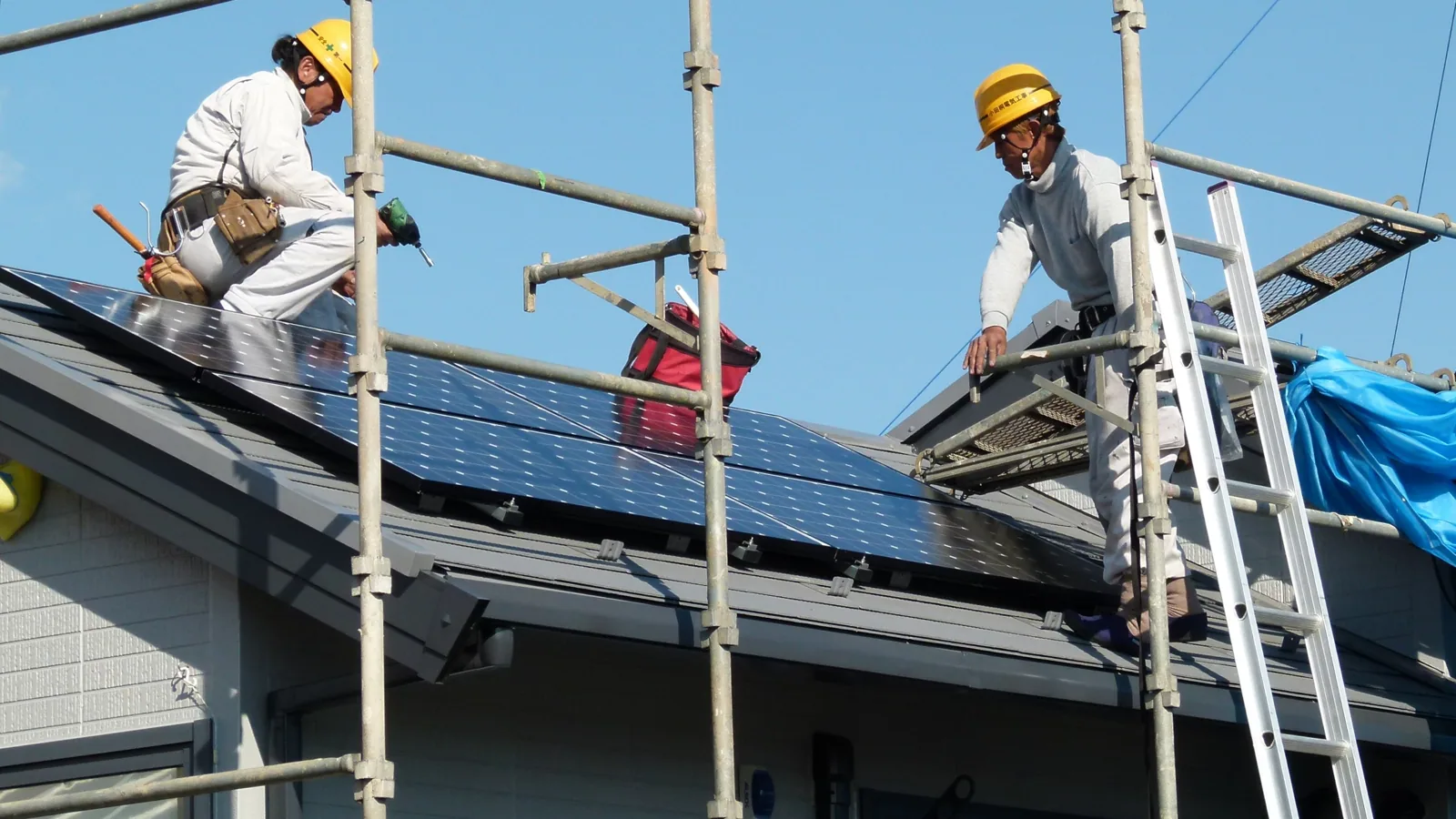
Occupied-Building Commercial Reroofing in Murrieta, CA
Read the full description and the questions owners ask about it.
Learn More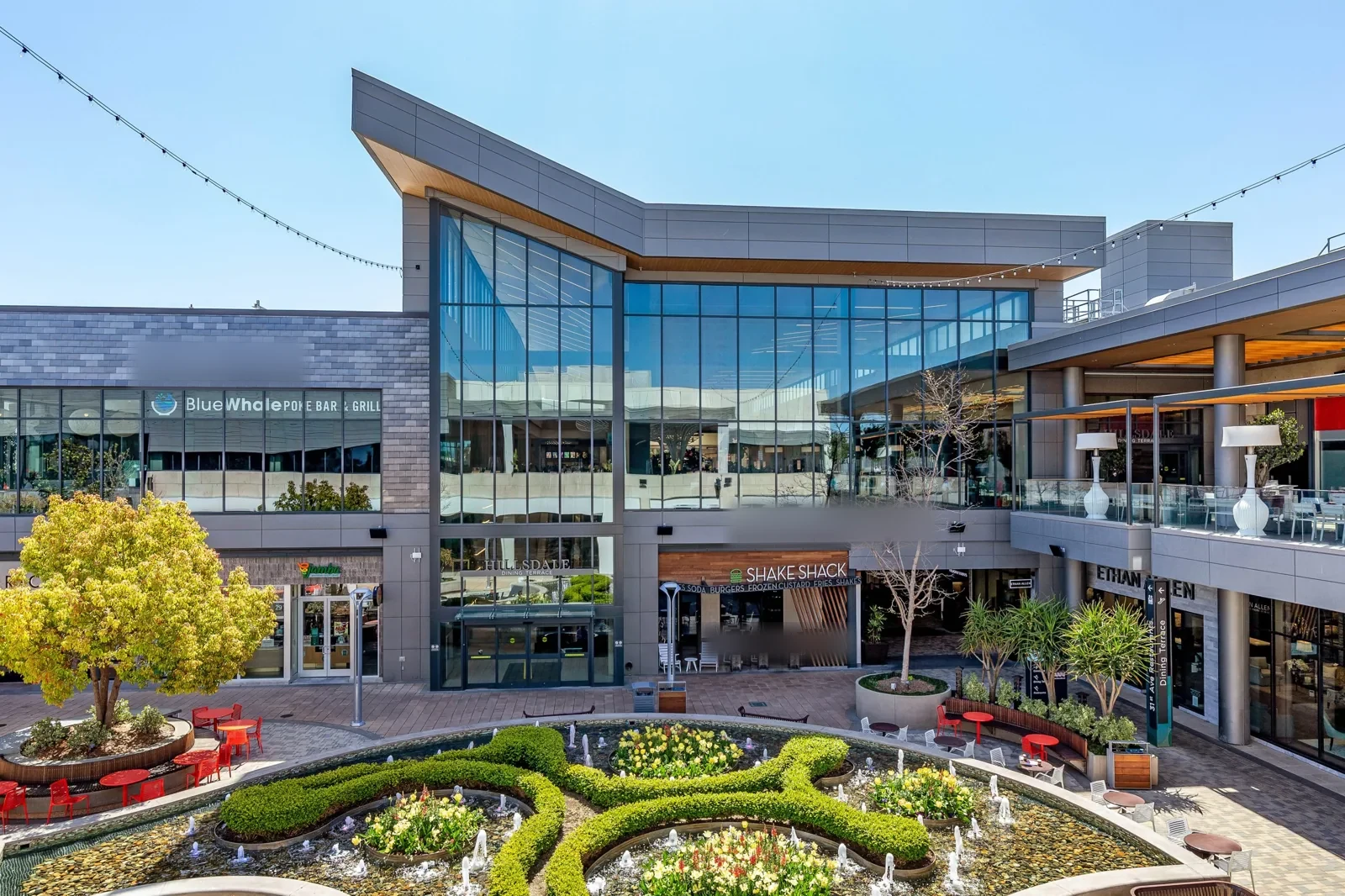
Shopping Center Roofing in Murrieta, CA
See how this work fits the roof, the building and the schedule.
Learn More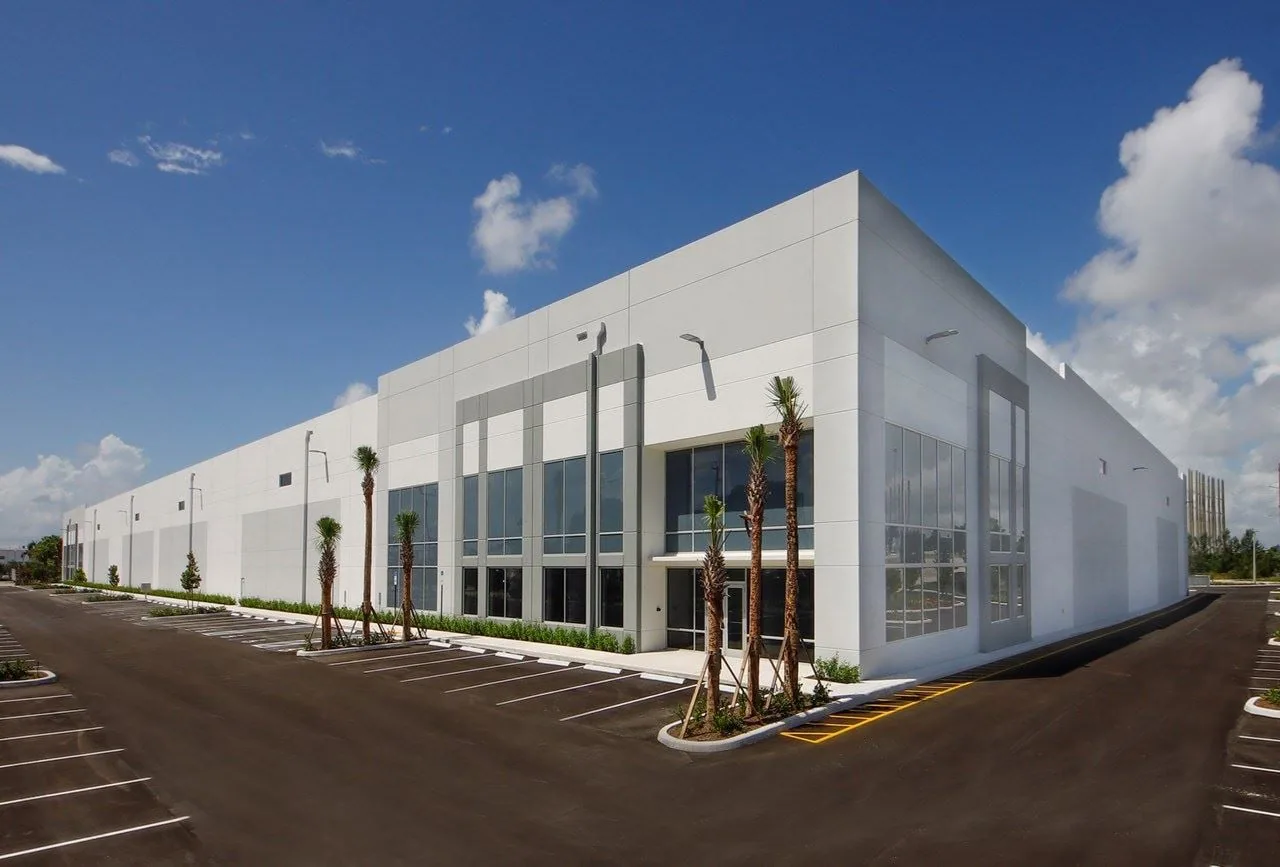
Commercial Warehouse Roofing in Murrieta, CA
Related scope, access notes and questions to ask before work starts.
Learn More
Commercial Roofing in Temecula, CA
Read the full description and the questions owners ask about it.
Learn MoreReview Big-Box Roof Conditions
Arrange an inspection to map drainage, loading access and work sections before choosing a retail roof repair or replacement.